
Last updated November 23, 2026
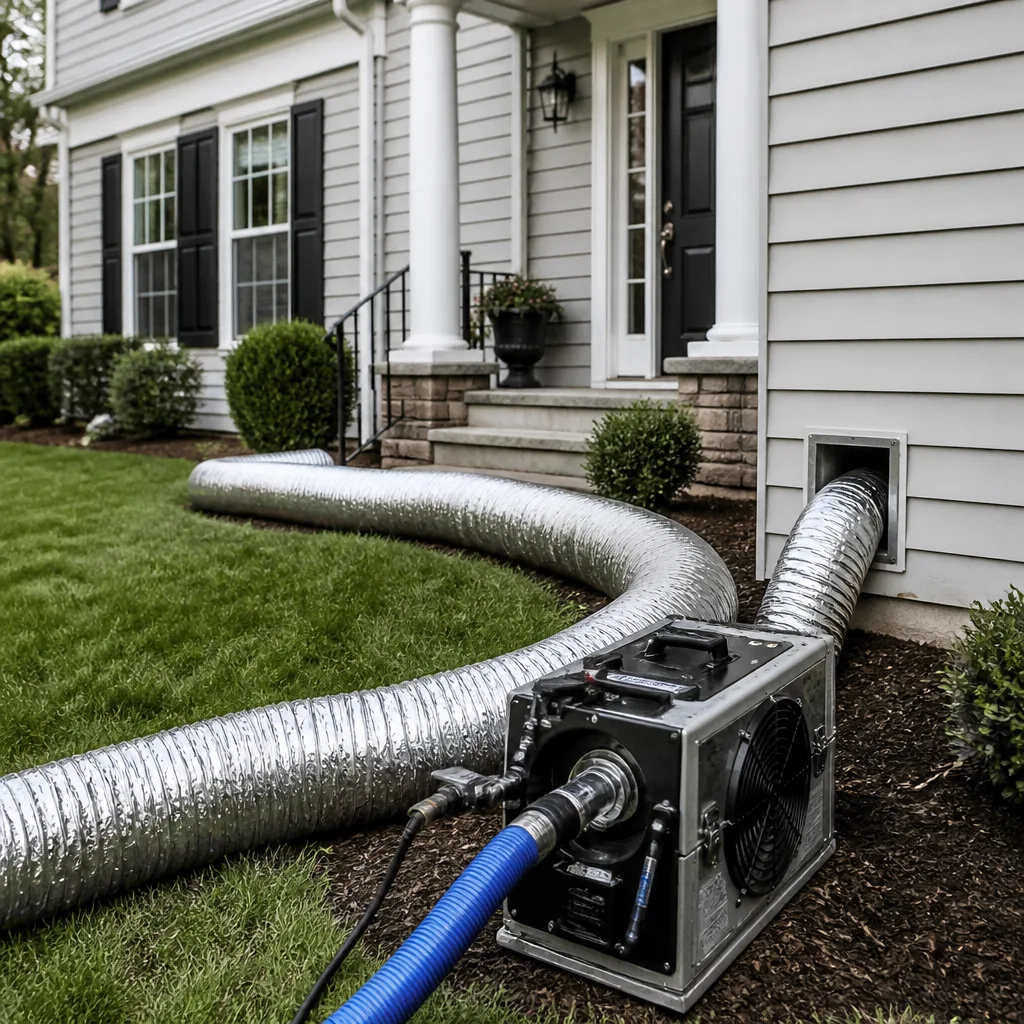 Whole-home duct cleaning
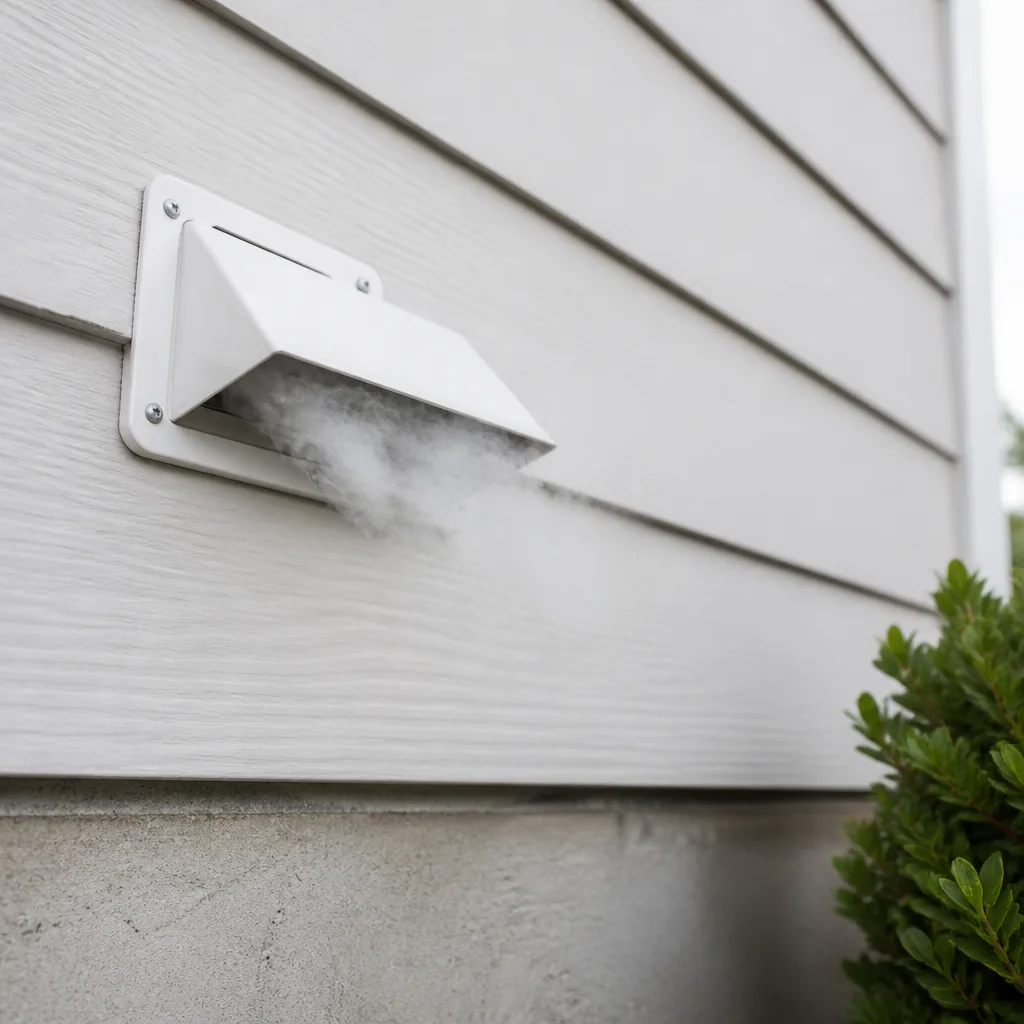 Dryer vent cleaning
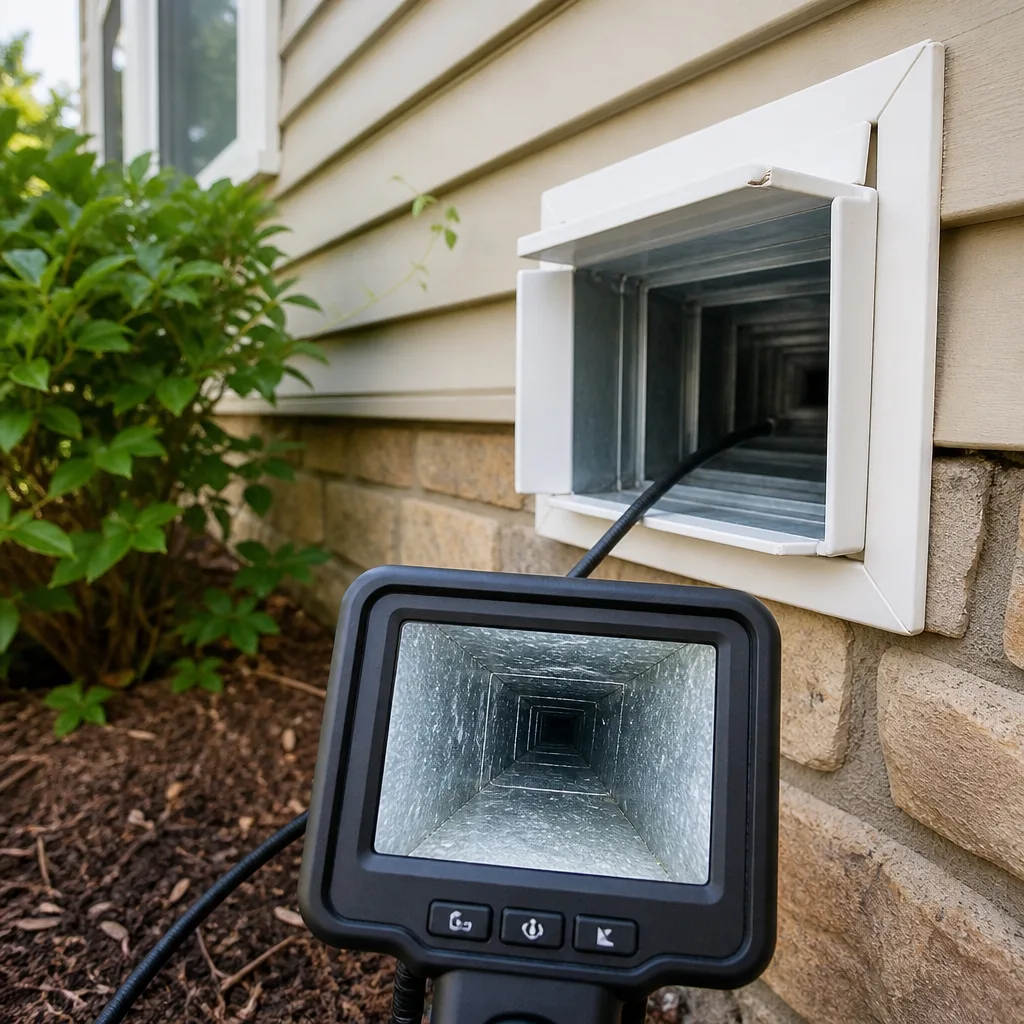 Camera inspection
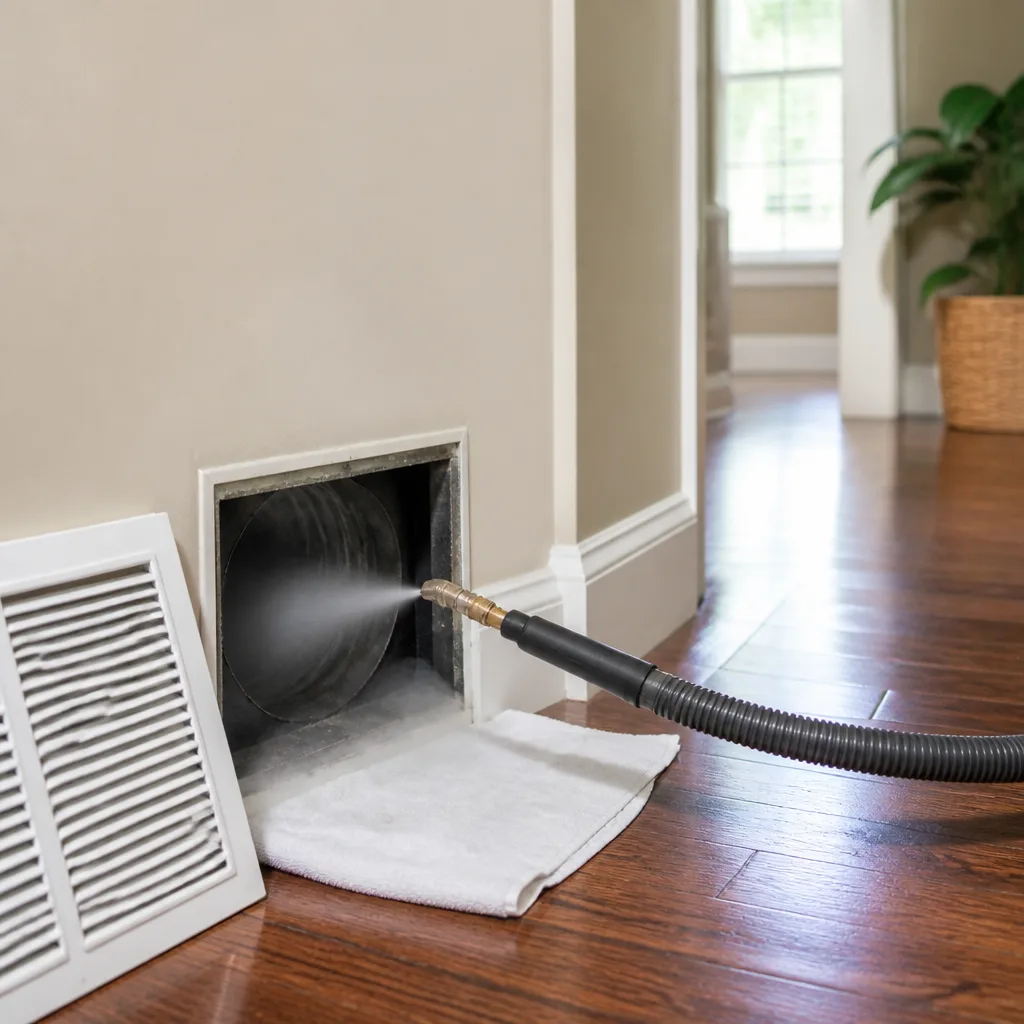 Sanitizing & deodorizing
Whole-system duct and dryer vent check with before-and-after photos - you see exactly what came out of your vents
That "$99 whole-house special" is a bait ad - the real number appears once they are in your hallway, or the "clean" is a shop-vac at the register. We photograph the inside of your ducts before and after instead.
Choosing the Right Air Duct Cleaning Brand: A Buyer’s Guide for East Nashville
When a duct cleaning company lists their equipment brands on their website, most homeowners scroll past it as fine print. That’s backwards. Those brand names are the single most informative thing on the page, because they define the physical limits of what that crew can actually remove from your ductwork. A company can write “thorough cleaning” in a hundred fonts, but a rotary brush system and a repurposed shop vacuum are not the same machine, and no amount of marketing language closes that gap. This guide explains what Rotobrush, Nikro, and Abatement Technologies equipment actually does, how to tell real capability from brochure filler, and what to ask before you book. We’ll also cover why East Nashville homes in particular tend to need careful equipment matching.
Quick Answer
The right air duct cleaning brand in East Nashville is one that uses purpose-built mechanical agitation and HEPA extraction equipment – typically Rotobrush rotary-brush systems and Nikro vacuum units – rather than a modified shop vacuum, and that can verify it owns and operates that equipment with trained crews. Equipment class is the most reliable proxy for what a company can actually accomplish, so evaluate brands on what their machines can remove, not on the adjectives they use. Ask who operates the gear, what condition it’s in, and whether the company also handles repair and sealing once the ducts are clean.
Styles & brands we work with
- Whole-home duct cleaning
- Dryer vent cleaning
- Camera inspection
- Sanitizing & deodorizing
Table of Contents
- Why Equipment Brands Reveal More Than Websites Do
- What Rotobrush Systems Actually Do Inside Your Ducts
- How Nikro HEPA Extraction Contains What Comes Loose
- When a Job Needs Abatement Technologies Equipment
- Why the Machine Is Only Half the Answer
- Questions That Separate Owners From Renters
- What Makes East Nashville Duct Work Different
- Cleaning, Repair, Sealing: Why Scope Matters
Why Equipment Brands Reveal More Than Websites Do
A duct cleaning brand is only as good as the tools it brings through your door. That sounds obvious, but the gap between equipment classes is wider than most homeowners assume. A general-purpose wet/dry vacuum pulls air, but it doesn’t agitate caked dust off duct walls. Rotary-brush systems do both at once – they break debris loose mechanically while a simultaneous vacuum captures it. That single distinction changes what’s left behind.
There’s also a cost signal buried in equipment. Purpose-built duct cleaning systems are a serious capital investment, and companies don’t buy them casually. When a brand advertises Rotobrush alongside Nikro and Abatement Technologies, they’re telling you their business model depends on doing this work properly, not on renting gear for a weekend and improvising.
Here’s what to look for when you’re comparing brands side by side:
- Named equipment classes – actual model families, not “professional equipment”
- Containment gear – negative air machines or HEPA filtration devices for the job site
- Post-clean scope – repair, sealing, and sanitizing, not just debris removal
- Technician training – who operates the equipment and how they’re taught
- Verifiable process – before-and-after documentation of your own ducts
Those five items separate a capable East Nashville air duct cleaning brand from one that’s repackaging a shop vac and a coupon. Keep them in mind for the rest of this guide, because each section explains what one category actually does.
What Rotobrush Systems Actually Do Inside Your Ducts
Rotobrush rotary-brush systems agitate duct walls with a spinning brush while an attached vacuum pulls loosened debris into containment. That combination – mechanical disruption plus simultaneous extraction – is what makes them the industry benchmark for residential duct cleaning. If you only remember one thing about equipment, make it this: agitation is what separates a real clean from a dust shuffle.
Why does agitation matter so much? Because most duct debris doesn’t sit loose in the center of the duct. It clings. Dust, lint, pet hair, and construction residue cake onto walls and seams through a mix of static, moisture, and time. A vacuum alone pulls air through the duct but often skims over that bonded layer. A brush physically scrapes it loose so the vacuum can trap it before it settles back down.
Rotobrush equipment tends to perform best in a few specific situations:
- Flexible round duct – the brush conforms to bends and flexes without tearing liner
- Sheet metal trunk lines – rotary action reaches wall surfaces the vacuum can’t scrape
- Pet-heavy homes – bonded hair and dander need mechanical disruption to lift
- Post-renovation dust – drywall and sawdust residue settles into wall and seam pockets
- Older systems with years of buildup – first-time cleanings need the heavier agitation
If a company tells you they use “professional-grade equipment” but can’t name the system, that’s your signal to ask follow-up questions. Rotobrush isn’t something a contractor forgets to mention – it’s central to the work. Ask what brush heads they use for the duct type in your East Nashville home, and how the vacuum stays connected to the brush head during agitation. Any capable operator will answer without hesitation.
How Nikro HEPA Extraction Contains What Comes Loose
Nikro systems are professional HEPA-rated vacuum units designed for contained debris extraction during duct cleaning. Where the rotary brush loosens contamination, Nikro vacuum equipment captures it under high-efficiency filtration so it doesn’t redistribute into your living space. That’s the second half of the equation – loosening is useless if the debris ends up on your furniture.
The clearest way to think about Nikro-class equipment is as containment. Duct cleaning generates a large volume of airborne particulate in a short window, and if the job isn’t set up to trap it, that material migrates. HEPA-rated extraction keeps the capture point at the source rather than the room. When we talk about choosing a duct cleaning brand in East Nashville, this is where the difference shows up as less dust settling on shelves after the crew leaves.
Nikro equipment matters most in jobs with higher contamination loads:
- Long-neglected duct systems – heavy debris volumes need sustained high-CFM containment
- Post-renovation cleanups – fine drywall dust is the hardest particulate to trap
- Homes with allergy or asthma concerns – reducing airborne redistribution is the whole point
- Properties returning from a mold or remediation event – containment matters more than speed
- Light-commercial spaces – larger systems generate larger debris volume per hour
A shop vacuum can’t match this class of equipment for one big reason: filtration. Standard wet/dry vacuums exhaust fine particulate back into the room. HEPA-rated units don’t. That gap alone justifies asking which vacuum the crew brings before you book. Ask directly: “What filtration class is your vacuum, and how do you contain debris during agitation?” A professional answers with a brand and a filtration spec.
When a Job Needs Abatement Technologies Equipment
Abatement Technologies air filtration and negative-air devices are built for containment during restoration and remediation work – including duct cleaning where airborne contamination needs to be trapped as it’s disturbed. Negative air pressure pulls the work area’s air through filtration and exhausts it clean, so contaminants don’t drift into the rest of the home. When the job’s contamination load is heavier than average, this is the class of equipment that keeps the living space protected while cleaning is underway.
Not every duct cleaning call for an East Nashville home requires Abatement-class containment. If the ducts are typical residential debris and the home has standard air quality concerns, Rotobrush and Nikro do the bulk of the work. But several situations push a job into needing that extra layer:
- Microbial growth discovered during cleaning – containment keeps spores from dispersing
- Significant renovation dust – especially drywall, tile, and painter’s residue
- Homes with mold-adjacent air quality complaints – if the problem is airborne, contain it
- Heavy pet accumulation over long intervals – larger dislodged volumes need extra capture
- Light-commercial properties – larger systems and shared occupancy raise the stakes
If a company advertises Abatement equipment but can’t tell you when they use it, that’s worth questioning. The right answer connects the equipment to a contamination threshold: if we find X, we set up Y. A vague answer is a warning sign. A brand that explains the trigger tells you they understand what the machinery does, not just what it looks like on a brochure.
Why the Machine Is Only Half the Answer
Equipment class sets a ceiling on what’s possible, but crew technique determines how close you get to it. A Rotobrush in untrained hands is still a rotary brush, but the brush heads may be wrong for the duct type, the agitation may be rushed, and the vacuum may be under-utilized. The same machine performs very differently across operators.
Technique matters most in two categories. First, duct access – knowing where to cut, where to plug, and where to run the brush so coverage is complete without damaging liner. Second, job sequencing – the order of room-by-room cleaning so debris doesn’t get re-deposited in already-cleaned runs. Both are decisions the technician makes on the spot, not features of the machine.
Our technicians have up to 13 years of experience, and that’s part of why we’re specific about equipment. Trained hands get more out of a Rotobrush than inexperienced ones ever will. Here’s how to evaluate technique before booking:
- Ask about the pre-job inspection. A real inspection identifies duct types, contamination levels, and access points before work starts.
- Ask about brush head selection. There should be a specific answer for round flex versus sheet metal trunk lines.
- Ask about containment setup. Negative air or HEPA filtration connected before agitation – not after.
- Ask about sequencing. Room-by-room order prevents re-contamination of cleaned runs.
- Ask about post-clean verification. Before-and-after photos of your own ducts, not stock photos.
Any company claiming a specific equipment brand should welcome these questions. If the answers get fuzzy or defensive, the equipment list on their website may be aspirational.
Questions That Separate Owners From Renters
Some companies list Rotobrush, Nikro, or Abatement Technologies because they own and operate the equipment. Others list them because they know the names – and rent or borrow the gear when a job calls for it. That distinction matters, because there’s no way to verify brand quality if the company doesn’t control the tools or the operators.
Ask these questions on the phone before you book:
- “Can you show me the specific equipment you’ll use on my job?” A real operator describes their system, brush heads, and vacuum class without hesitation.
- “Who operates the equipment, and what’s their training?” The answer should be a trained technician, not a helper with a shop vac.
- “Are you running containment or HEPA filtration during the job?” If the answer is “we don’t need to,” that’s a red flag on any heavier contamination.
- “What happens if you find contamination beyond standard debris?” Professional brands have a protocol that adds containment, not a shrug.
- “Do you handle duct repair and sealing?” Cleaning without repair leaves gaps open for re-contamination.
- “Will I get before-and-after photos of my own ducts?” Documentation of your system, not sample photos from another job.
- “Is the price per system or per vent?” Whole-system pricing protects you from a low teaser that grows once the crew is inside.
These questions are the fastest way to sort an East Nashville duct cleaning brand with real capability from one that’s repackaging a marketing department’s worth of brand names. Any operator worth hiring treats them as a fair conversation, not an insult.
What Makes East Nashville Duct Work Different
East Nashville homes range from century-old bungalows near Lockeland Springs and Edgefield to newer infill construction in Inglewood and along the Eastland corridor. That mix creates a genuine spread in duct conditions – and the equipment that’s right for one home is often mismatched to the next.
Older properties often have duct systems that were retrofitted after the house was built, with short runs through walls and crawl spaces where debris accumulates in ways a builder wouldn’t design. Newer homes and recent renovations, on the other hand, tend to carry fine drywall dust and construction residue that settles deep into seams and needs mechanical agitation to lift. We’ve seen both patterns repeatedly in East Nashville, and the difference shows up in how crews should approach the job.
Middle Tennessee’s humid summers and pollen season add another layer. Duct systems that pull in outside air during heavy pollen runs accumulate fine particulate that a light vacuum won’t fully remove. Systems that have run through a humid summer without maintenance often show evidence of microbial growth that changes the containment requirements.
That’s why a single equipment class rarely covers every East Nashville home. A bungalow near Five Points and a 2019 build in Inglewood may both need air duct cleaning, but the brush configuration, containment class, and post-clean repairs diverge meaningfully. A brand that only offers one equipment tier is really saying “our approach doesn’t adjust.”
Cleaning, Repair, Sealing: Why Scope Matters
Even excellent duct cleaning equipment has a limitation: if the duct system has leaks, gaps, or disconnected runs, the clean won’t hold. Debris re-enters through the same openings, and the energy loss continues. That’s why a capable East Nashville brand extends beyond HVAC cleaning into duct repair and sealing as part of the same service relationship.
Duct repair and sealing close the loop between cleaning and air quality. When a crew finds a gap, a disconnected boot, or a seam that’s opened up, they can address it while the ducts are still accessible. That’s a genuine differentiator in a market where many standalone duct cleaners stop at debris removal. The scope difference often shows up in how long the clean actually lasts.
Air quality and sanitizing services are the third layer. Once the ducts are clean and sealed, treatment products – we work with Honeywell and Aprilaire compatible components – address microbial growth and odors at the source. That’s the difference between “the ducts were cleaned” and “the air quality problem is handled.” Bridging cleaning and sanitizing in one service relationship keeps the diagnosis and the treatment aligned.
Dryer vent cleaning rounds out the safety side. Dryer vents collect lint with the same mechanical properties as duct debris, but the consequences of a blocked vent run to fire risk rather than air comfort. We treat it as a standalone service because it deserves its own appointment, not an upsell at the end of a duct job. When you’re evaluating brands, look for one that can address the full ecosystem: cleaning, sealing, sanitizing, and dryer vent cleaning as its own scheduled service.
Common Mistakes to Avoid
- Choosing on price alone. The cheapest quote in East Nashville is often the one using a shop vac and a helper. Equipment class is what determines what actually gets out of the ducts.
- Not asking what “professional equipment” means. “Professional” is not a brand or a class. Ask for specific equipment names – Rotobrush, Nikro, Abatement – and what each one does on the job.
- Assuming per-vent pricing is normal. Per-vent pricing tilts toward counting vents rather than cleaning systems. Whole-system pricing is more honest about what the work involves.
- Skipping repair and sealing. A duct clean without attention to leaks re-contaminates through the same openings. Ask upfront whether repair is in scope.
- Acquiring no before-and-after documentation. Photos of your actual ducts are the strongest evidence of the work. Ask before you book, not after.
- Overlooking the dryer vent. Many East Nashville homes have dryer vents that have run years without service. It’s a separate fire-risk service and belongs in the conversation even when duct cleaning is the headliner.
- Booking the cheapest quote on the day of the job. Take a day to compare equipment, training, and scope across two or three brands. The right answer isn’t urgent, even when the ducts look rough.
See the difference
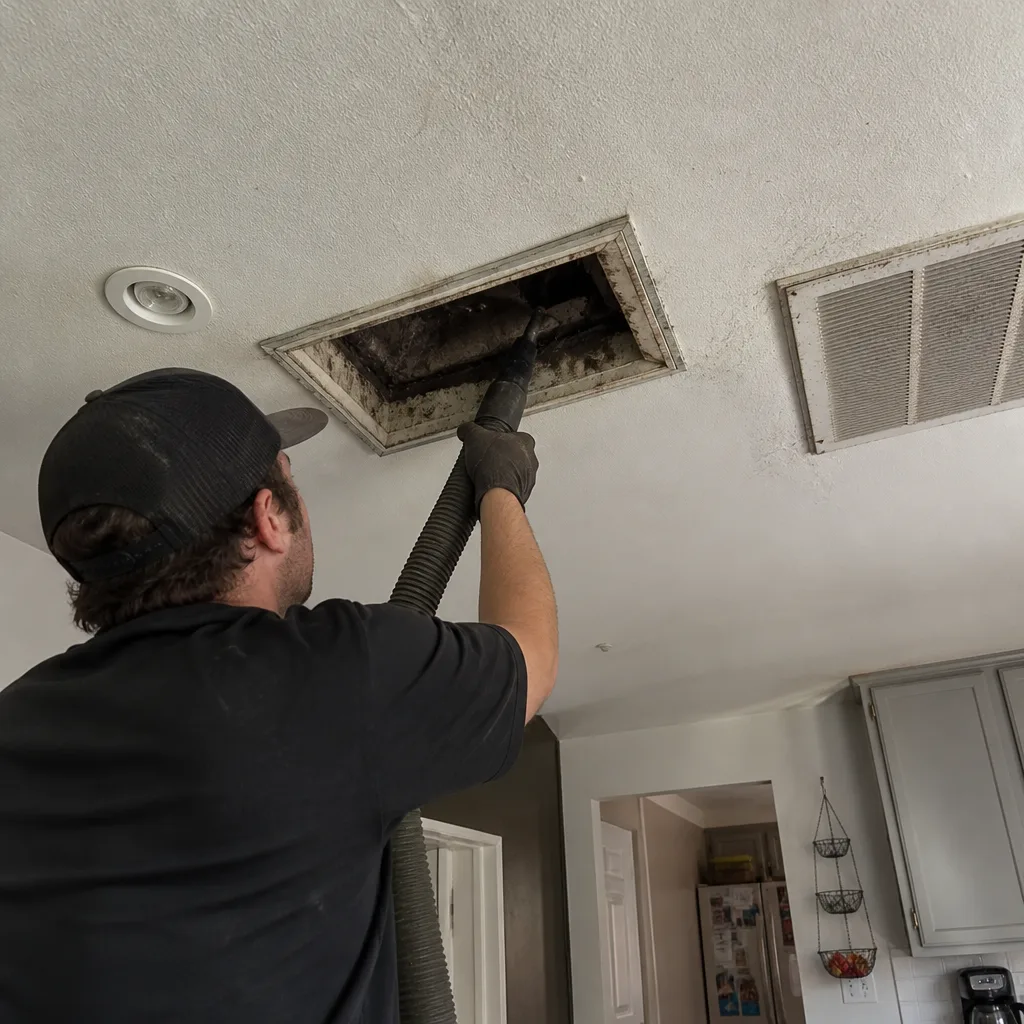 Before
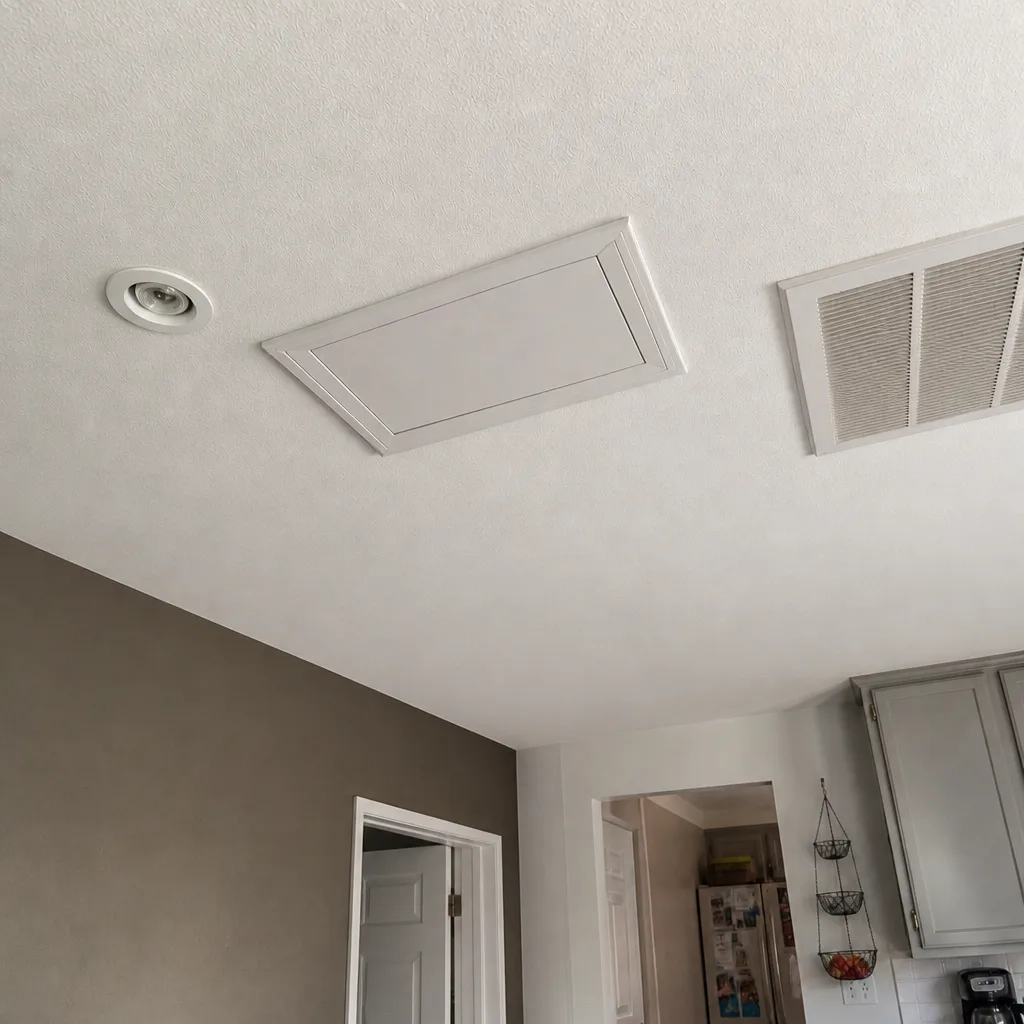 After
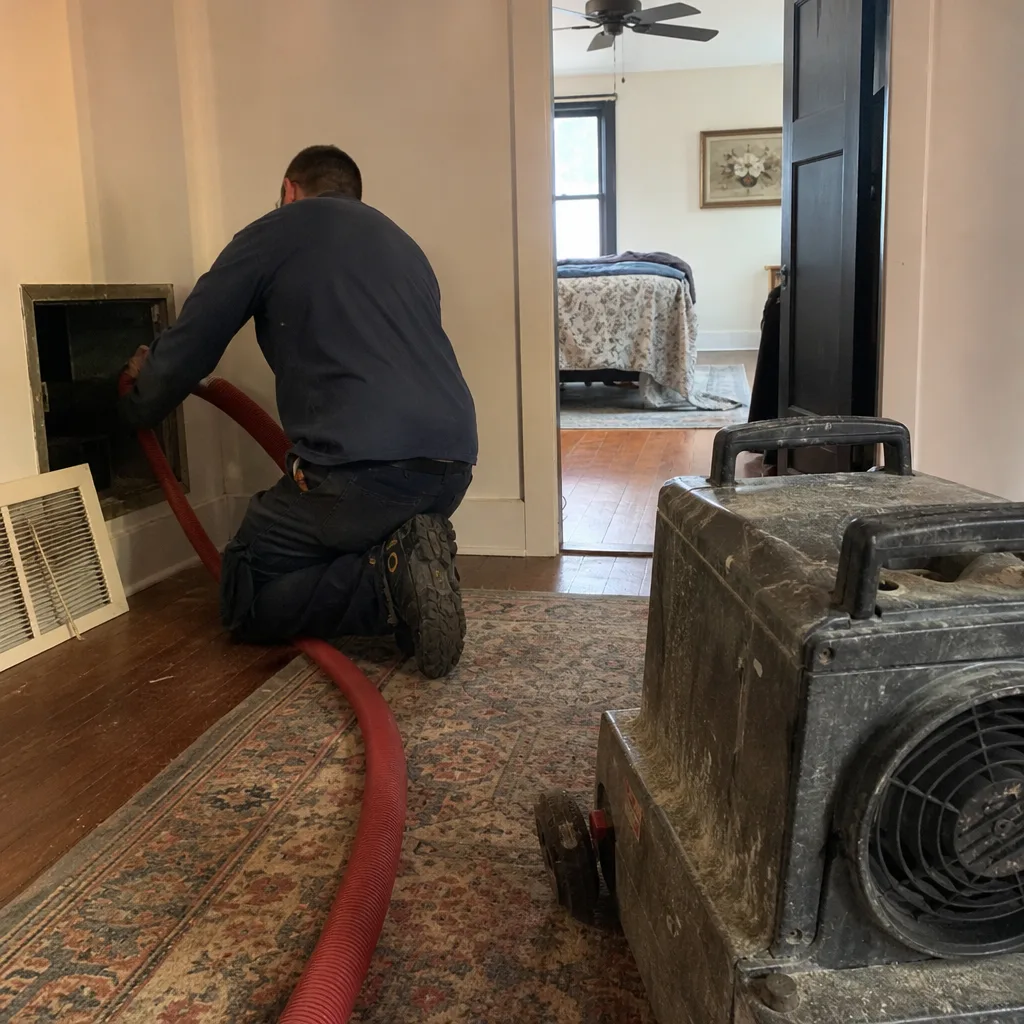 Before
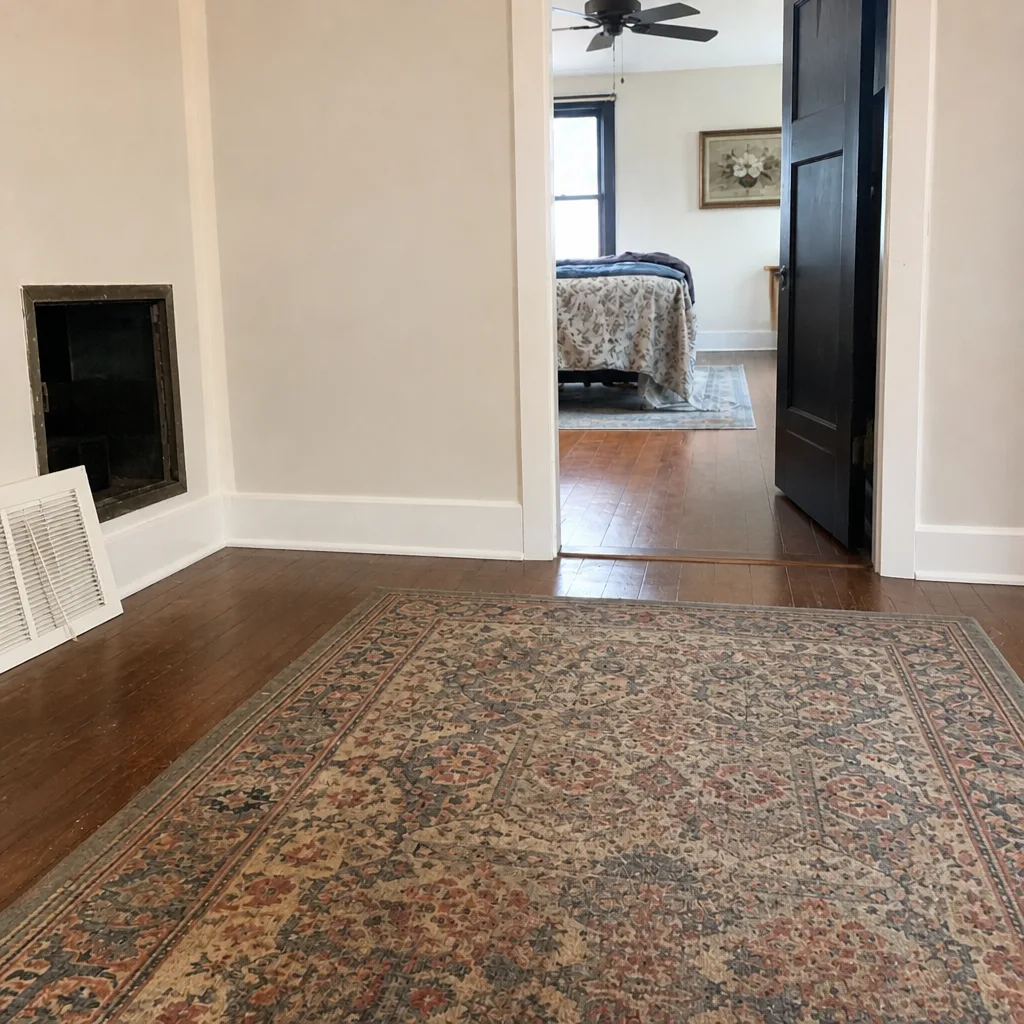 After
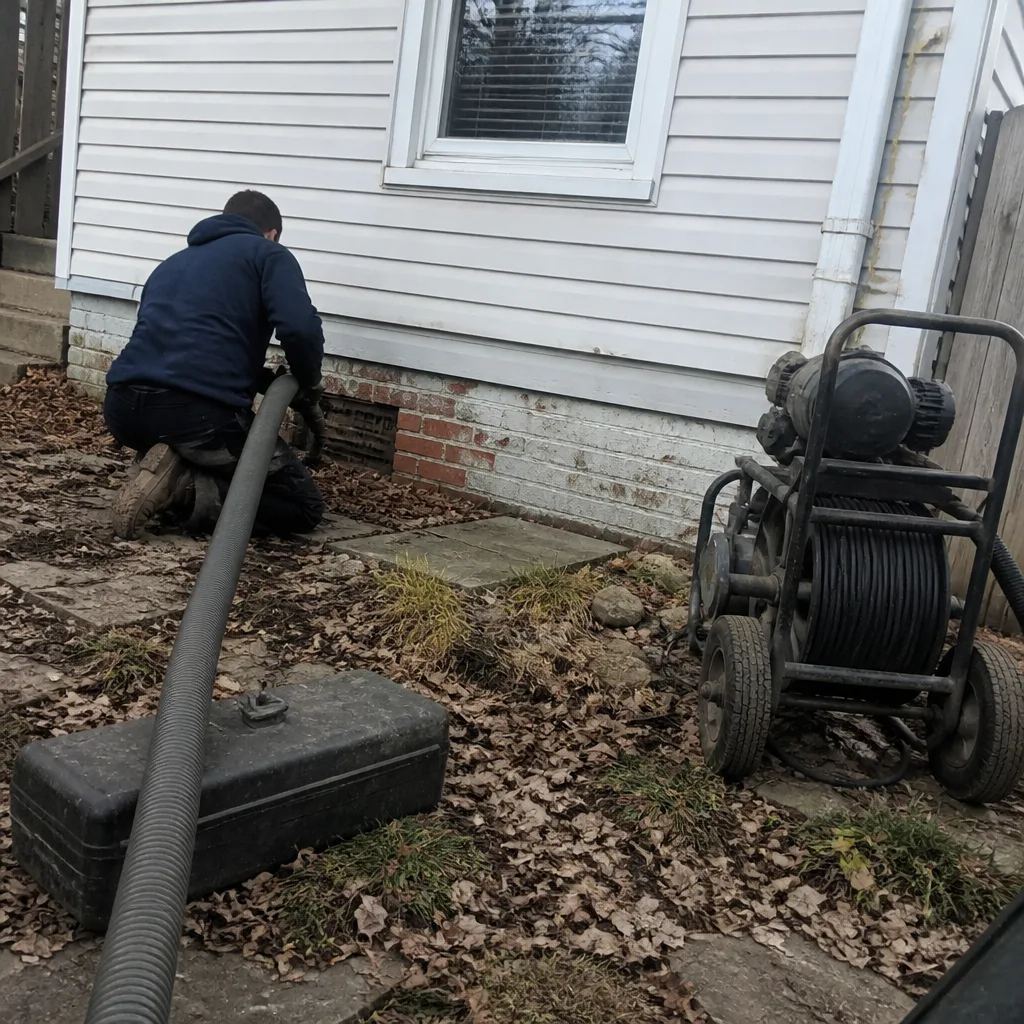 Before
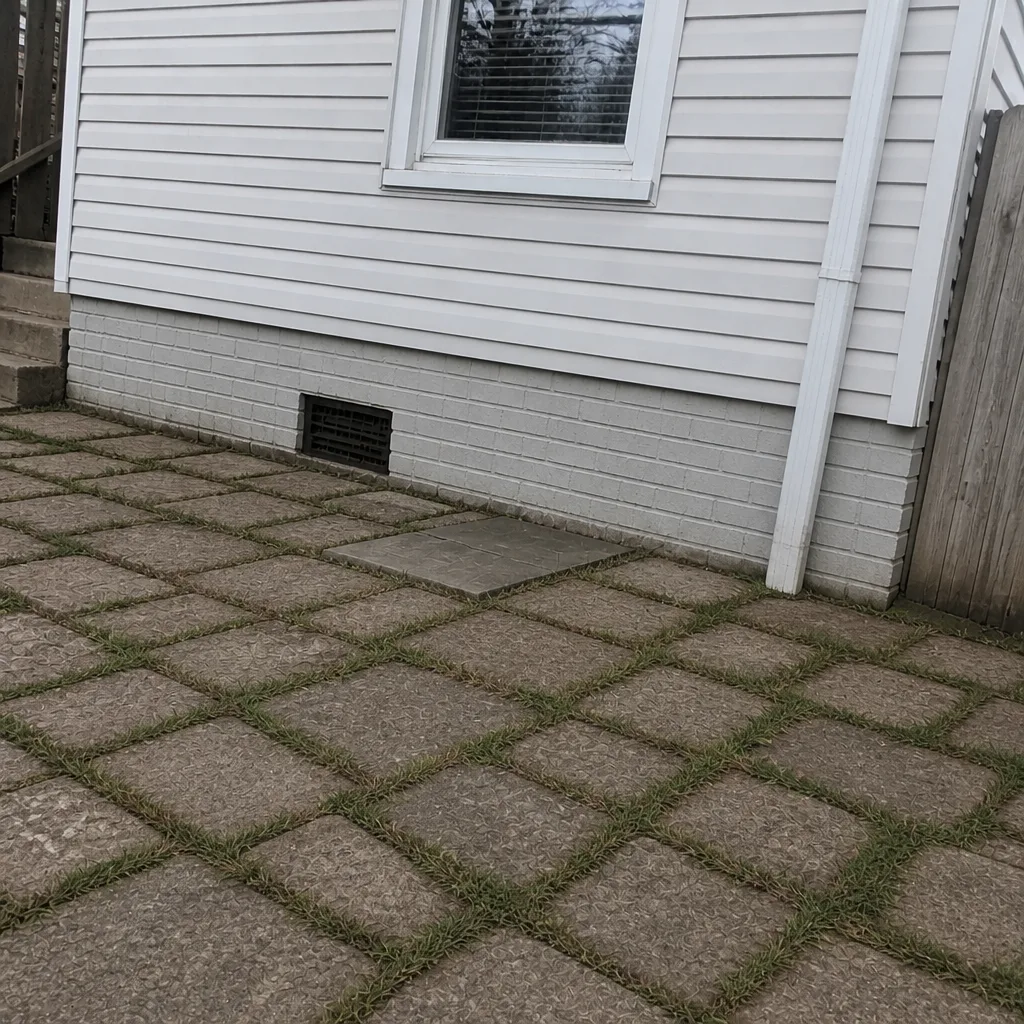 After
When to Call a Professional
You don’t need to schedule duct cleaning on a set interval – it depends on the system, the occupants, and the home’s history. But several situations genuinely call for professional intervention. If you’ve recently renovated and drywall dust is settling on surfaces, if a household member has developed new allergy or asthma symptoms that don’t track to other changes, or if you’ve moved into a home where the ducts have never been professionally serviced, that’s a real trigger. The same applies if you’ve discovered visible microbial growth near supply registers or if your dryer vent hasn’t been cleaned since you’ve owned the home.
Air Duct Cleaning East Nashville offers free estimates in East Nashville – call (877) 417-5183. We’ll walk through the equipment, explain what your ducts look like, and give you a written estimate per system before anything starts. We answer 24/7. Fast dispatch from 7am to 7pm, Sunday through Friday.
Frequently Asked Questions
Look for Rotobrush rotary-brush systems, Nikro HEPA-rated vacuum equipment, and Abatement Technologies containment devices. Rotobrush provides the mechanical agitation, Nikro provides the contained extraction, and Abatement adds negative-air filtration for jobs with higher contamination loads. Ask the company to name the specific equipment they’ll use on your home, not just the general category.
Pricing should be a written per-system estimate, not per-vent teaser pricing. The number depends on duct type, contamination level, accessibility, and whether repair or sanitizing is included. Get the written estimate before work begins and confirm it’s a single flat price for the whole system. Call (877) 417-5183 for an exact quote – estimates are free.
Cheap quotes usually reflect equipment class and scope. A shop-vac approach to “cleaning” ducts can be priced far lower than a Rotobrush-plus-Nikro setup, but it doesn’t agitate bonded debris off duct walls or contain what it loosens. A lower quote often also excludes repair, sealing, and sanitizing, which are part of the real work. Ask what equipment and scope a low quote covers before comparing numbers.
Ask for before-and-after photos of your own duct system, and check whether the technician opened access points before starting. A real clean produces visibly different before-and-after imagery of your ducts, not stock photos from other jobs. Ask for the documentation upfront, before you book.
There’s no fixed interval – it depends on the home. Pet-heavy households, homes with heavy pollen loads, and homes coming off a renovation often benefit sooner than typical. Homes with no pets, no recent construction, and a maintained HVAC system can go longer. The best answer is to have the system inspected first and let the inspection drive the schedule.
Yes – duct repair and sealing are part of the same service scope as cleaning, so leaks and disconnected runs can be addressed while the system is still accessible. Cleaning a leaking duct system without sealing the gaps just re-contaminates the clean. If you’re comparing brands in East Nashville, ask specifically whether repair is in scope. Call (877) 417-5183 to schedule an estimate.
Yes – dryer vent cleaning is a standalone service that reduces fire risk from lint accumulation. It’s a separate appointment from duct cleaning because the two jobs use different equipment and access points. Many East Nashville homes have dryer vents that have gone years without service, and that’s worth attention even when ductwork is the bigger concern.
The Bottom Line
When you’re choosing an air duct cleaning brand in East Nashville, the equipment list is the most reliable clue to what a company can actually do. Rotobrush agitation, Nikro HEPA containment, and Abatement Technologies filtration each answer a specific problem – loosening bonded debris, trapping what comes loose, containing the heavier jobs – and no amount of brochure language substitutes for that. Match the equipment class to the job, verify the crew’s technique, and confirm scope includes repair and sealing. The brand that walks you through all of it is the one worth booking. For the broader service picture, start with air duct cleaning East Nashville and see what’s inside your ducts – and what we remove.
Call (877) 417-5183 for a free estimate. One flat price per system agreed before work starts, before-and-after photos of your own ducts, and a written estimate that sets the final price. We answer 24/7. Fast dispatch from 7am to 7pm, Sunday through Friday.
Written by the team at Air Duct Cleaning East Nashville.