
Last updated November 23, 2026
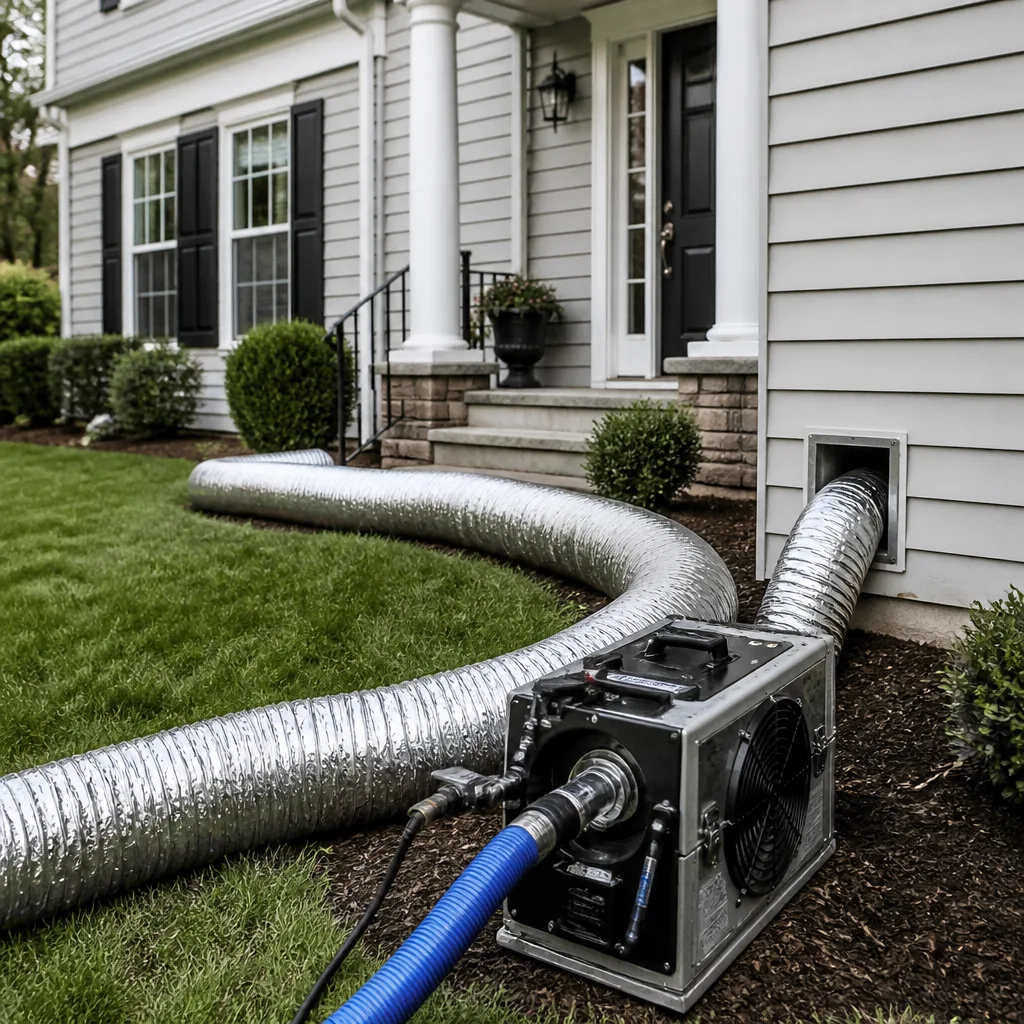 Whole-home duct cleaning
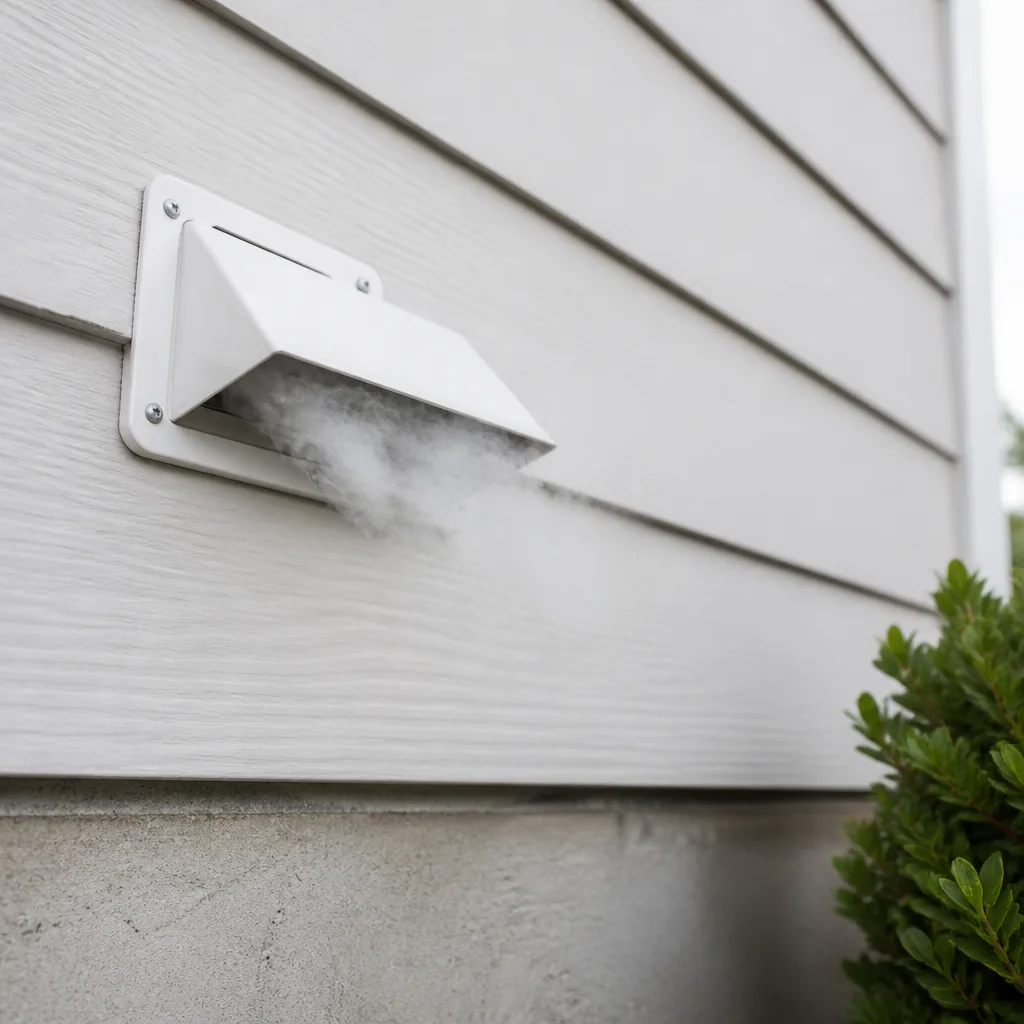 Dryer vent cleaning
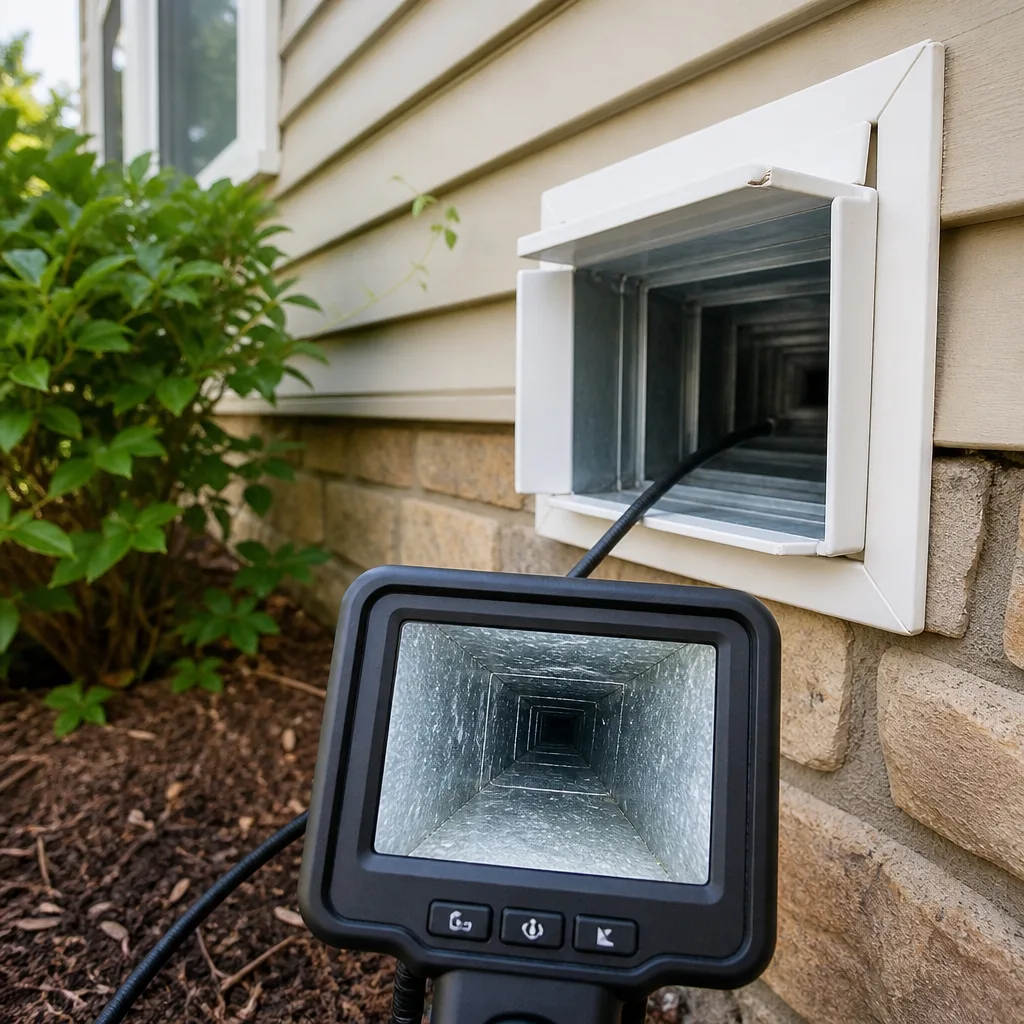 Camera inspection
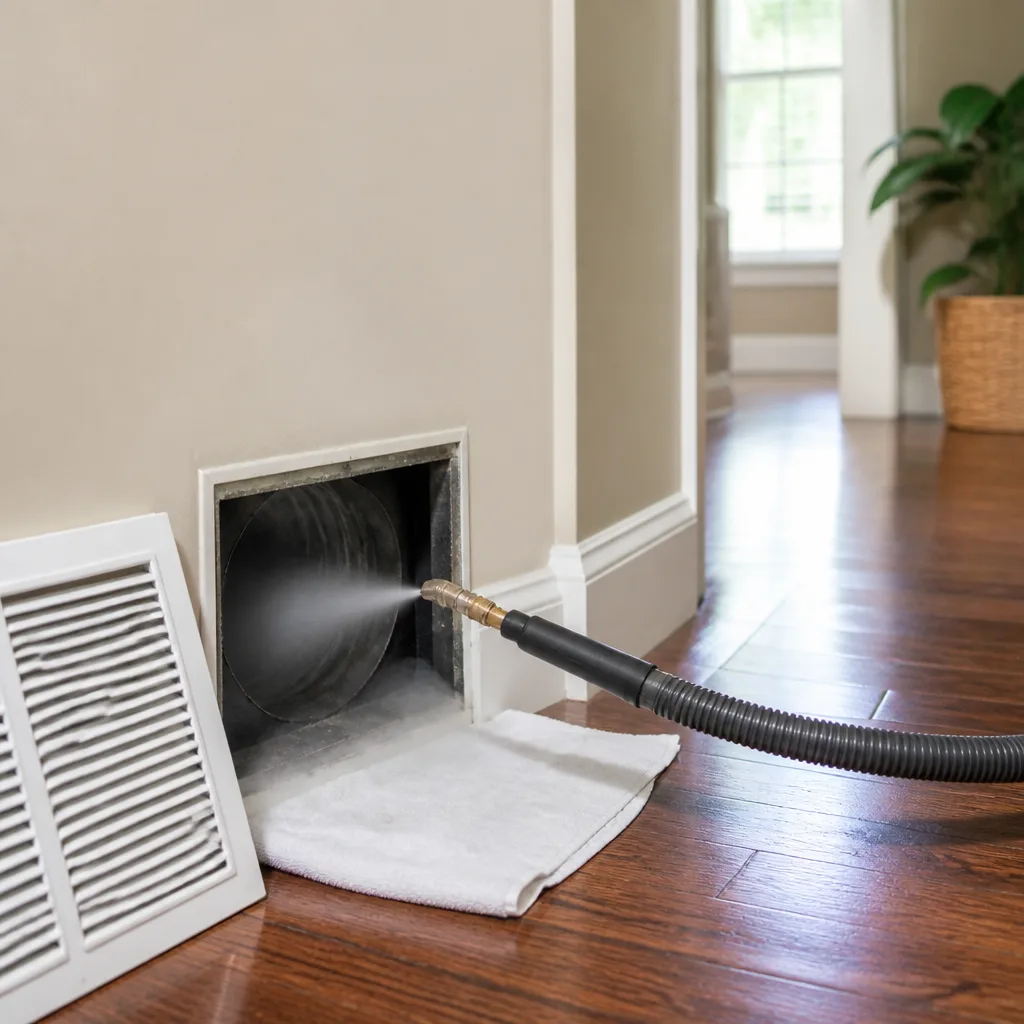 Sanitizing & deodorizing
Whole-system duct and dryer vent check with before-and-after photos - you see exactly what came out of your vents
That "$99 whole-house special" is a bait ad - the real number appears once they are in your hallway, or the "clean" is a shop-vac at the register. We photograph the inside of your ducts before and after instead.
Air Duct Cleaning Warning Signs: An East Nashville Homeowner’s Reference Guide
Visible dust on a supply register can mean your ducts are overdue for cleaning. Or it can mean your filter is undersized, your system is oversized, or your return is pulling from the wrong spot in the house. The sign is real. The interpretation is where most homeowners get talked into the wrong service. East Nashville has a particular mix of housing that makes this harder than usual: 1920s bungalows a few blocks from gut-renovated four-squares, both sharing the same humid summers and the same pollen-heavy springs. This guide walks through the signs you can actually see, smell, or measure, explains what each one points to, and shows you how to tell a duct problem apart from an airflow problem before you spend a dollar on cleaning.
Quick Answer
A dirty duct system usually shows itself through three or four consistent signs at once: visible dust or debris at the registers, a musty smell that shows up when the system first runs, dark streaking around register grilles, and a visible dust line on the blower or cabinet after a renovation. One sign alone rarely confirms it. Dust on a register with no other symptoms more often points to a filter or airflow issue, while a musty odor that gets stronger when the AC starts is a stronger indicator of microbial growth inside the ductwork or the evaporator coil. A professional inspection confirms which one you have.
Styles & brands we work with
- Whole-home duct cleaning
- Dryer vent cleaning
- Camera inspection
- Sanitizing & deodorizing
Table of Contents
- Dusty Registers: Dirty Ducts or an Airflow Problem?
- What Your Vents Smell Like and What It Means
- Reading Register Discoloration Patterns
- Post-Renovation Signs in East Nashville Homes
- Older East Nashville Homes: Flex Duct and Duct Board Problems
- A Step-by-Step Diagnostic You Can Do Yourself
- Allergy and Asthma Triggers Tied to Duct Conditions
- When the Warning Sign Doesn’t Mean Cleaning
Dusty Registers: Dirty Ducts or an Airflow Problem?
Dust settled on and around a supply register is the most commonly cited warning sign, and the least diagnostic on its own. A register accumulates dust the way any horizontal surface in a house does, filter or no filter. What separates a duct problem from an airflow problem is where the dust is coming from and when it starts appearing.
Signs that point to dirty ducts
- Dust reappears at the same registers within days of wiping them down, and it’s dark gray or black rather than the pale lint you find on a ceiling fan.
- Airflow from the register feels weaker than it used to, and the register’s own grille looks cleaner than the ceiling around it.
- Dust collects on the register face but not on furniture below it in any consistent pattern.
Signs that point to an airflow or filtration problem
- A visible layer of fine dust on top of the return grille, especially one that reappears fast right after a filter change.
- The filter itself loads up in under a month, which usually means a filter that’s too restrictive for the blower or an oversized system pulling more air than the return can handle.
- A single room that’s dusty while the rest of the house is clean, which usually points to a return location or duct sizing issue in that branch rather than the whole system.
The practical test: wipe a register, note the date, and check it again a week later. A thin, even film is normal. A dark, dense accumulation in that window, on multiple registers, is worth an inspection. If you want the short version of what actually resolves a true duct problem, our page on air duct cleaning covers the process and the equipment involved.
What Your Vents Smell Like and What It Means
Odor is the sign homeowners describe least precisely and that points to the biggest differences in intervention. A “dusty” smell and a “musty” smell sound similar in conversation. They come from different places.
Dusty odor
A dry, dusty smell that shows up in the first minute or so of the system running, then fades, usually means settled dust on the heat exchanger, the blower wheel, or the return duct is getting heated or pushed along at startup. It’s the smell of accumulated particulate, not active growth. Cleaning typically addresses it, and so does replacing a clogged filter. If it returns within a few weeks, suspect a dirty blower wheel, which is a component many basic cleans skip.
Musty odor
A musty smell that’s stronger when the air conditioning first kicks on, or that lingers for several minutes, points to biological growth somewhere in the air path. The most common location is the evaporator coil and its drain pan, not the ducts themselves. Coil and pan moisture, combined with East Nashville’s humid summers, creates the conditions where growth establishes. Cleaning the ducts without cleaning the coil removes the smell’s source only if the source is in the ductwork, which is why an inspection before cleaning matters.
Chemical or solvent odor
A sharp, chemical smell after a renovation often means volatile compounds from paint, sealant, or adhesive have been drawn into the return and distributed. It usually clears with ventilation and time. If it persists, it’s a reason to inspect the ductwork rather than clean it hopefully.
Off-odor that doesn’t match the season
A stale smell that’s present year-round, regardless of heat or AC, most often comes from the return side – either a return that pulls from a crawlspace or an area near a bathroom – or from material deterioration inside a duct run. The HVAC cleaning page covers the coil-and-cabinet side of this, which is where a persistent odor is usually resolved.
Reading Register Discoloration Patterns
Color on a register tells you more than dust alone. Different patterns point to different contamination types and different sources, and a homeowner who knows what they’re looking at can describe the problem accurately when calling for an estimate.
Gray streaking
Gray or light dust-colored streaks radiating out from the register louvers usually indicate fine particulate moving through with the airstream. It’s often the highest-volume sign of a duct system carrying dry construction or ambient dust. Common after a renovation, and common in homes with pets or heavy fabric use.
Black smudging
Dark, almost oily-looking smudges around the register frame, or a black ring where the register meets the wall or ceiling, often point to soot tracking, carbon particulate, or long-accumulated filter bypass. Some of this is a sign of air leaking around the register boot rather than through it, which is a sealing issue more than a cleaning issue. Duct Repair & Sealing addresses this directly, because a register that leaks is a register that keeps streaking no matter how clean the duct behind it is.
Yellow or brown staining
Yellowish staining on a register or the wall directly above it usually indicates moisture. It could be condensation from a cold supply duct running through a humid space, or a nearby roof or plumbing leak. This is not a duct cleaning sign. It’s a reason to find the water source before doing anything else.
Green or white spots
Any visible growth on a register or nearby drywall suggests the humidity around that register is high enough to support it. It’s worth checking whether the register is undersized for the room, whether the door to that room stays closed, and whether the duct serving it runs through an unconditioned attic or crawlspace without insulation. Those are the conditions that create the pattern.
Post-Renovation Signs in East Nashville Homes
An East Nashville renovation and a duct contamination problem often arrive together. Construction dust is finer and moves further through the house than everyday household dust, and a return duct acts as a vacuum for the entire renovation zone if it’s not covered. The trick is telling whether debris reached the ductwork itself or only contaminated the HVAC cabinet and coil.
How to tell them apart
- Check the filter slot. A filter housing with visible drywall dust, plaster, or wood dust on the downstream side of the filter has already passed material into the system.
- Inspect the blower compartment. If the blower wheel and cabinet interior show a heavy dust coat but the registers in adjacent rooms are clean, the contamination is mostly at the cabinet.
- Wipe a distant register. A register at the end of the longest duct run in the house, wiped clean at the end of renovation, is a good indicator. If it accumulates in a week, debris moved through the system.
- Check the returns first. Returns are the most common entry point for renovation dust because they sit low and pull from the floor zone where debris collects.
- Look at the return duct interior if accessible. A flashlight into an accessible return drop will show whether debris settled inside the duct or just at the grille.
The distinction matters because cleaning a contaminated cabinet without cleaning the ducts leaves the problem in place, and cleaning the ducts without addressing the cabinet leaves the coil and blower to recontaminate the whole system. A thorough service covers both. During our work in East Nashville homes, we run Abatement Technologies filtration equipment to hold airborne particulate down while the system is opened, so the renovation dust doesn’t redistribute through living space as it’s removed.
Older East Nashville Homes: Flex Duct and Duct Board Problems
Housing stock matters here. Much of East Nashville was built before central air conditioning existed, and many homes have had ducts retrofitted through attics, crawlspaces, closets, and wall cavities that were never designed for them. That retrofit history leaves specific failure modes that show up as warning signs.
Flex duct collapse
Flex duct is corrugated and flexible but has a limited bend radius. In older homes, retrofits sometimes route it around obstructions in ways that pinch it. A pinched or crushed flex duct shows up as a register with noticeably weaker airflow than its neighbors, and sometimes as a duct that looks flattened where it’s accessible in an attic. Wiping the register and checking airflow is a basic test. If one register is weak while the rest are fine, the duct serving it may be damaged rather than dirty.
Duct board delamination
Duct board is pressed fiberglass with a foil or coated face. Over time, and especially in humid conditions, that facing can peel away from the fiberglass core. Signs include visible flaking material at a register, small pieces of foil or fiberglass inside a supply grille, or a duct that feels soft or spongy when pressed from the outside. Damaged duct board isn’t cleanable in the normal sense. It needs repair, which is why we offer Duct Repair & Sealing alongside cleaning.
What you can see without equipment
- Airflow strength at each register, tested with a hand or a piece of tissue, room by room.
- Any visible crushed or disconnected duct in an accessible attic or crawlspace.
- Register temperature with an inexpensive infrared thermometer: a supply that runs noticeably cooler or warmer than its neighbors often means the duct serving it is damaged or disconnected.
- Foil tape peeling away from a joint, or a joint that has separated entirely.
What you can’t see without equipment is what’s inside the duct runs in wall cavities or soffits. A professional inspection with a camera is the only way to confirm those.
A Step-by-Step Diagnostic You Can Do Yourself
This is the process we walk through on the phone before any appointment. It’s the difference between a cleaning that addresses the real problem and a cleaning you didn’t need.
- Wipe down three registers – one near the return, one in a bedroom, one in a common area – and note the date. Check them again in seven days.
- Note the color of any returned dust. Pale gray is normal. Dark gray or black is a stronger sign of system contamination.
- Test airflow at every register using the back of your hand. Note any register that’s clearly weaker.
- Check your filter. If it loads up in under a month, a restrictive filter or an oversizing issue may be the real problem.
- Sniff at the vent in the first two minutes after the system starts, then again five minutes later. A smell that’s strongest at startup is different from one that persists.
- Walk the house during a renovation. If a return was open, its filter was bypassed, or the filter slot was left uncovered, assume debris entered and inspect.
- Look for standing water in the condensate pan and any sign of moisture around the air handler.
- Count the signs. One is a prompt to inspect further. Two or three concurrent, consistent signs is a strong case for a professional estimate.
If the diagnostic you run points toward ductwork that needs cleaning, sealing, or repair, the equipment matters as much as the diagnosis. We use Rotobrush rotary-brush systems for mechanical agitation of the duct interior and Nikro HEPA-rated vacuums for extraction, so what’s loosened is actually removed rather than just moved around. That’s the difference between a real system clean and a surface pass with a shop vacuum.
Allergy and Asthma Triggers Tied to Duct Conditions
For homeowners with allergy or asthma concerns, the warning signs to watch for are more subtle and often show up as a pattern in the house rather than a single visible problem. Symptoms that get worse in specific rooms, or that spike when the heat first comes on in fall, most often point to a duct or cabinet contamination issue.
Patterns worth investigating
- Morning congestion that clears once you leave the house, especially if it returns when you get home.
- One bedroom where symptoms are noticeably worse than others, often a room whose return is undersized or whose duct runs through an unconditioned space.
- Wheezing that gets worse during the first weeks of heating season, which is when dust and settled particulate first start moving through the system.
- Repeated sinus irritation in the springtime but not in the summer, which is common in East Nashville given the pollen load in spring, and worth checking the filter and return path against.
If a pattern like this is showing up, it’s worth an inspection before any cleaning. Copper or mold growth inside a coil or duct lining needs a different intervention than plain dust removal. Our Air Quality & Sanitizing service uses Honeywell and Aprilaire-compatible components to address the growth and odor at the source, rather than masking them with a spray. A cleaner system, sealed properly, stays cleaner for longer. That’s what actually changes indoor air, and it’s why we recommend a full inspection over a standalone quick clean.
When the Warning Sign Doesn’t Mean Cleaning
Not every warning sign justifies cleaning, and we’d rather say so than sell a service that won’t fix the problem. Some of the most common “you need duct cleaning” signs turn out to be another issue entirely.
Signs that usually mean something else
- A single dusty room. Almost always a return location or airflow balance issue, not a whole-system problem.
- A musty smell only in the first minute of AC startup. Often the coil and drain pan, not the ducts. Cleaning ducts without cleaning the coil leaves the source in place.
- Dust that reappears on a single register right after cleaning. Frequently a leaking register boot, which is a sealing problem. Duct Repair & Sealing addresses this directly.
- Yellow staining near a register. Moisture, not dirt. Find the water source first.
- Flaking debris at a register. Usually a failing duct board. Cleaning alone won’t fix it.
An honest inspection tells you which of these you’re looking at. If you’re in doubt, a free estimate is usually the fastest way to know. Our team sees all of these scenarios, and we’d rather identify the airflow or repair issue and quote the right work than clean ducts that won’t meaningfully change what you’re seeing in your house.
A Warning Sign People Miss: The Dryer Vent
One more sign deserves its own section because the risk it represents is different from everything else on this page. Most homeowners think of the vent behind the dryer as “the lint trap’s second home.” A clogged dryer vent is a leading cause of residential house fires, and the warning signs are easy to spot.
Signs a dryer vent needs attention
- The dryer takes longer than it used to, or needs a second cycle to dry a normal load.
- The top of the dryer or the wall behind it feels noticeably warm after a cycle.
- Lint is visible around the outside vent hood, or the exterior damper flap doesn’t open fully during a cycle.
- Clothes feel damp when they come out even though the cycle finished.
- A burning or scorched smell during the cycle, which is a reason to stop using the dryer and have the vent inspected.
In an older East Nashville home, the dryer vent run is often longer than it should be, or has more elbows than ideal, because it was routed through a wall cavity or attic after the house was built. That routing is exactly where lint accumulates fastest. Our dryer vent cleaning service treats this as a safety priority and not a comfort add-on. A clogged vent is a fire risk regardless of whether the rest of the system is clean, and it’s worth checking at the same time you’re evaluating the HVAC side.
Common Mistakes to Avoid
- Treating one sign as confirmation. A dusty register alone can mean a filter issue. Two or three concurrent signs, checked over a week, is a real indicator. In East Nashville’s older homes, dust at a single register near a crawlspace access is especially easy to misread.
- Assuming cleaning fixes a musty smell. Musty odor is more often the evaporator coil or drain pan than the ducts. Cleaning the ducts without cleaning the coil leaves the source in place. Have the coil inspected first.
- Cleaning ducts before a renovation is finished. Cleaning in the middle of construction just fills the ducts again. The sequence should be: cover and seal during work, clean after.
- Overlooking the register boot. Dust that streaks around a register frame is a sign of air leaking around the boot rather than dirt in the duct. Sealing is the fix, not another clean.
- Skipping the dryer vent. A clogged dryer vent is a fire risk, and the signs (longer dry times, warm cabinet, lint at the outside hood) are easy to dismiss as an aging appliance. Have it checked.
- Buying the cheapest quote. A true system clean involves setup, containment, agitation of the duct interior, extraction, and verification. A crew that’s done in forty minutes with a shop vacuum didn’t do the same job.
- Ignoring airflow. Cleaning a duct system that has a crushed flex run or a disconnected joint fixes nothing. The airflow problem is upstream of the dirt and needs repair first.
See the difference
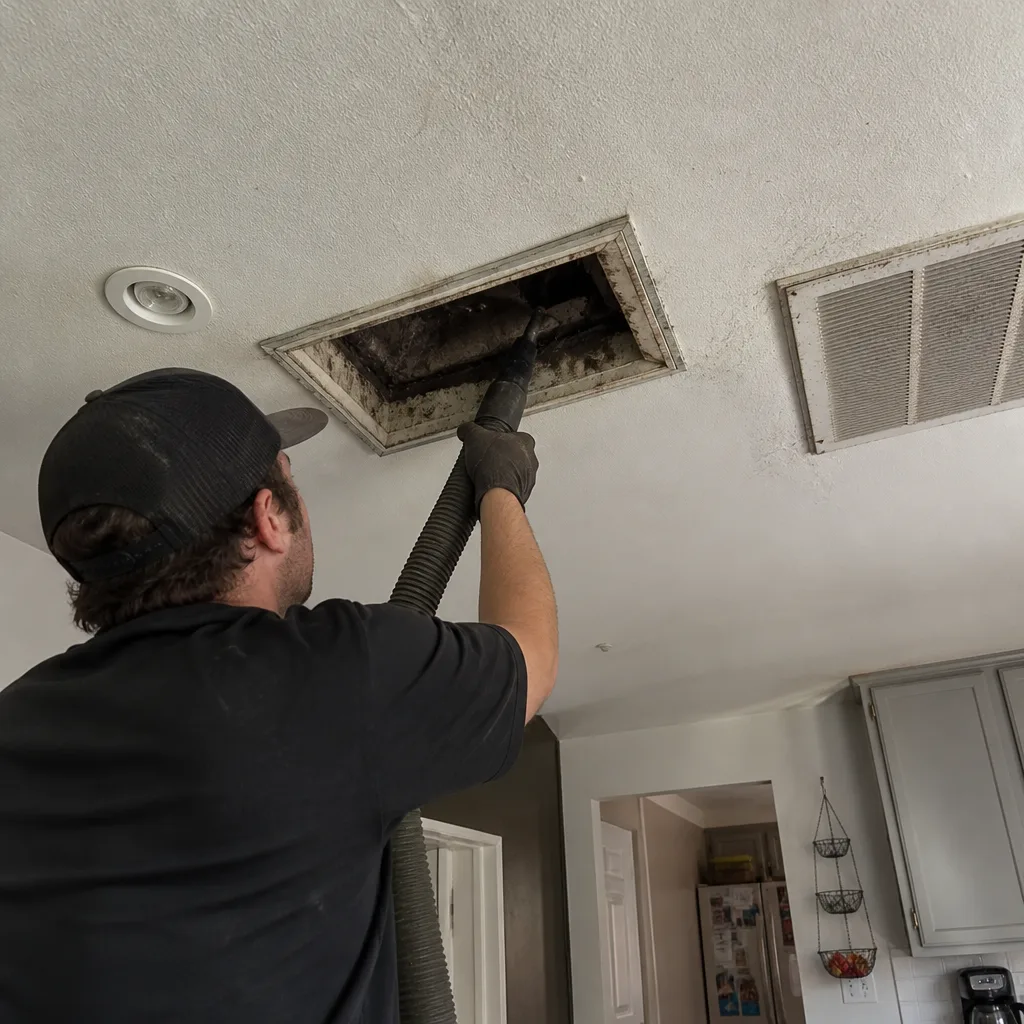 Before
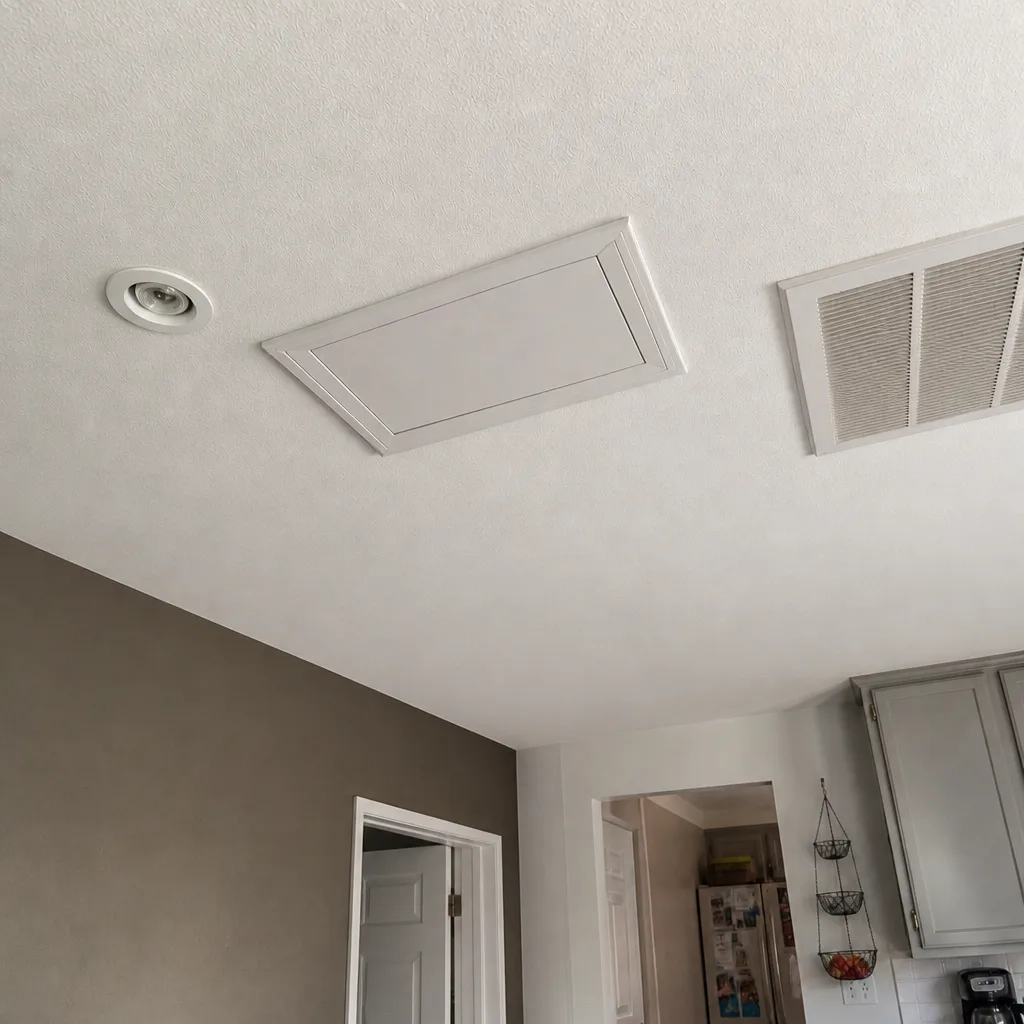 After
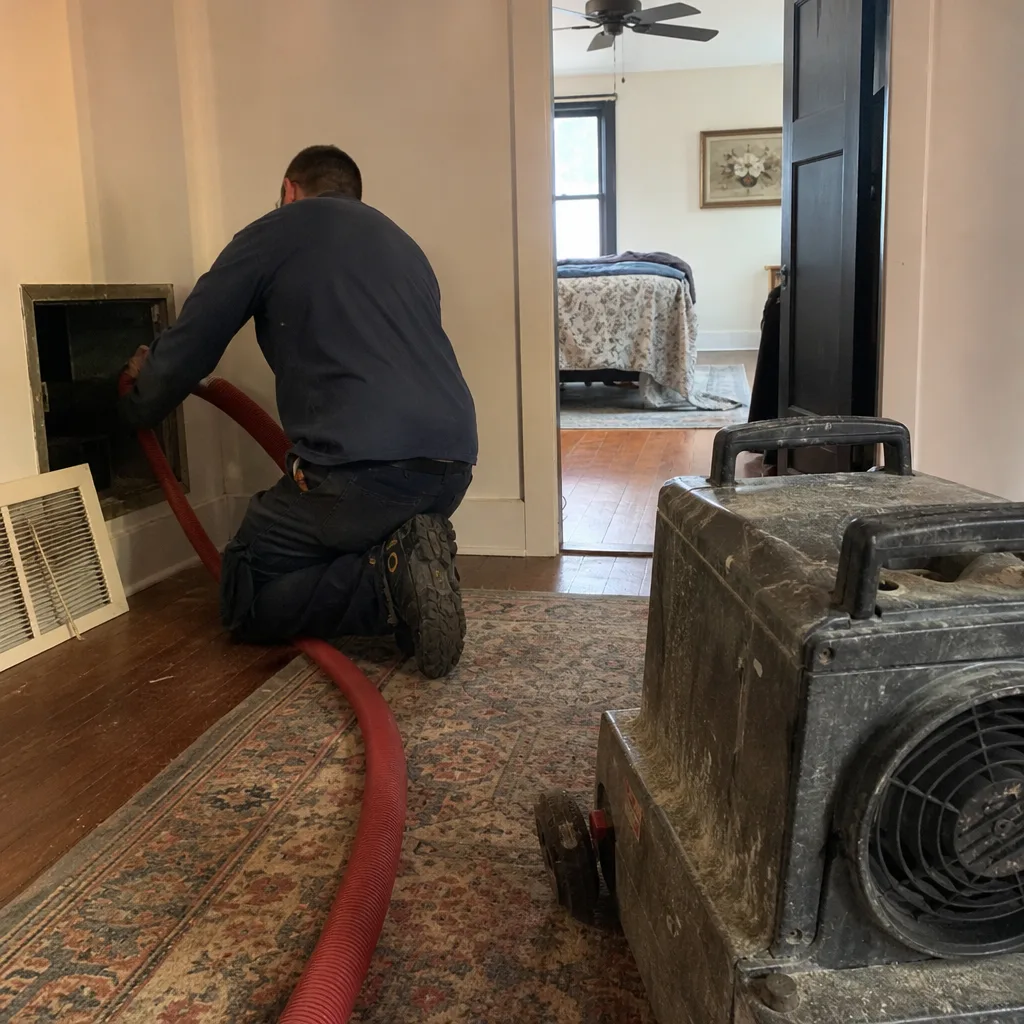 Before
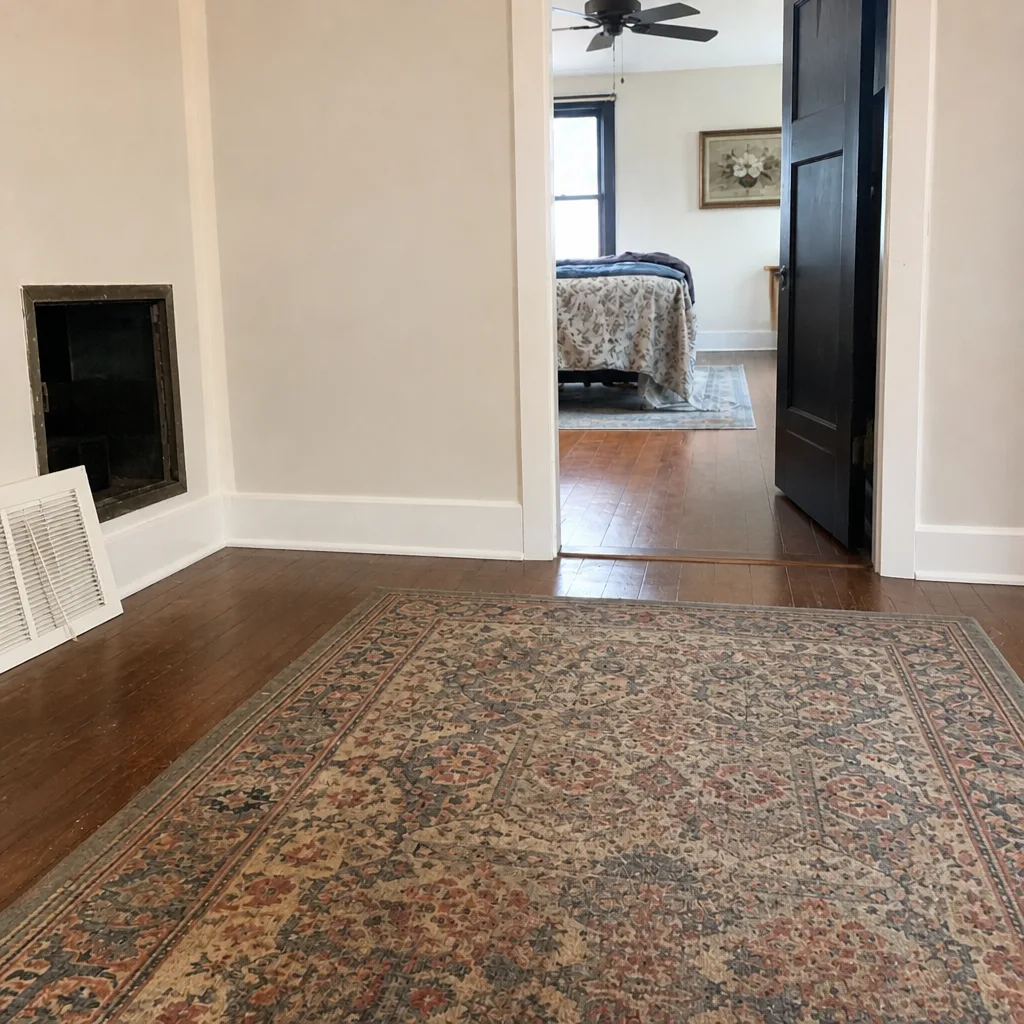 After
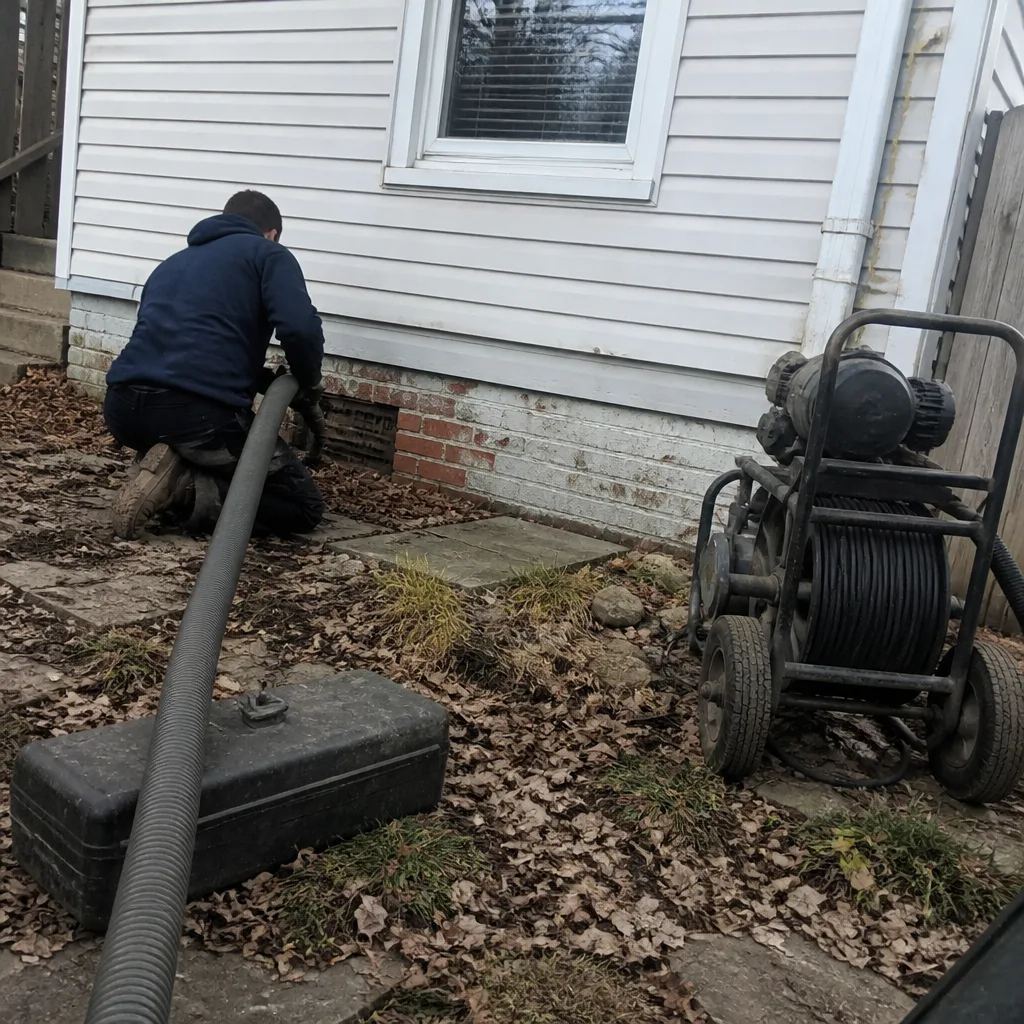 Before
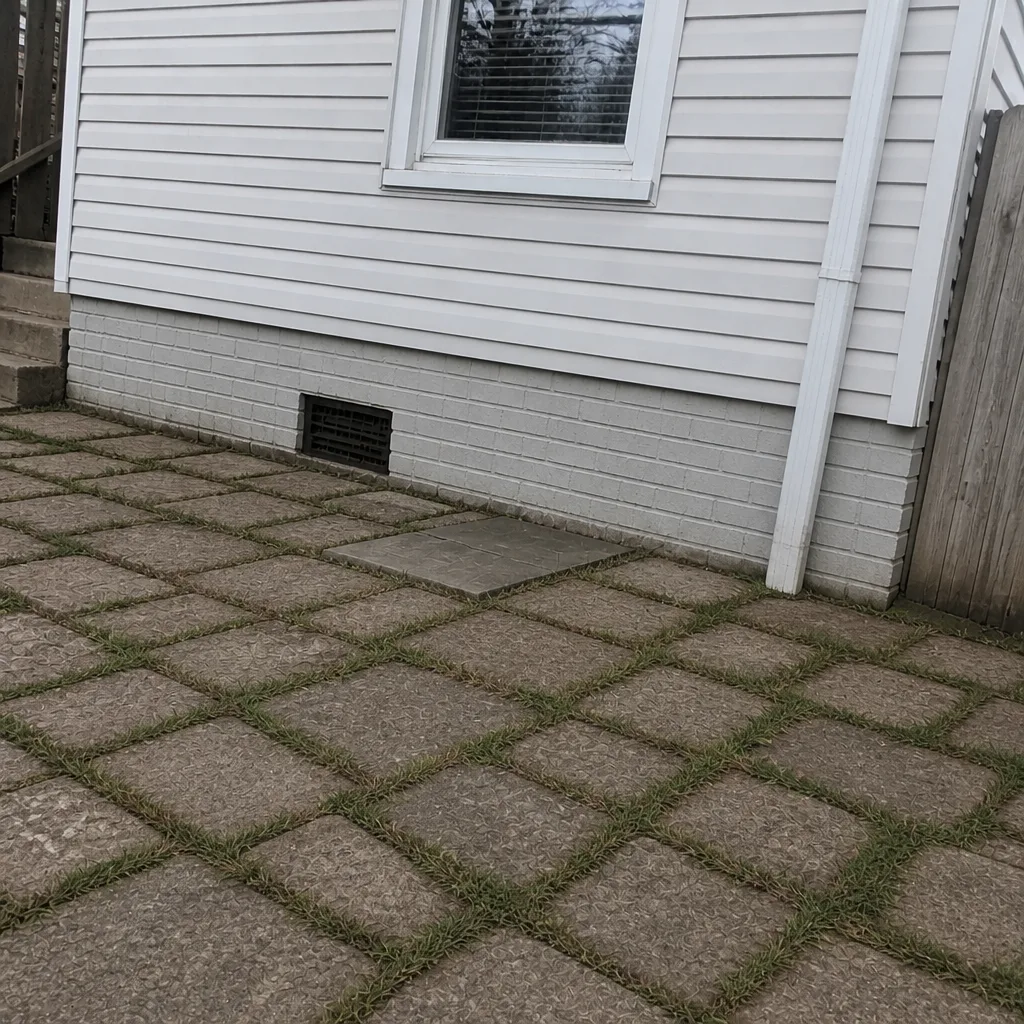 After
When to Call a Professional
Call for an inspection if you’ve identified two or more of the warning signs in this guide, if a musty smell shows up every time the AC starts, if you’ve completed a renovation and can’t confirm the return path was sealed, if you notice a crushed or disconnected duct in an accessible attic or crawlspace, or if your home has never had ductwork professionally serviced and you’re seeing any of the patterns above. We answer 24/7. Fast dispatch, 7am-7pm, Sunday through Friday.
Air Duct Cleaning East Nashville offers free estimates in East Nashville. Call (877) 417-5183. We answer 24/7. Fast dispatch from 7am to 7pm, Sunday through Friday. One flat price is agreed before work starts, and you get before-and-after photos of your own ducts so you can see exactly what was removed.
Frequently Asked Questions
Cost varies with the number of registers, how accessible the ductwork is, and whether repair or sealing is needed. Your written estimate sets the final price, and we agree one flat price per system before any work begins. Call (877) 417-5183 for an exact quote; estimates are free.
Cheap quotes typically skip the equipment and steps that make cleaning effective: no containment, no mechanical agitation, and no real extraction. A short pass with a shop vacuum may loosen dust but doesn’t remove it. Ask what equipment and verification are included. Call (877) 417-5183 for a free estimate.
Ask for before-and-after photos of your own ducts. A crew using professional equipment can show you what was removed. Our technicians use Rotobrush rotary-brush systems and Nikro HEPA vacuums and provide photos so you can verify. Call (877) 417-5183 for a free estimate.
Most homes don’t need a schedule. If you’ve just finished a renovation, if you’re seeing two or more warning signs, or if the home has never had service, an inspection is the right first step. Persistent signs are the trigger, not a calendar. Call (877) 417-5183 for a free estimate.
Yes. Both are treated as part of the same service call and both deserve attention. The dryer vent is a fire risk independent of the ducts and is worth checking in the same appointment. Call (877) 417-5183 for a free estimate.
Most often it means biological growth at the evaporator coil or drain pan, not inside the ductwork. Cleaning the ducts alone won’t fix it if the coil is the source. An inspection tells you which. Call (877) 417-5183 for a free estimate.
The Bottom Line
Dusty registers, musty smells, register discoloration, and post-renovation fallout are real signs, but they don’t all point to the same fix. Dust on a register might mean a dirty duct or a filter issue. A musty odor almost always means the coil. A single room that’s dusty points to an airflow or return problem. In East Nashville, that distinction matters more than in most cities because the housing stock ranges from 1920s bungalows with retrofit flex duct to gut-renovated homes just finished this year. The one reliable way to know which warning sign is which is a professional inspection, not a guess from a blog post. If you’ve identified two or more signs, a free estimate is the right next step. Call (877) 417-5183 and we’ll tell you what we find.
Air Duct Cleaning East Nashville
If your inspection of the signs above points toward scheduling a service, our main page on Air Duct Cleaning East Nashville lays out the process from first call to final photos. Our technicians have up to 13 years of experience and use Rotobrush rotary-brush systems, Nikro HEPA-rated extraction, and Abatement Technologies filtration to contain debris during the job. We also offer Duct Repair & Sealing for the sealing and repair issues this guide describes, so a clean system stays clean.
Call (877) 417-5183 for a free estimate. We answer 24/7. Fast dispatch from 7am to 7pm, Sunday through Friday. A call outside dispatch hours is booked into the next opening, Sunday through Friday, 7am to 7pm.
Written by the team at Air Duct Cleaning East Nashville.