
Last updated November 23, 2026
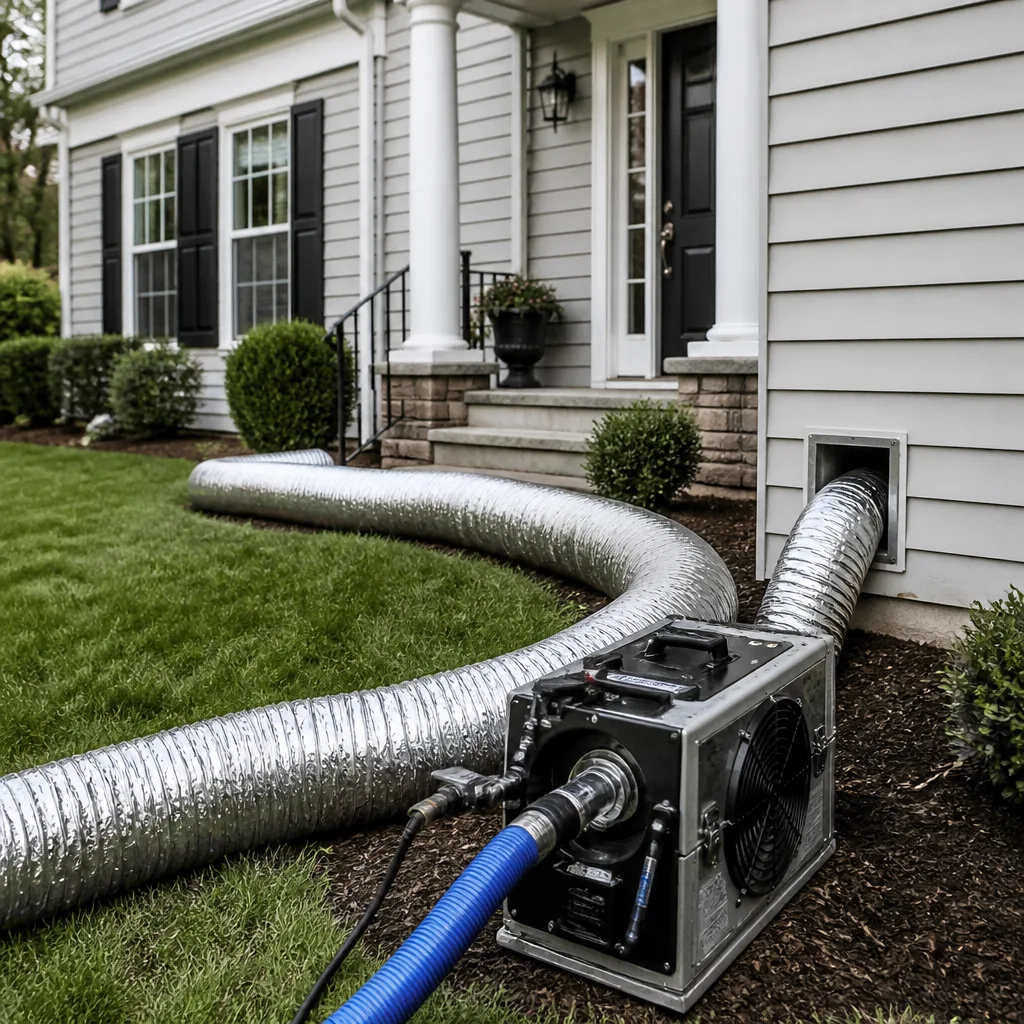 Whole-home duct cleaning
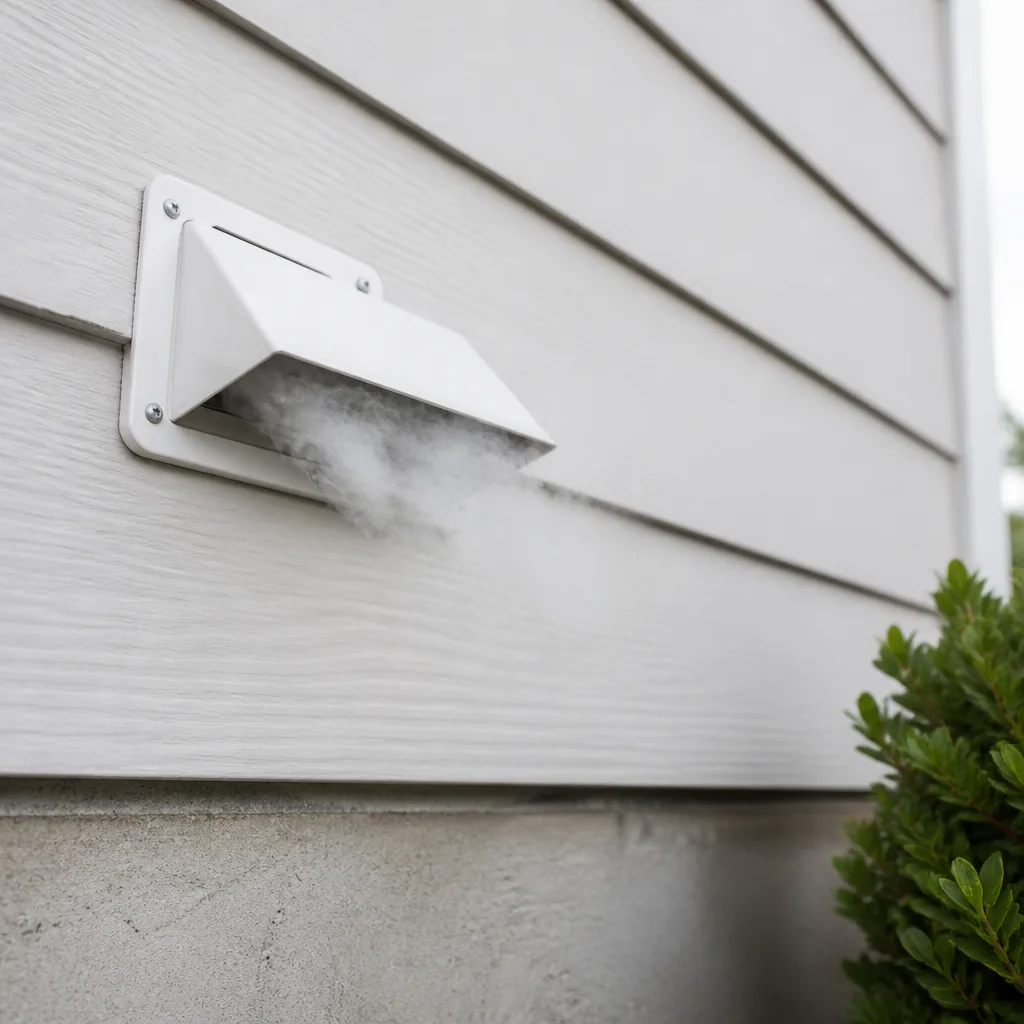 Dryer vent cleaning
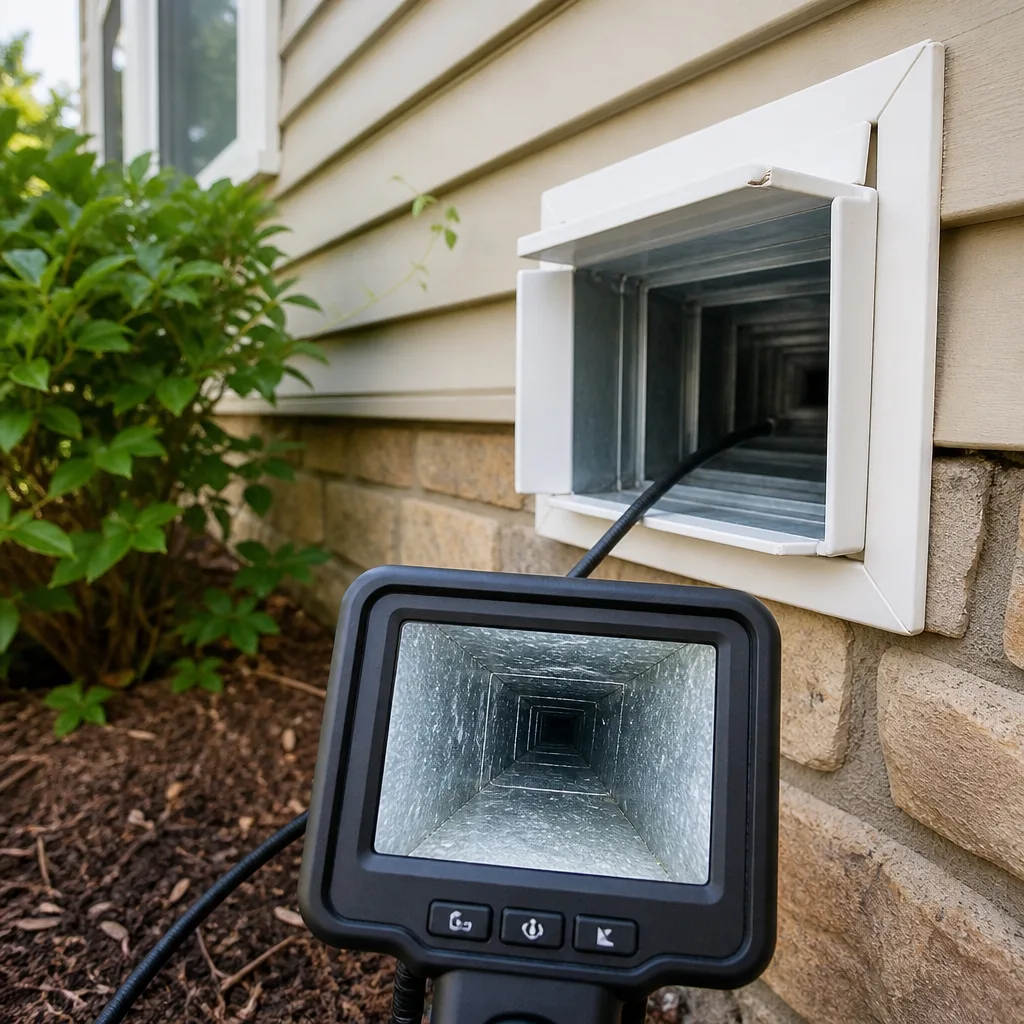 Camera inspection
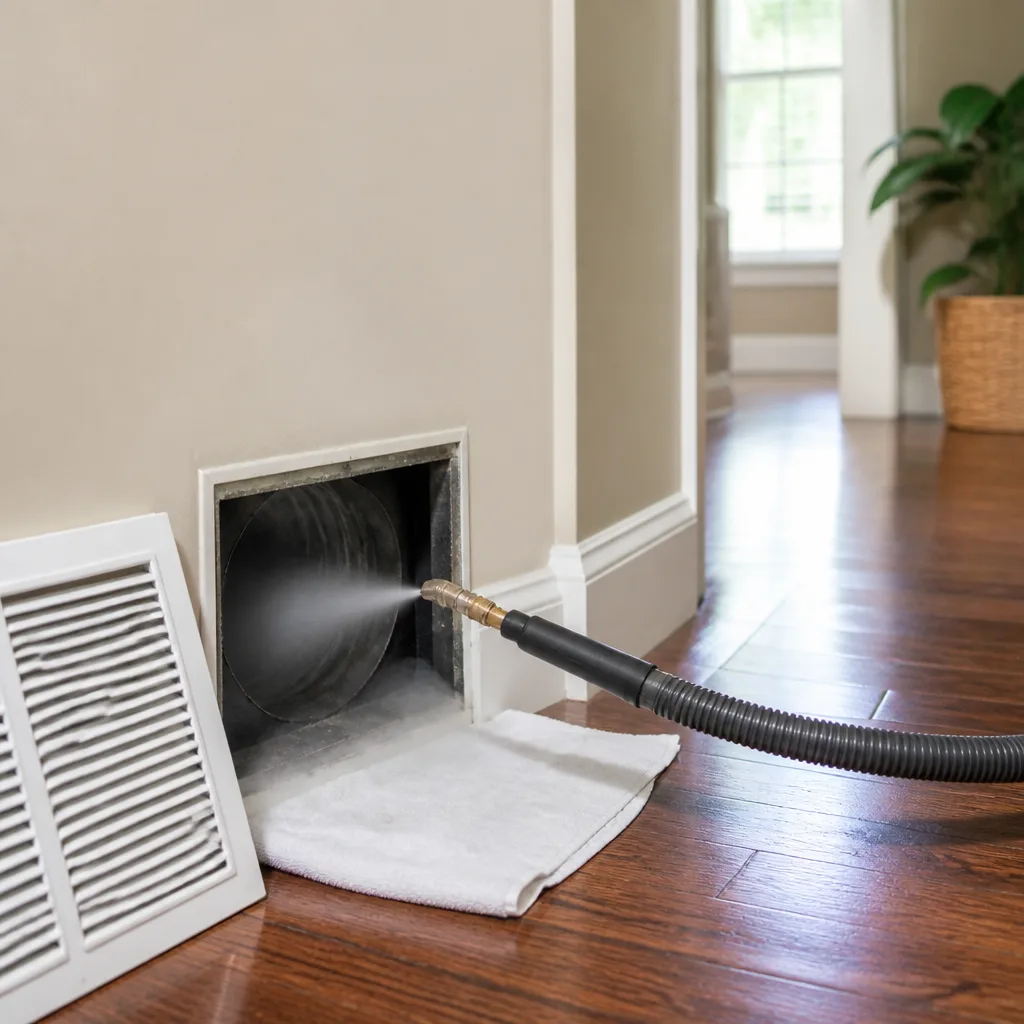 Sanitizing & deodorizing
Whole-system duct and dryer vent check with before-and-after photos - you see exactly what came out of your vents
That "$99 whole-house special" is a bait ad - the real number appears once they are in your hallway, or the "clean" is a shop-vac at the register. We photograph the inside of your ducts before and after instead.
The Complete Guide to Air Duct Cleaning in East Nashville
A 1940s brick bungalow near Eastland Avenue and a 2019 infill build off Chapel Avenue share the same ZIP code but almost nothing about how their ductwork collects debris, leaks air, or responds to cleaning. Yet most duct cleaners treat them identically. That’s the problem this guide exists to fix. East Nashville’s housing stock is one of the most varied in the city – century-old Craftsmans, mid-century ranch slabs, and fast-built new construction sit side by side – and each collects dust, moisture, and air loss in its own way. We’ll walk through how professional equipment actually works inside a duct, why Nashville’s humid summers change the job, and how to verify the work was really done.
Quick Answer
Air duct cleaning in East Nashville means using mechanical agitation and contained HEPA extraction to remove accumulated debris, dust, and microbial growth from the supply and return ductwork, then inspecting seals and joints so the system stays clean. For most East Nashville homes, that takes a full-system assessment rather than a quick surface vacuum, and the price is set per job by a written estimate – not per vent. The result you’re paying for is measurably cleaner air and a duct system that holds pressure instead of leaking it.
Styles & brands we work with
- Whole-home duct cleaning
- Dryer vent cleaning
- Camera inspection
- Sanitizing & deodorizing
Table of Contents
- How East Nashville’s Housing Stock Changes the Job
- Why Layered Ductwork Needs a Different Approach
- What Professional Equipment Actually Does Inside a Duct
- Humidity, Biofilm, and Why Vacuuming Isn’t Enough
- The Full Duct Ecosystem: Seals, Joints, and Re-Contamination
- How to Verify the Cleaning Was Actually Completed
- Dryer Vents: The Fire Risk Most Homeowners Overlook
- How Often East Nashville Ducts Actually Need Cleaning
How East Nashville’s Housing Stock Changes the Job
East Nashville is not one housing market. It’s at least four, stacked on top of each other, and each one fails in a different way. A duct cleaning process that works in a 1950s ranch won’t necessarily address what’s happening in a 1920s Craftsman that’s been retrofitted twice.
Here’s the breakdown we work with when we evaluate a home here:
- Pre-1940 Craftsmans and bungalows (Eastland, Lockeland Springs, Edgefield): These homes were built without forced-air systems. When central heat and air arrived, ductwork was often run through crawlspaces, closets, and attic chases. That original metal is old, sometimes unsealed, and almost always connected to something newer.
- 1950s-1970s ranch slabs (Inglewood, part of Maplewood): Ducts are frequently buried in the slab or run tight through low attics. Access is limited, and retrofit work tends to be patchy.
- 1980s-2000s tract builds: Flexible duct dominates. Flex is efficient when it’s installed correctly and kinked into a mess when it isn’t.
- New infill construction (Chapel, McFerrin Park, Cleveland Park): New ducts are easier to clean but tend to sit in tightly buttoned homes where every leak and every pocket of trapped moisture matters more.
The practical upshot: two East Nashville homes a block apart can need completely different cleaning strategies. Treating them the same is how duct cleaning gets a bad reputation. Our approach to air duct cleaning starts with identifying which category your home falls into before any equipment comes out of the van.
Why Layered Ductwork Needs a Different Approach
One of the most common things we find in East Nashville’s older homes is layered ductwork: original rigid metal from an earlier HVAC system with flexible duct retrofitted over it when a system was replaced or when a room was added. Homeowners usually don’t know it’s there. The layering matters because it changes everything about how the ducts collect debris and how they respond to cleaning.
Here’s why:
- Flex over metal traps debris at the transition. Where the new flexible duct slips over the old metal collar, there’s usually a gap, a tear, or a poorly-sealed connection. Dust accumulates right there, and so does moisture.
- You can’t clean flex the way you clean metal. Rotobrush-style rotary brush systems are built to agitate metal duct walls. Flex has to be handled with lower-pressure tools and a careful touch, because aggressive brushing can tear the inner liner.
- Some metal runs become dead ends. When a system gets reconfigured, segments of the original metal can be left in place, unused. If they’re not capped, they collect dust and can pull air from a crawlspace or wall cavity right back into the living space.
- The seams leak. Every place metal meets flex is a potential pressure leak, and leaks are what drive re-contamination after a cleaning.
That’s why the check we do first is visual: what’s actually there, how it’s connected, and whether any of it is failing. A cleaning without that assessment is just a rinse of the easy parts. For related work on the air-handling side, see our hvac cleaning service.
What Professional Equipment Actually Does Inside a Duct
Most of what goes wrong with cheap duct cleaning comes down to one thing: the wrong tool for the job. A repurposed shop vacuum creates suction at the opening of the vent but doesn’t agitate the walls where debris actually clings. Professional duct cleaning works in two phases – agitation and extraction – and both have to happen for the result to hold.
Phase 1: Mechanical agitation
We use Rotobrush rotary-brush systems, which are purpose-built for duct interiors. The rotary brush travels through the duct and physically breaks loose the compacted dust, dust mites, and debris that has settled onto the walls over years. The key word is physically. Vacuum suction alone pulls some dust off a surface; a rotary brush does much more, and that difference shows up immediately on the encapsulated debris.
Phase 2: Contained HEPA extraction
Once debris is airborne inside the duct, it has to go somewhere. Our Nikro vacuum equipment uses commercially rated HEPA filtration to pull that debris into a contained unit rather than blowing it into the living room. Alongside that, Abatement Technologies negative-air filtration devices are placed in the work area to keep any airborne dust in the work zone, not on your furniture, floors, or bookshelves.
This is the part that separates a clean job from one that just produces a lot of noise. If the technician can’t tell you what equipment they’re bringing – by name – that’s worth asking about before you book.
Humidity, Biofilm, and Why Vacuuming Isn’t Enough
Nashville summers are humid. Not desert-hot, not coastal-mild – humid, sticky, stuck-in-the-air humid. That matters for ductwork because moisture is what turns ordinary dust into a living surface for microbial growth.
Inside a typical East Nashville duct in August:
- Cool air running through warm duct walls creates condensation on the metal.
- That condensation mixes with accumulated dust and settled particles.
- The resulting surface supports mold, mildew, and bacterial growth – what’s often called biofilm.
- Every time the system cycles, small amounts of that growth can be carried into the living space.
Here’s the part that surprises people: vacuuming doesn’t fix biofilm. A vacuum removes debris. It doesn’t address the surface-level growth that’s attached to the duct wall, and it doesn’t stop it from coming back the next humid week. That’s why our scope extends beyond cleaning into air quality and sanitizing, using products compatible with Honeywell and Aprilaire components. That means treating the duct surfaces after the debris is out, and where relevant, adding filtration that can actually capture smaller particles going forward.
If someone in the home has asthma or allergies, this is the part to ask about specifically. Cleaning alone is a big improvement over never having cleaned. Cleaning plus treating the surfaces and improving filtration is a bigger one – and it’s what most of the East Nashville homeowners with allergy concerns end up choosing after we explain the difference.
The Full Duct Ecosystem: Seals, Joints, and Re-Contamination
Cleaning a duct system without inspecting how it’s sealed is a bit like washing a bucket that has holes in it. It’ll be clean when you’re done, and it won’t stay that way. In East Nashville’s older homes, especially the Craftsmans and bungalows with retrofitted ductwork, air leaks at seams and joints are often the biggest single source of energy loss in the house.
What we look for during a service:
- Disconnected joints. Flex duct pulling away from a boot, a trunk line separating from a collar. Common after years of thermal cycling.
- Crushed or kinked flex runs. Especially where ducts pass through tight chases. A crushed duct restricts airflow and creates pressure that pushes air out of every other seam in the system.
- Tears and holes in the flex liner. Small, easy to miss, and a direct route for debris and moisture.
- Unsealed boot-to-floor connections. Air leaking under the floor, through crawlspaces, sometimes pulling dust back into the supply side.
- Old, failing tape and mastic. Tape from an older install often loses adhesion after a decade or two.
Duct repair and sealing is a service we offer specifically because most standalone duct cleaners don’t. Clean ducts, sealed ducts, and working filtration are the three pieces of a healthy system. Skip one and the others don’t get you far. If your ducts are clean and clear but your energy bill is climbing and rooms are still uneven, this is usually where the answer lives.
How to Verify the Cleaning Was Actually Completed
The single biggest hesitation homeowners have about duct cleaning is well-earned: it’s hard to see what happened inside a duct. Here’s how to check, without needing anyone to take your word for it.
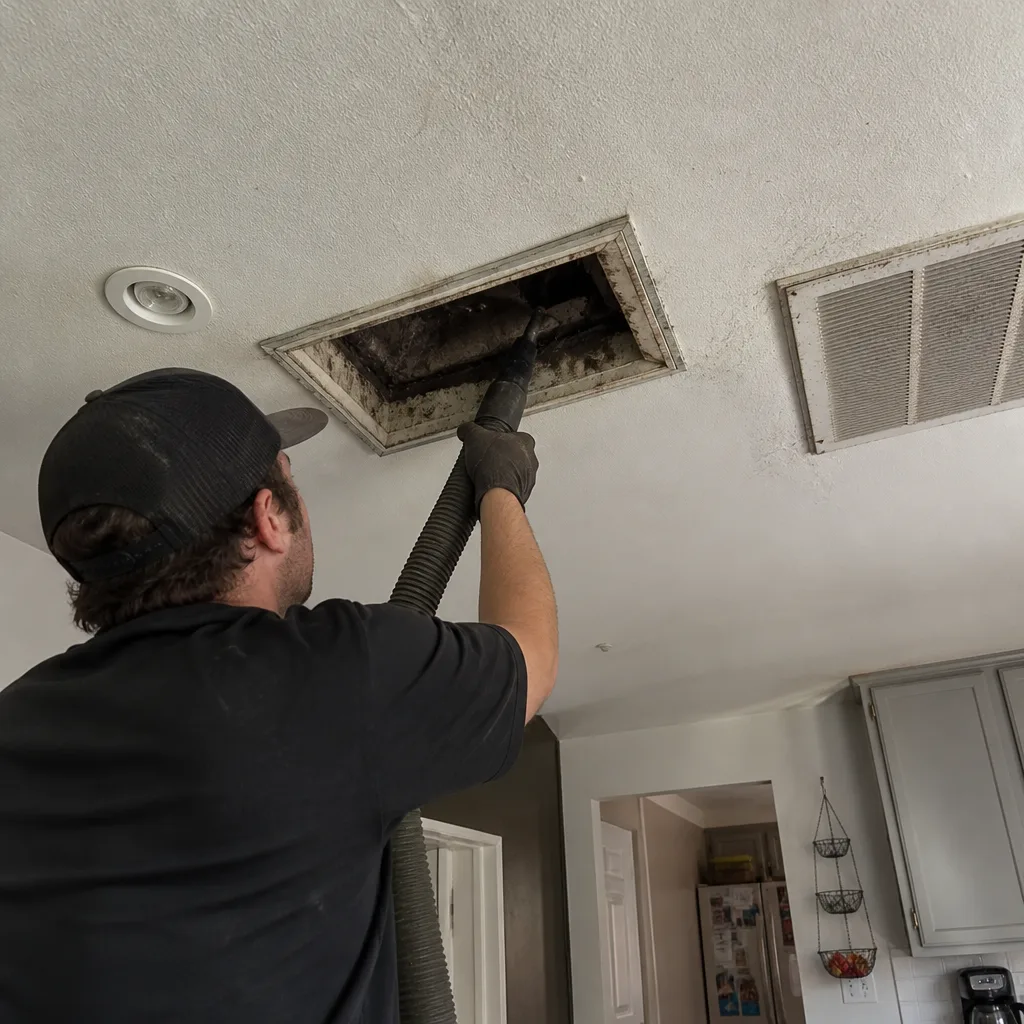
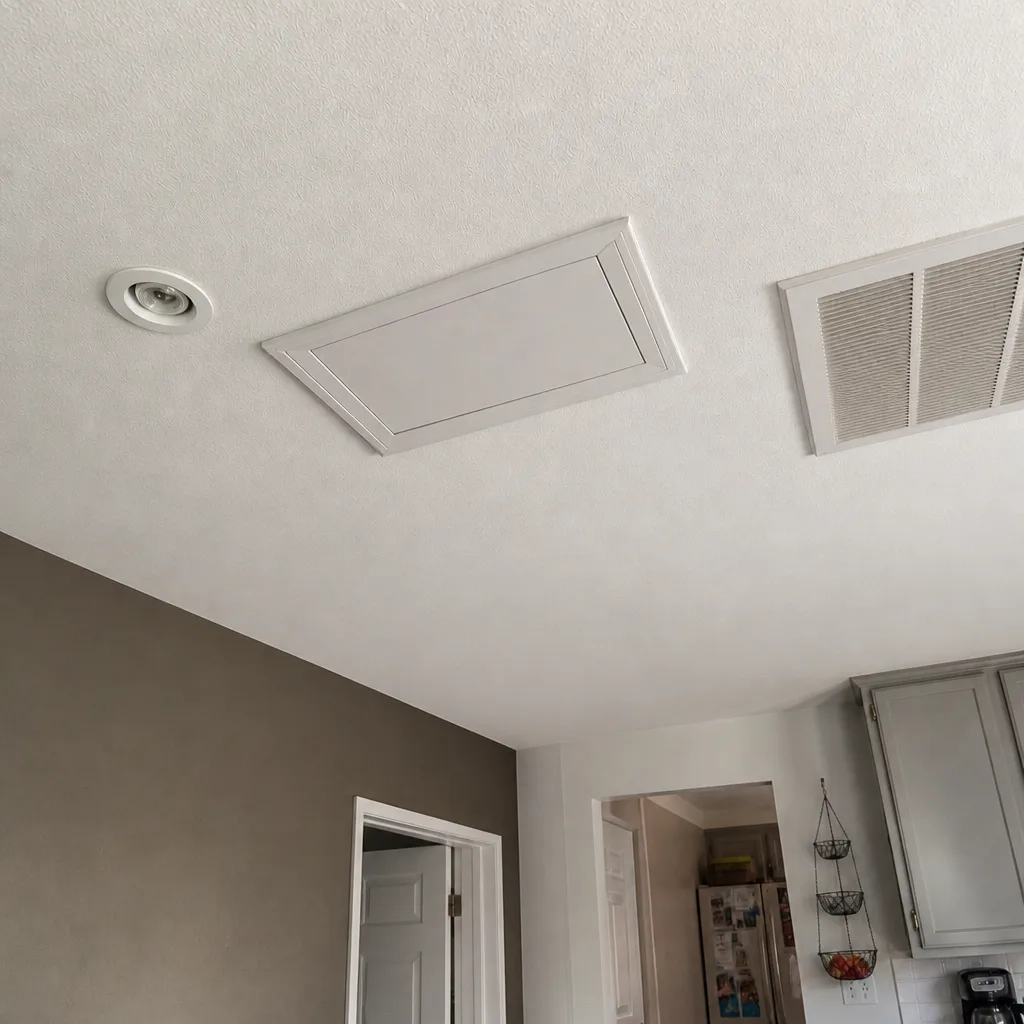
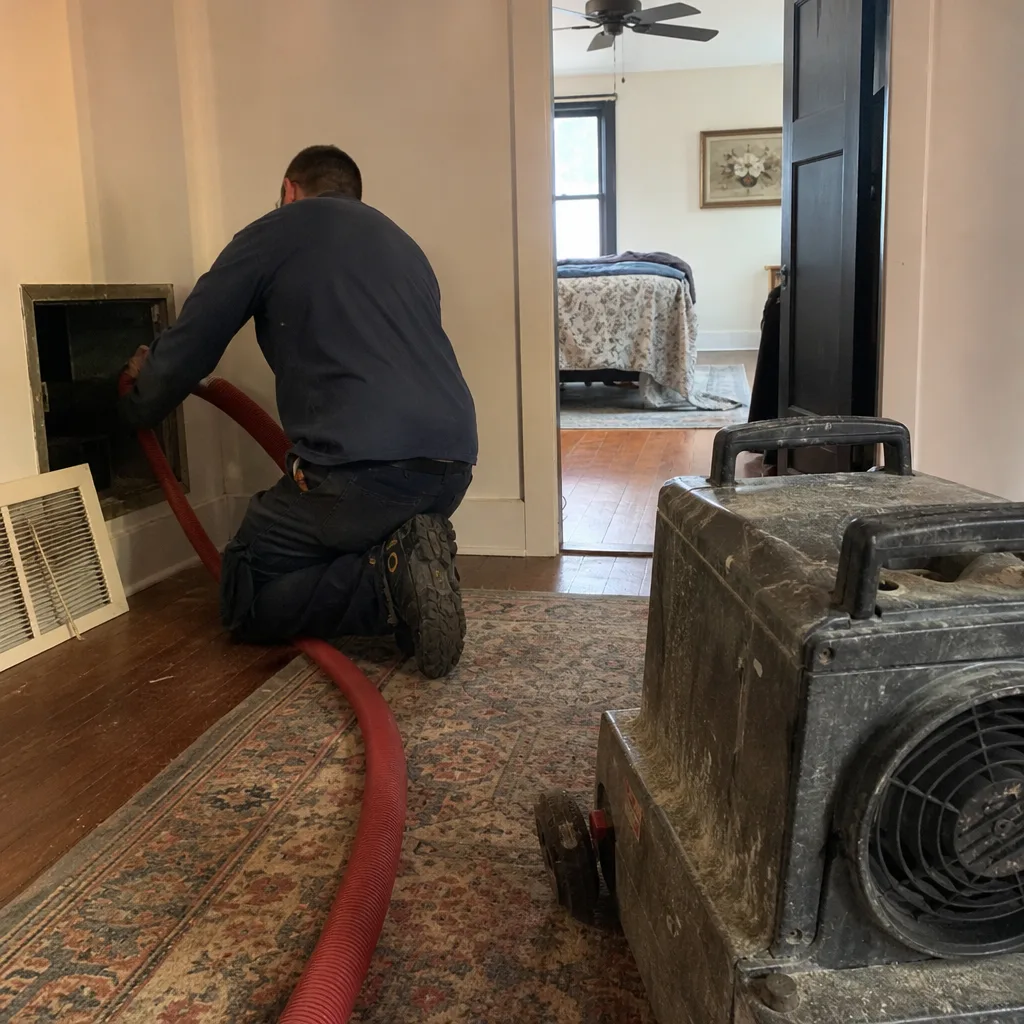
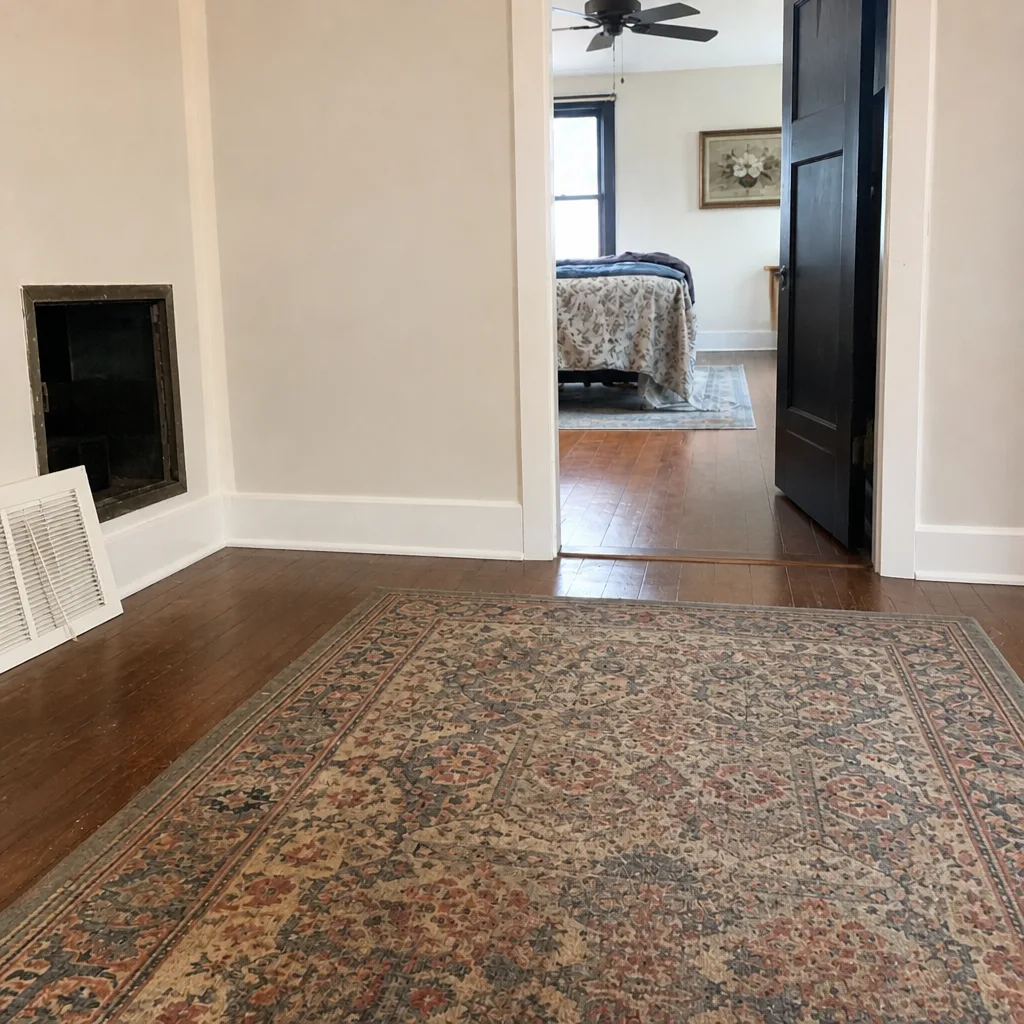
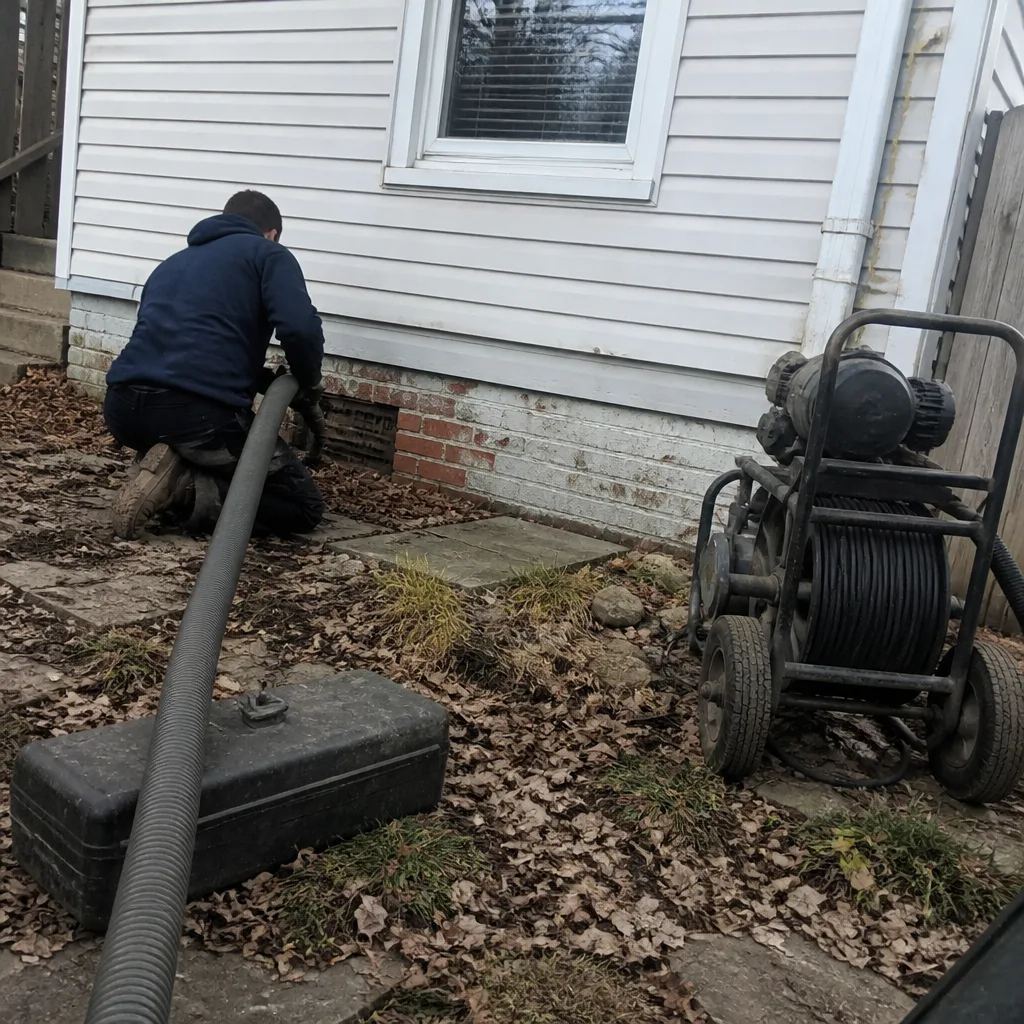
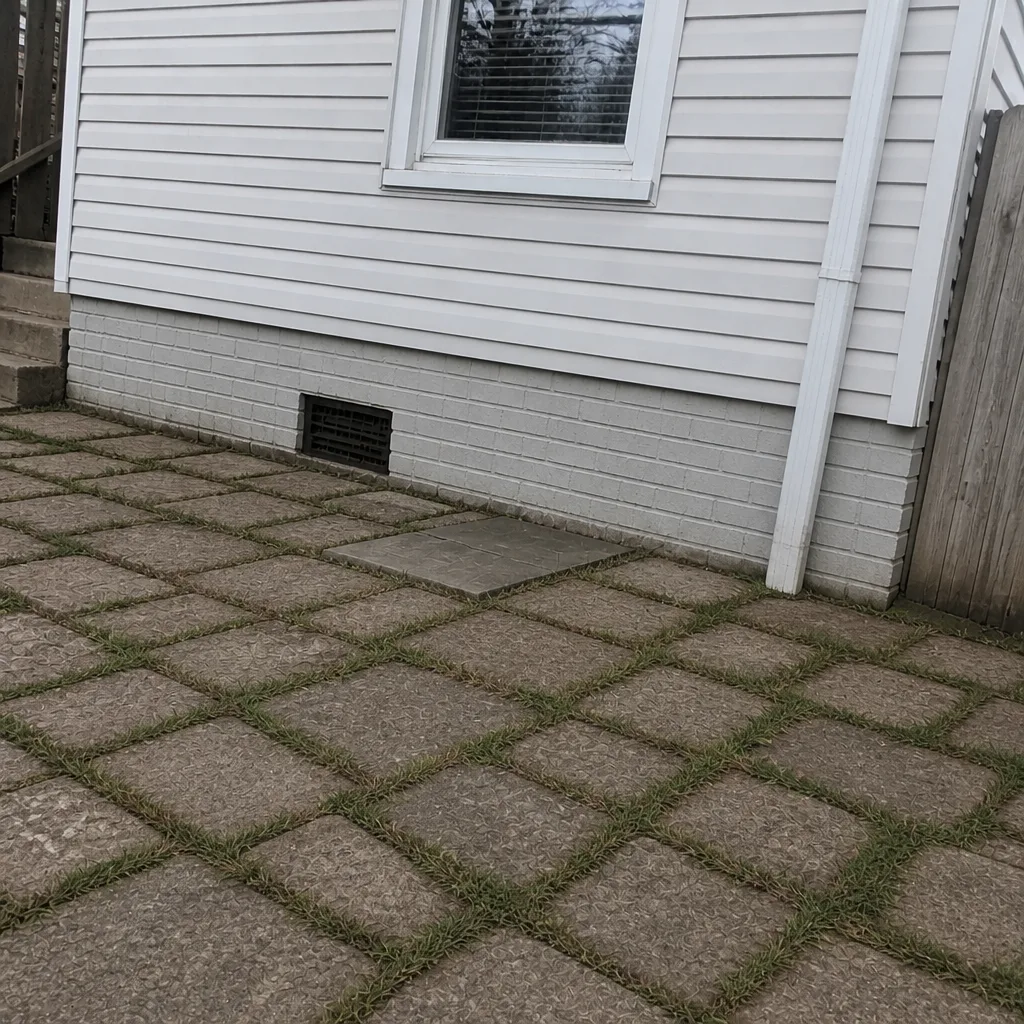
- Ask for before-and-after photos. A professional service should photograph the inside of the ducts before cleaning and after. The images should show the same area – the same vent, the same duct run – not a generic shot.
- Check the debris collected. Ask to see what came out. The volume, color, and texture tell you a lot about what was actually removed.
- Look at your registers. Supply and return registers should be visibly clean when the job is done. If they’re not, that’s a sign the process wasn’t thorough.
- Walk the work area. Nothing should be dustier after a cleaning than it was before. Negative-air filtration during the job is what prevents that – and its absence is what makes it obvious.
- Ask what was found in the inspection. A technician should be able to tell you whether there were tears, loose joints, or microbial growth, and where.
- Confirm seals were checked. If the report is “we cleaned it,” ask whether joints and connections were inspected. Cleaning without inspection is half a job.
If a company can’t produce before-and-after images of your ducts, that’s a fair reason to keep looking. Every service we do ends with a straightforward review of what we found and what was removed. See what’s inside your ducts – and what we remove.
Dryer Vents: The Fire Risk Most Homeowners Overlook
Ductwork doesn’t stop at the HVAC system. In most East Nashville homes, the dryer vent is a duct too – one that collects lint every load, and one that most people never think to clean. Lint is extremely flammable, and dryer vent fires are one of the leading causes of residential house fires in the country. It’s the part of the duct ecosystem that’s a safety question rather than a comfort one.
Signs a dryer vent needs attention:
- Clothes take noticeably longer to dry than they used to.
- The dryer feels hot to the touch on top or at the door.
- The outside vent flap doesn’t open much, or at all, when the dryer runs.
- Lint visible around the outside vent opening or behind the dryer.
- The laundry area has a humid, warm feel after a load finishes.
Our dryer vent cleaning is a standalone service that addresses this directly, with no bundled add-ons. One appointment, one serious fire risk removed. If your home hasn’t had the dryer vent inspected in years, it’s the cheapest piece of duct maintenance to do.
How Often East Nashville Ducts Actually Need Cleaning
There’s no universal schedule that fits every home here – the honest answer is “depends on the house.” But there are concrete triggers that make the decision easier:
- A recent renovation. Drywall dust, sawdust, and construction debris get pulled into and settle inside the return ducts. This is the most common reason East Nashville homeowners book a cleaning.
- Visible dust at the registers. If dust lines the inside of the supply or return grilles, some of that is coming from the ducts themselves.
- New-to-you home with no service history. Especially older homes in Lockeland Springs, Edgefield, and Eastland. You can assume the ducts have never been cleaned.
- Allergy or asthma concerns in the household. Lower the threshold for cleaning and consider adding filtration and sanitizing.
- An older HVAC system. A duct system that’s been through one system replacement already has accumulated debris and possible seal failures.
- Uneven room temperatures or thin airflow. Not always a cleaning issue, but a good prompt for inspection.
Homes with pets, older residents, or heavy foot traffic tend to need attention more often than a lightly used, well-filtered 2019 build. We’d rather look at what’s actually in the ducts than put you on a fixed calendar that assumes all homes are the same. If you want a baseline, ask for an inspection and a written estimate.
Common Mistakes to Avoid
- Choosing the cheapest advertised price. The lowest advertised number in East Nashville is usually a teaser that grows once the technician is on site. One flat price per system, agreed before work starts, is what you actually want.
- Skipping the inspection. A cleaning without an inspection doesn’t catch torn flex, loose joints, or biofilm. The debris gets removed, and the underlying conditions stay.
- Cleaning without sealing. Clean ducts with leaking seams re-contaminate quickly. Sealing is part of the job, not an upgrade.
- Believing a shop vacuum counts as professional cleaning. Repurposed vacuums move much less debris than Rotobrush-style mechanical agitation followed by HEPA extraction. Ask what equipment will be used, by name.
- Not asking for before-and-after photos. If a company can’t show you the same duct before and after, you have no way to verify the work.
- Ignoring the dryer vent. It’s the one piece of ductwork most East Nashville homes have never had serviced. It’s also the one that’s a fire risk.
- Forgetting the filtration. After cleaning and sealing, a compatible filter upgrade using Honeywell or Aprilaire components helps the system stay cleaner longer – and that’s a different result from cleaning alone.
See the difference
 Before
 After
 Before
 After
 Before
 After
When to Call a Professional
Book a professional duct cleaning when you can see accumulated dust at the registers, when you’ve just finished a renovation, when someone in the house has asthma or allergy symptoms that get worse indoors, or when you’ve moved into an East Nashville home whose ductwork has never been serviced. Also call when you’re noticing uneven airflow, unusual odors when the system kicks on, or a dryer that’s heating up and drying more slowly than it used to. Those are all signs worth an inspection, not a guess. Once the assessment is done, a written estimate sets the price – no per-vent pricing, no surprises on the invoice. If a duct problem turns out to be a repair or sealing issue, you’d rather find that out from a trained technician than discover it on a utility bill later. Call (877) 417-5183. We answer 24/7. Fast dispatch from 7am to 7pm, Sunday through Friday.
Frequently Asked Questions
There’s no single number, because the price depends on the size of the system, how many zones and runs it has, whether sealing or sanitizing is needed, and how much debris is present. What we can tell you is how the pricing works: one flat price per system, set by a written estimate before work starts. That’s the protection against the bait-and-switch that gives this industry a bad reputation. Call (877) 417-5183 for a free estimate – it’s the fastest way to get a real number for your home.
Cheap quotes usually reflect cheap equipment and a quick process – often a shop vacuum and a limited pass at the accessible vents. That’s a different service than mechanical agitation with a Rotobrush system followed by HEPA extraction and negative-air containment. It’s not a discount on the same job; it’s a smaller job with a lower cost. If a quote sounds dramatically lower than the others, ask specifically what equipment will be used and whether seals will be inspected. Then call (877) 417-5183 to compare against our free estimate.
Ask for before-and-after photos of the inside of your own ducts, taken at the same vent or duct run, and ask what debris was found. A professional service will show you. During the job, use of Abatement Technologies negative-air filtration keeps dust out of the living space; if the house is dustier after the cleaning than before, that tells you something.
For most homes, every few years is a reasonable baseline, but the triggers matter more than the calendar: a recent renovation, a new-to-you home with no service history, visible dust at registers, or allergy concerns all shift the schedule. Older pre-1980 homes in East Nashville with layered ductwork often need the first cleaning to also fix underlying seal issues, which is a different scope than a routine refresh. Call (877) 417-5183 if you’re not sure where your home falls.
Yes. Nashville’s humid summers create condensation on cool duct surfaces, and that moisture combined with accumulated dust is what supports microbial growth – biofilm – on duct walls. Vacuuming removes the debris but doesn’t treat the growth. That’s why sanitizing and compatible filtration with Honeywell or Aprilaire products is part of a complete solution in this climate, not a marketing add-on.
If you moved into a new East Nashville build – say a 2019 or newer infill – you may still need it once. Construction debris, drywall dust, and dust from the build phase often gets pulled into the system before the first filter is even changed. Newer homes also tend to be tightly sealed, so any trapped dust or moisture matters more. A single inspection and cleaning after move-in is a reasonable step. Call (877) 417-5183 if you want a free assessment.
The Bottom Line
Air duct cleaning in East Nashville is not one job – it’s a category of jobs, shaped by whether your home is a pre-1940 bungalow on Eastland, a mid-century slab ranch in Inglewood, or a new build off Chapel Avenue. The right process uses professional mechanical equipment (Rotobrush, Nikro, Abatement Technologies), addresses biofilm where the summer humidity creates it, inspects and seals the joints where air loss actually happens, and ends with verifiable before-and-after photos. That’s what clean ducts, sealed ducts, and safer air look like from start to finish. If you’ve been putting it off because you weren’t sure what you’d actually get, that’s fair – and easy to fix with a free estimate.
If you want to know what your East Nashville home’s ductwork actually needs, call (877) 417-5183 for a free estimate. We answer 24/7. Fast dispatch from 7am to 7pm, Sunday through Friday. You’ll get a clear assessment, one flat price per system before work starts, before-and-after photos of your own ducts, and a technician who can tell you what equipment is going in your home and why. See what’s inside your ducts – and what we remove.
Written by the team at Air Duct Cleaning East Nashville.