
Last updated November 23, 2026
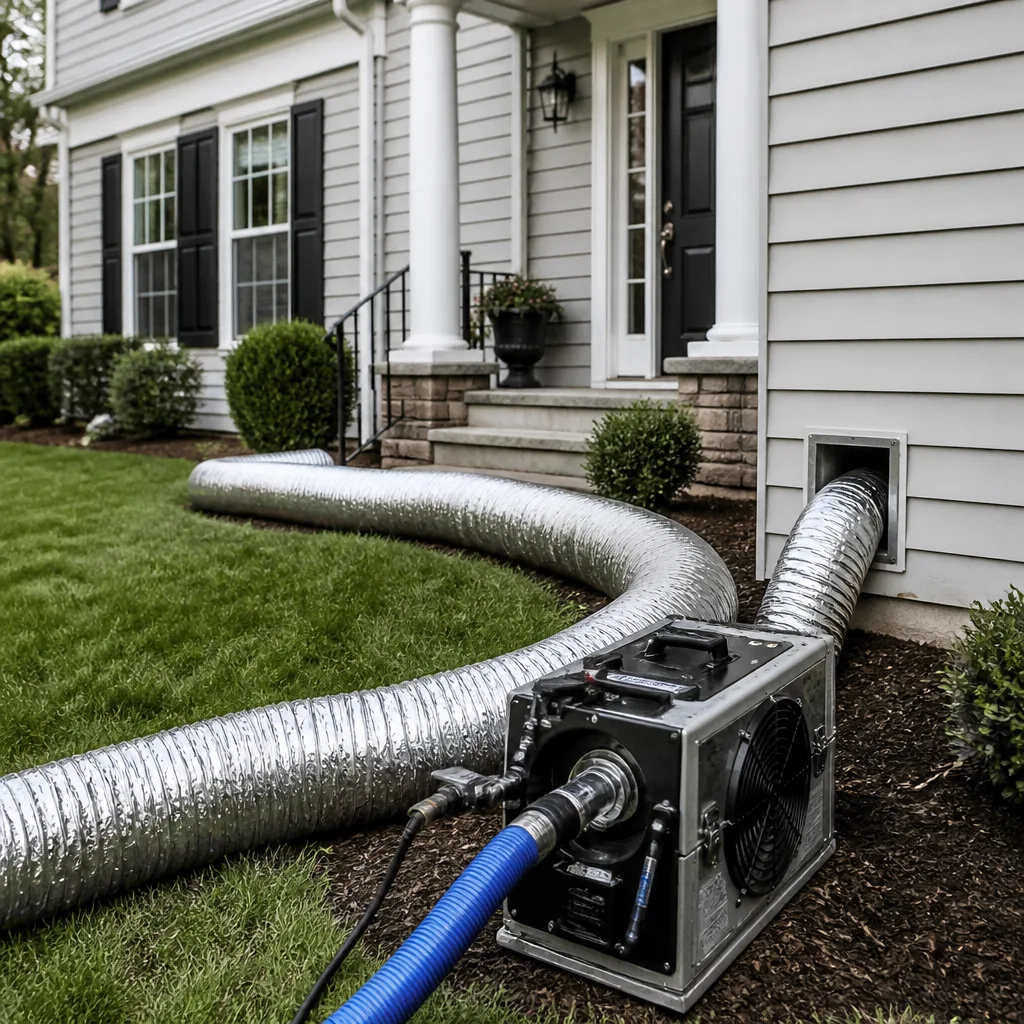 Whole-home duct cleaning
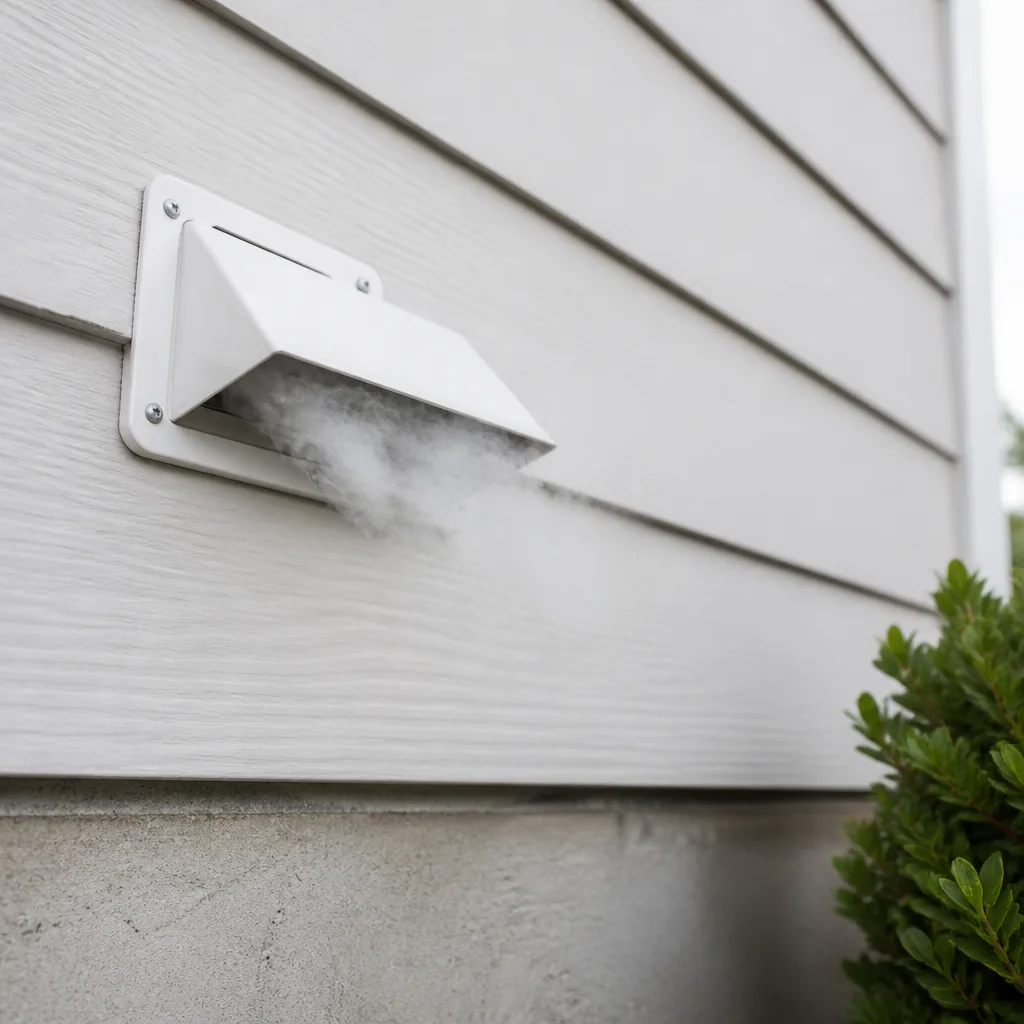 Dryer vent cleaning
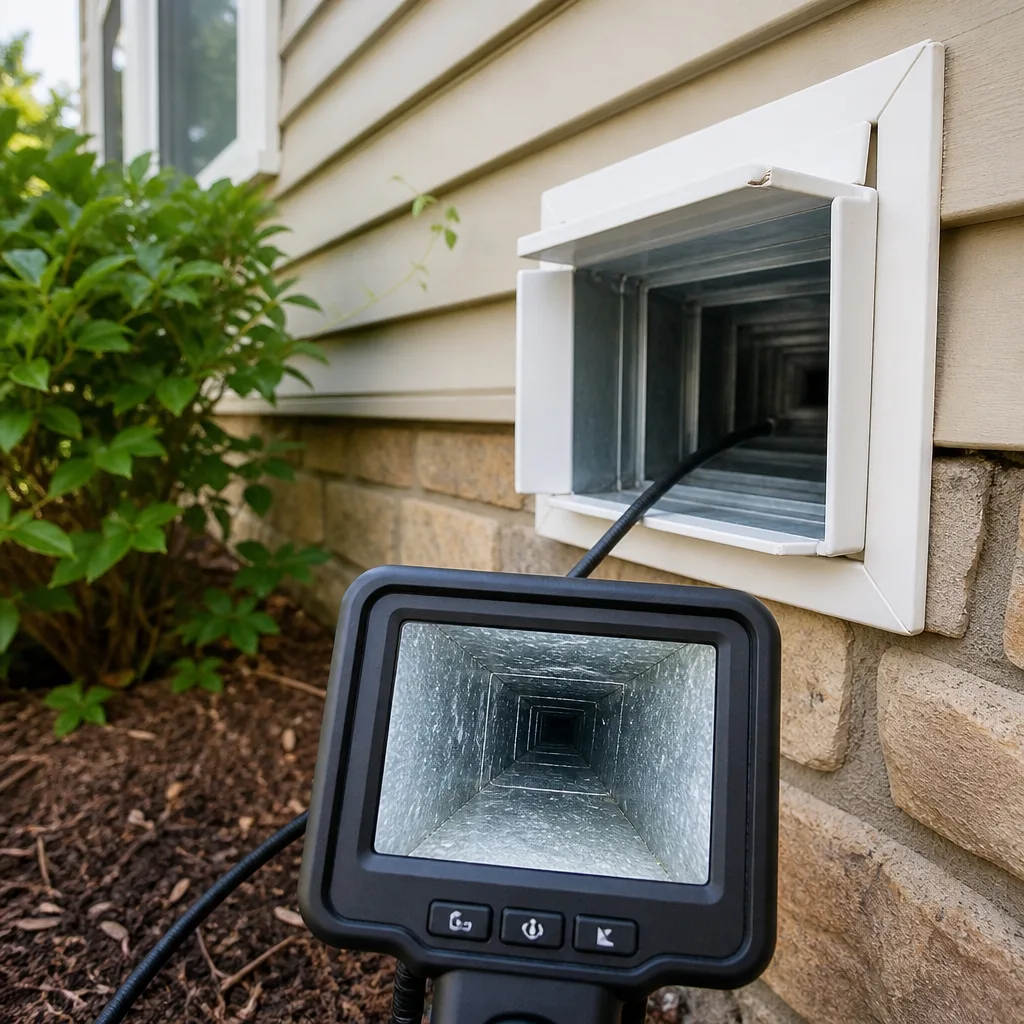 Camera inspection
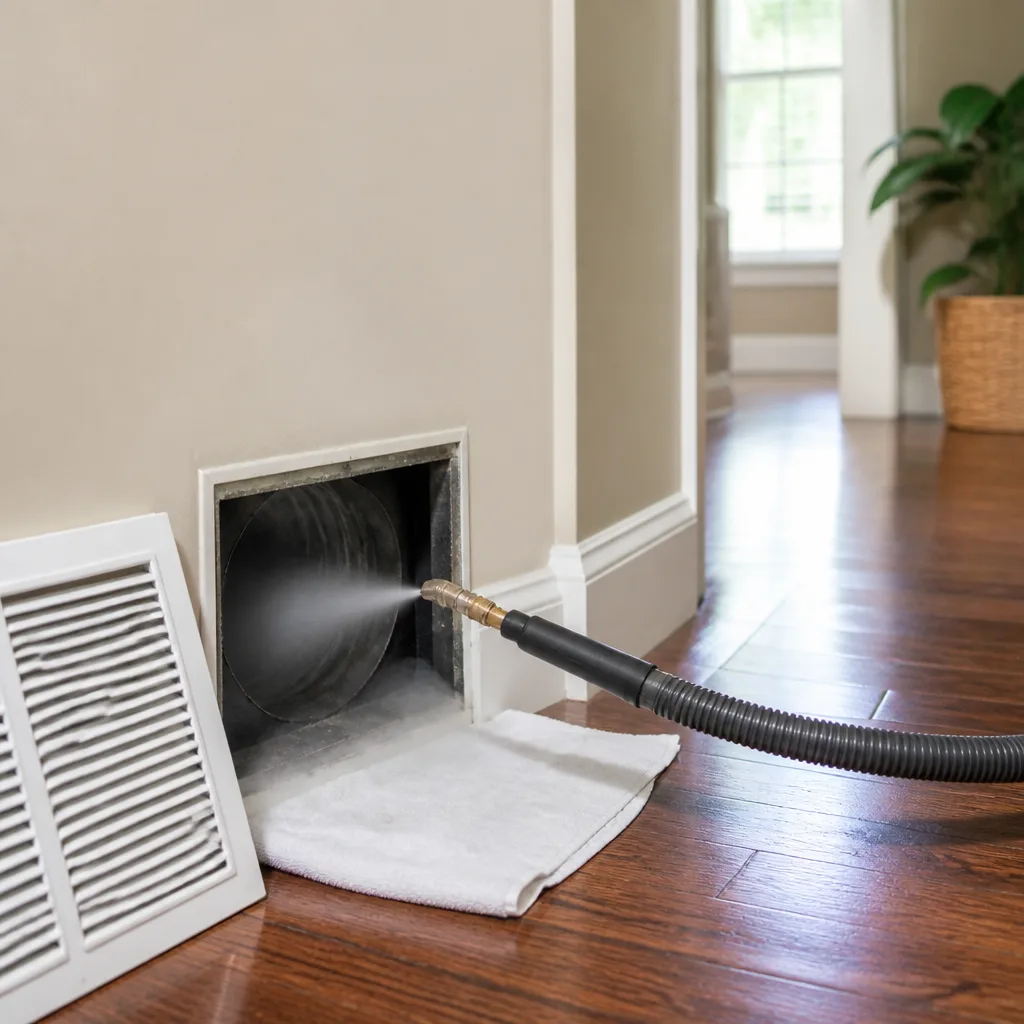 Sanitizing & deodorizing
Whole-system duct and dryer vent check with before-and-after photos - you see exactly what came out of your vents
That "$99 whole-house special" is a bait ad - the real number appears once they are in your hallway, or the "clean" is a shop-vac at the register. We photograph the inside of your ducts before and after instead.
Air Duct Cleaning Troubleshooting in East Nashville: Common Problems and How to Fix Them
If your allergist and your HVAC tech have both shrugged at your recurring air quality complaints, the problem is probably in a duct section neither of them has ever looked at. A collapsed flex run tucked behind drywall. A breached trunk line in a crawlspace nobody’s opened in years. Most homeowners go hunting for duct problems through symptoms – a musty smell in the hallway, a bedroom that never warms up, dust gathering on the return grille faster than it should – and end up guessing at solutions. This guide maps each symptom to the mechanical failure likely causing it, so you can tell the difference between a cleaning problem and a design problem before you pay for the wrong service. Along the way you’ll find a static pressure test you can ask for, the failure patterns specific to East Nashville’s older housing stock, and post-cleaning checks you can run yourself.
Quick Answer
Most air duct problems in East Nashville trace to one of three mechanical causes: microbial contamination on the interior liner, collapsed or disconnected flex duct, or leaks at supply joints. A static pressure test and a visual inspection with a camera separate cleaning problems from design problems. Cleaning fixes contamination. Sealing and section replacement fix airflow loss and re-contamination. Paying for a cleaning when the actual issue is a disconnected run behind drywall wastes money and leaves the real problem untouched.
Styles & brands we work with
- Whole-home duct cleaning
- Dryer vent cleaning
- Camera inspection
- Sanitizing & deodorizing
Table of Contents
- The Symptom-to-Cause Matrix: What Your Ducts Are Telling You
- The One Test That Separates a Cleaning Problem From a Design Problem
- Why East Nashville’s Older Homes Fail Differently
- Cleaning vs. Sealing vs. Section Replacement: How to Tell Before You Pay
- Post-Cleaning Checks You Can Run Yourself
- Why Dust Comes Back Quickly After a Cleaning
- Nashville Humidity and Duct Insulation Sweating
- Common Mistakes to Avoid
The Symptom-to-Cause Matrix: What Your Ducts Are Telling You
Start here if you want to stop guessing. Every duct complaint a homeowner hears, feels, or smells maps to a short list of mechanical failures. The trick is reading the complaint correctly instead of assuming the worst or the most expensive scenario. We’ve seen this pattern play out across East Nashville repeatedly: a homeowner spends a few hundred dollars on a cleaning that doesn’t solve their problem because the problem wasn’t dirt. It was airflow.
- Musty, earthy smell from a register: microbial growth on the interior fiberglass liner or on the evaporator coil. The smell follows the air, so vents in every room that share that run will carry it. This is a contamination problem, and cleaning plus sanitizing is often the fix.
- One room never warms up or cools down: a collapsed flex duct, a crushed section behind drywall, or a supply run that was disconnected at a joint and now dumps conditioned air into a wall cavity or crawlspace. This is an airflow problem, and cleaning won’t fix it.
- Dust on the return grille builds back within a week of cleaning: a disconnected or poorly sealed supply joint pulling in attic or crawlspace air. Every time the system runs, unfiltered return path air enters the system and gets redistributed.
- Whistling or roaring at one specific register: a restriction upstream, or a register that was sized wrong during a renovation. Reduced airflow through a small opening creates the noise.
- Higher energy bills without a corresponding change in weather: leakage at trunk joints or flex connections that has been present for a while, or a crushed run that forces the blower to work harder.
- Dust puffs from a register when the system starts: debris settled on the duct floor that lifts each time the blower kicks on, often because the return path pulls from a dirty cavity rather than a sealed chase.
Read the pattern, not just the single symptom. A room that never cools plus a grille that won’t stay clean together point to a disconnected run. A musty smell alone points to microbial contamination. Both together usually mean the duct wasn’t sealed after an earlier repair. See what’s inside your ducts – and what we remove – before you commit to a service you might not need.
The One Test That Separates a Cleaning Problem From a Design Problem
If you ask a technician for one number to help you understand your duct problem, ask for static pressure. Static pressure is the resistance air meets when it moves through your ductwork. Measured in inches of water column with a manometer, it tells you whether the blower is pushing air through a clean, well-sized system or fighting a restriction. A dirty duct restricts airflow. A poorly designed duct does the same thing, and no amount of cleaning will fix it.
How a Static Pressure Check Is Done
- The technician drills a small test port in the supply plenum, just after the blower, and another in the return plenum, just before the air handler. Both ports get sealed afterward.
- A digital manometer or a static pressure probe reads total external static pressure across the system with the blower running and the filter in place.
- The reading is compared against the equipment manufacturer’s rated maximum for the air handler. A typical residential air handler has a rated limit around 0.5 inches of water column and the reading is compared against that spec, not against a universal number.
- If the reading is close to the limit, the tech isolates components one at a time: filter, coil, supply, return. That isolation step identifies whether the restriction sits in the ducts, the coil, or the filter.
The exact numbers will vary by system, so treat the specific reading your technician reports as informative rather than the whole story. What matters for the cleaning-vs-design question is this: if static pressure is high and cleaning brings it into the equipment’s rated range, cleaning was the right call. If static pressure stays high after cleaning, the restriction is structural. Collapsed flex, undersized trunk, or a crimped run is the real cause, and duct repair and sealing is where the fix lives. We use a manometer reading alongside a camera inspection because the number alone doesn’t say where the restriction is. The two together give you a defensible answer before you spend a dollar.
Why East Nashville’s Older Homes Fail Differently
East Nashville has a specific housing profile that produces specific duct failure patterns. Craftsman bungalows, shotgun-style homes, and mid-century ranches in neighborhoods like Lockeland Springs, Eastwood, and Inglewood were built before central forced-air systems existed. Those homes were heated originally by gravity furnaces or fireplace heating, with floor grates and no return ducts at all. When central air arrived, retrofit crews ran what they could fit – often flex duct snaked through crawlspaces, closets, and shallow chases. Original returns came from the nearest open hallway, not from every room.
That retrofit history produces predictable failures:
- Collapsed flex runs in crawlspaces. Original flex duct was installed without enough hangers. Over time it sags, kinks, and closes down. The room it feeds never gets full airflow, and no cleaning opens a collapsed run.
- Disconnected runs at the air handler plenum. Densely packed retrofit work in tight crawls invites disconnected takeoffs. Hot attic or crawlspace air is pulled straight into the supply, and the system runs longer than it should.
- Undersized trunks added to older homes during renovation. When a bungalow is expanded with a rear addition, the contractor often ties new space into the existing trunk rather than rebuilding the trunk size. The system can’t push enough air to both the old space and the new.
- Original return chases that were never sealed. Returns that use wall cavities or floor joist bays as chases pull unfiltered air into the system. In older East Nashville homes, those chases often carry insulation fibers and debris.
- Insulation that has gone flat. Ducts run through unconditioned attics in this climate take on a lot of heat in summer. Insulation that has been compressed or soaked during roof work stops doing its job, and the ducts sweat in shoulder seasons.
None of those failures are unusual; they are the norm for East Nashville’s older homes. That’s exactly why a duct problem in East Nashville often turns into a duct repair and sealing job rather than a pure cleaning job. Treating it as cleaning-only is how homeowners end up paying twice.
Cleaning vs. Sealing vs. Section Replacement: How to Tell Before You Pay
This is where a lot of money gets spent in the wrong direction. Cleaning removes debris and contamination. It doesn’t restore airflow through a collapsed run, and it doesn’t close a leak at a joint. If you’re trying to decide which service you actually need, work through the following sequence.
Step 1: Camera the Runs You Can Reach
A technician with a duct camera into the main trunk and into at least a few branch runs can see the actual condition. Collapsed flex is obvious – the run looks pinched flat. Contamination on the liner is obvious – dark patches and visible growth. A disconnected joint shows a gap where conditioned air is blowing into a cavity. You can’t make a good decision without seeing the inside of the runs feeding the rooms with complaints.
Step 2: Read Static Pressure Before and After
Already covered above, but worth saying twice: cleaning should move static pressure into the equipment’s rated range. If it doesn’t, the restriction is structural. That’s the moment to move to sealing and repair – not to schedule a second cleaning.
Step 3: Decide Based on What the Camera Found
- Heavy dust, debris, and visible microbial growth with normal airflow: cleaning plus air quality and sanitizing. The interior surface needs treatment, and the source of the moisture that fed the growth needs to be found.
- Disconnected joints, gaping seams at the plenum, or a return chase pulling from an open crawlspace: duct repair and sealing. Cleaning first would clean a system that’s going to keep pulling dirt in.
- Collapsed flex, crushed sections, or a trunk too small for the system: section replacement. The failed section is physically too damaged to deliver airflow through cleaning or sealing.
- Multiple failures together: repair first, then clean. Sealing a system before cleaning it traps debris inside. Cleaning a system that leaks re-contaminates it within weeks.
We repair what we find, not just clean around it. If the inspection shows a section replacement is the honest answer, that’s what we say – a cleaning on a system that needs new flex tubing solves nothing but the invoice.
Post-Cleaning Checks You Can Run Yourself
After a professional cleaning, you should be able to verify the work. Two simple homeowner tests catch most shortcuts.
The Tissue-Paper Airflow Test
- Turn the system to fan-only mode.
- Hold a single-ply tissue against each supply register, flush with the grille.
- The tissue should pull toward the register and hold. On a register that was weak before cleaning, airflow should be noticeably stronger.
- Walk every room and note the difference between registers. If one register still won’t hold the tissue, that run is probably collapsed or disconnected, and it wasn’t fixed by the cleaning.
The Flex-Duct Sag Check
If you have attic or crawlspace access, look at the flex runs. A proper flex run is mostly straight, supported every few feet, and slopes gently toward the register. Kinked or sagging runs with visible dips are the ones likely to be blocking airflow. Take photos and compare before and after service – a good technician will agree to a quick photo of the runs before the work is done so you can see the condition yourself.
The Register Wipe Test
Wait a week after cleaning, then wipe the inside of every return grille with a white paper towel. Light dust is normal. Heavy gray dust returning within seven days means the system was re-contaminated, likely through a leak in a return chase or a disconnected supply joint inside a wall. That finding points at duct repair and sealing, not at a second cleaning.
The Energy Comparison
Compare your next two utility bills against the same months from the previous year. Modest improvement is realistic. If bills jump up, the cause is probably a leak or a crushed run that was never addressed.
Why Dust Comes Back Quickly After a Cleaning
Post-cleaning dust returning within weeks is one of the most common homeowner complaints we hear in East Nashville, and it almost never means the cleaning was bad. It means a leak somewhere upstream is pulling unfiltered air into the system and distributing it. A return chase that uses a floor joist bay or a wall cavity, which is common in older Nashville homes, pulls air straight through the framing void without ever passing through the filter. The dust ends up in the ducts and on your furniture.
The fix is sealing. Our duct repair and sealing service gaskets and seals disconnected joints, plenum seams, and return chases so the system draws air through the filter as designed. Once that’s fixed, a cleaning stays clean for the years you’d expect. If dust comes back repeatedly on a system that’s already been cleaned twice, sealing is the answer, not a third cleaning. Before we schedule a cleaning, we inspect for leaks that will undo the work. If we find them, we tell you what it will take to close them, and you decide the order.
One related point about the cleaning itself: dust stirred up during service drifts into the living space on a lot of jobs, and it settles back into the system. That’s why our equipment includes Abatement Technologies filtration devices that contain contaminants during the work rather than pushing them into your rooms. A properly contained job leaves the house cleaner after the work than before it.
Nashville Humidity and Duct Insulation Sweating
Middle Tennessee’s long humid summers create a duct problem homeowners rarely connect to the weather: condensation on duct surfaces in unconditioned spaces. When a supply duct runs through an attic that hits 130 degrees or more in July, the cold air inside the duct meets a surface warmer than the dew point outside it. Small amounts of condensation form on the outer jacket. If the insulation is compromised or the outer vapor barrier is torn, moisture sits against the metal and feeds microbial growth on the liner and at the seams.
Humidity in East Nashville tends to peak from late May through September, and shoulder-season swings make it worse – a cold snap in October with the AC still running can push condensate that a hotter, drier week wouldn’t. What to watch for:
- Water stains at the base of supply boots where they pass through attic insulation.
- Damp patches on the outer jacket of flex runs in the attic or crawlspace.
- Rust at duct seams or at the air handler’s seam tape.
- A musty smell that’s stronger in early morning than midday.
Sanitizing treats microbial growth on the liner, but it doesn’t fix the moisture source. If the insulation is compromised or the vapor barrier is torn, repairing the jacket or replacing the affected section is the fix that actually stops the growth from coming back. We use Honeywell and Aprilaire-compatible components when the duct work ties into air quality equipment, so the treatment connects to a whole-home system rather than living as a single isolated service.
Common Mistakes to Avoid
1. Assuming Every Problem Is a Cleaning Problem
Cleaning fixes contamination, not airflow. If you have a room that never heats or cools properly, ask for a static pressure reading and a camera inspection before you pay for a cleaning. The two problems need two different services.
2. Skipping the Camera Inspection
Ask to see what the technician finds on camera before the work starts. Any professional can show you the footage. If a company won’t show you, that tells you what you need to know about how the work will be documented.
3. Cleaning Before Sealing a Leaking System
In East Nashville homes with return chases that use framing cavities, cleaning without sealing pulls unfiltered air back into the system within weeks. Seal first, then clean.
4. Accepting a Per-Vent Price Quote
Per-vent pricing is the industry’s oldest bait-and-switch pattern. The price quoted over the phone rarely survives the on-site upsell. Insist on a whole-system price agreed before any work starts.
5. Ignoring the Dryer Vent
A dryer vent packed with lint is a house fire waiting to happen, and it’s a completely separate system from your supply ducts. If the last cleaning visit didn’t check the dryer vent, ask why not. Dryer vents cleaned: one appointment, one serious fire risk removed.
6. Treating a Sanitizing Service as a Cleaning Substitute
Sanitizing after a proper cleaning kills surface microbials. Sanitizing without cleaning just coats dirt that’s still there. Both halves matter.
7. Waiting Until the Smell Is Unmistakable
Low-level musty odor is easy to adapt to. By the time it’s obvious, the liner contamination is usually well-established. Address the smell when you first notice it in East Nashville’s humid season, not three summers later.
See the difference
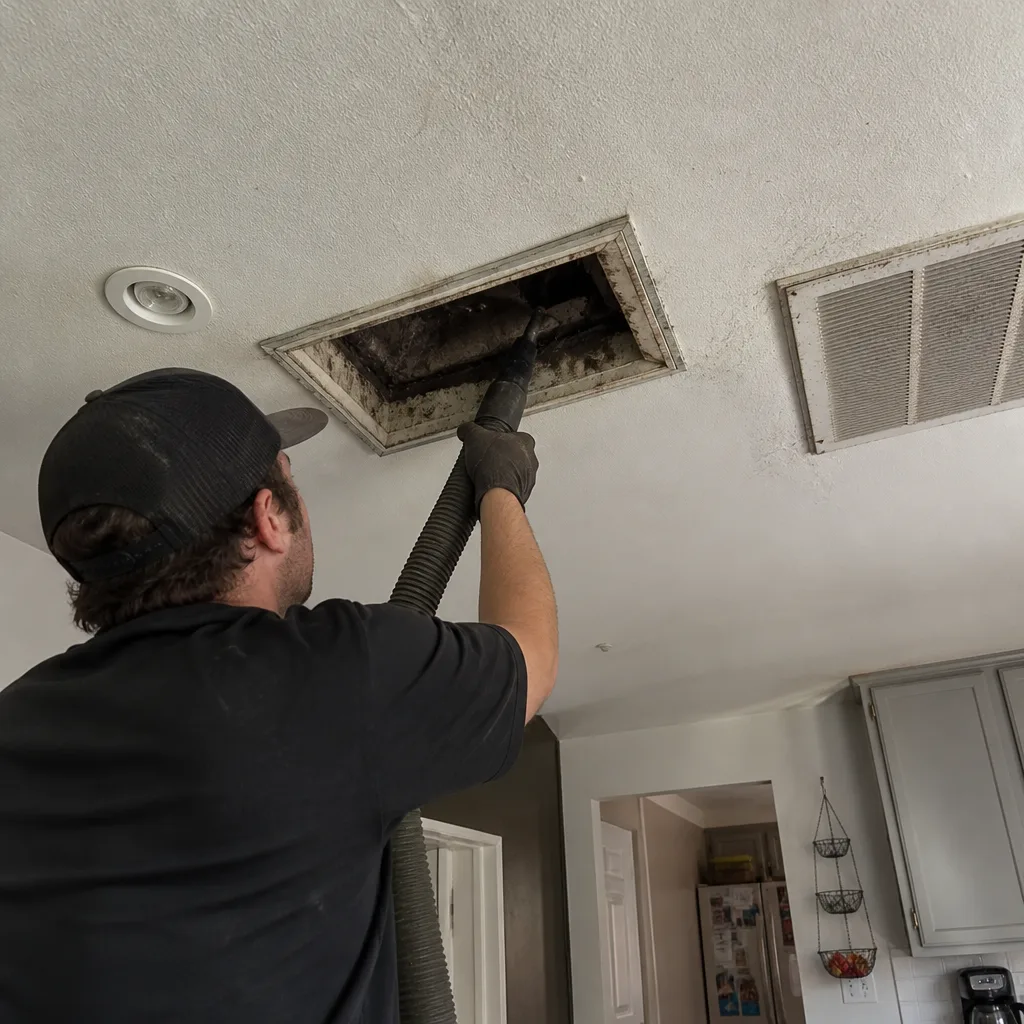 Before
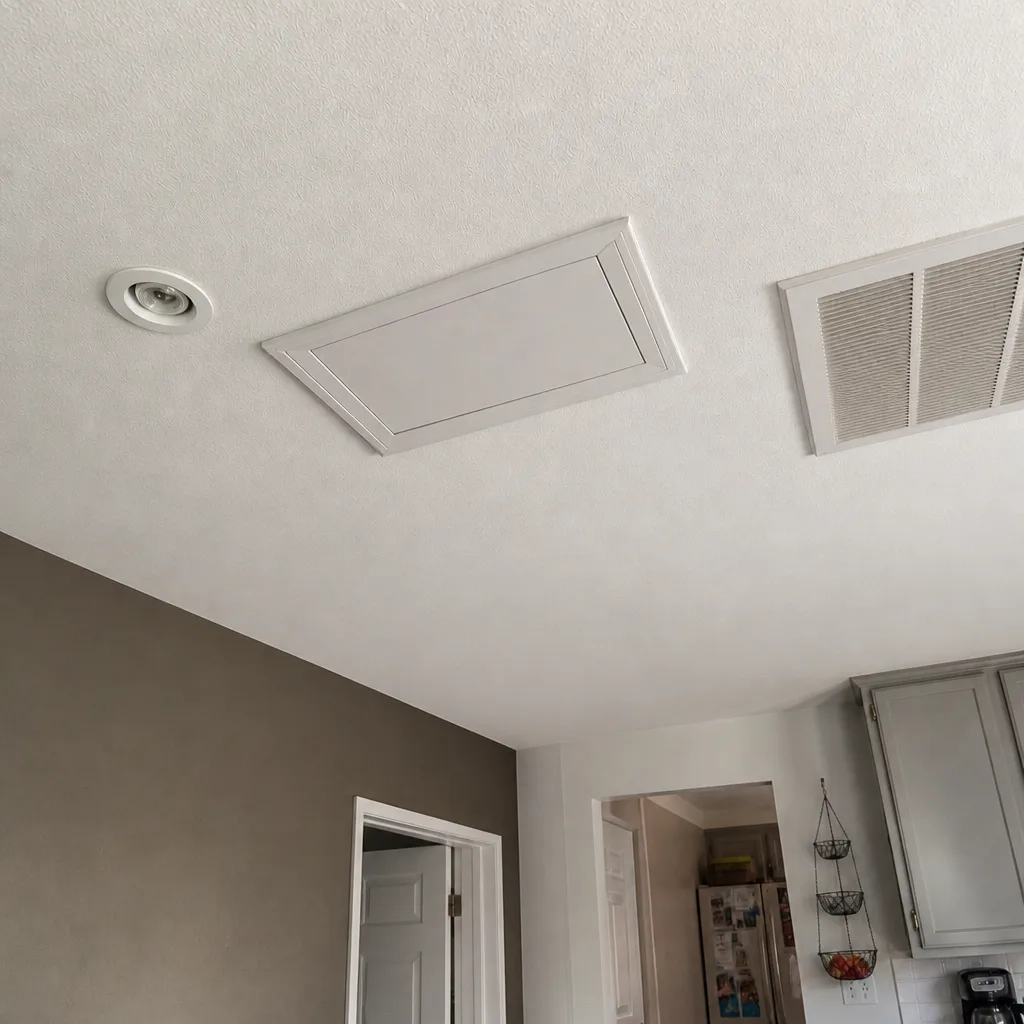 After
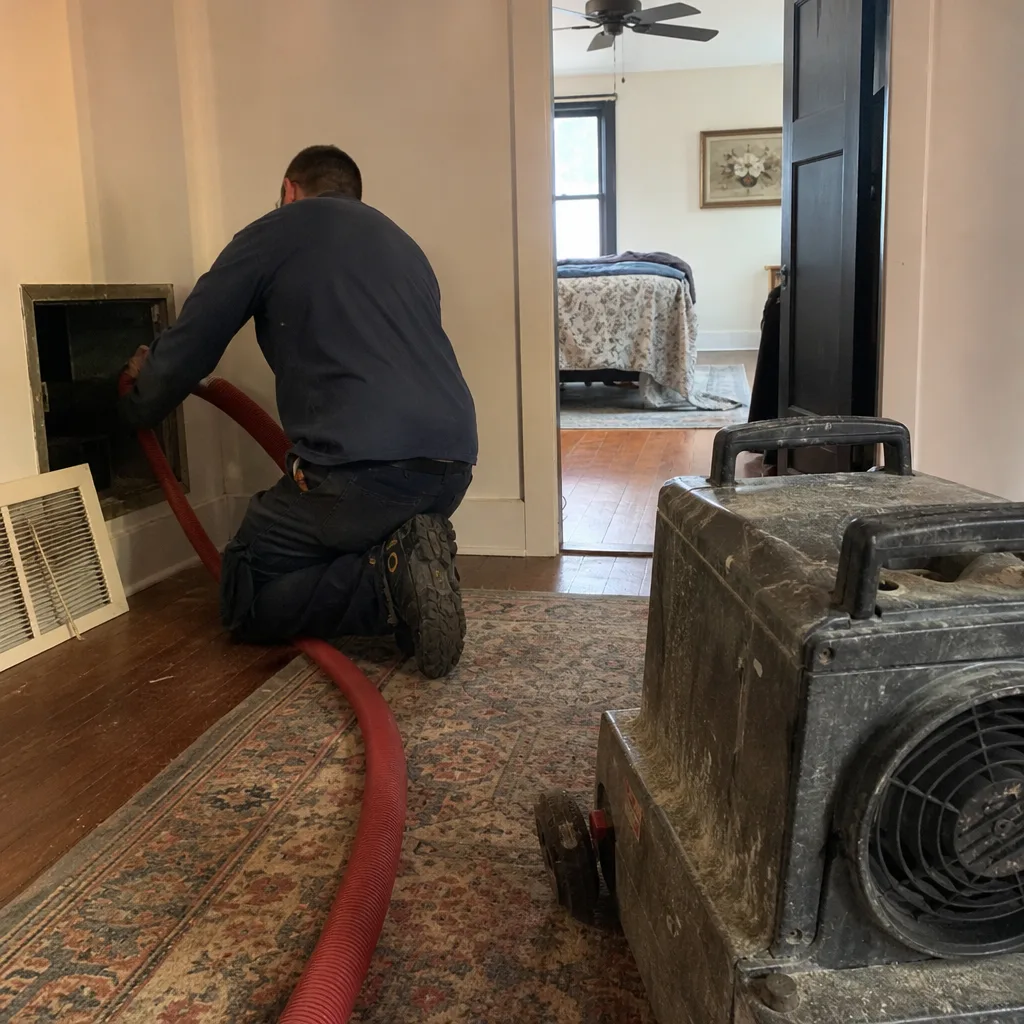 Before
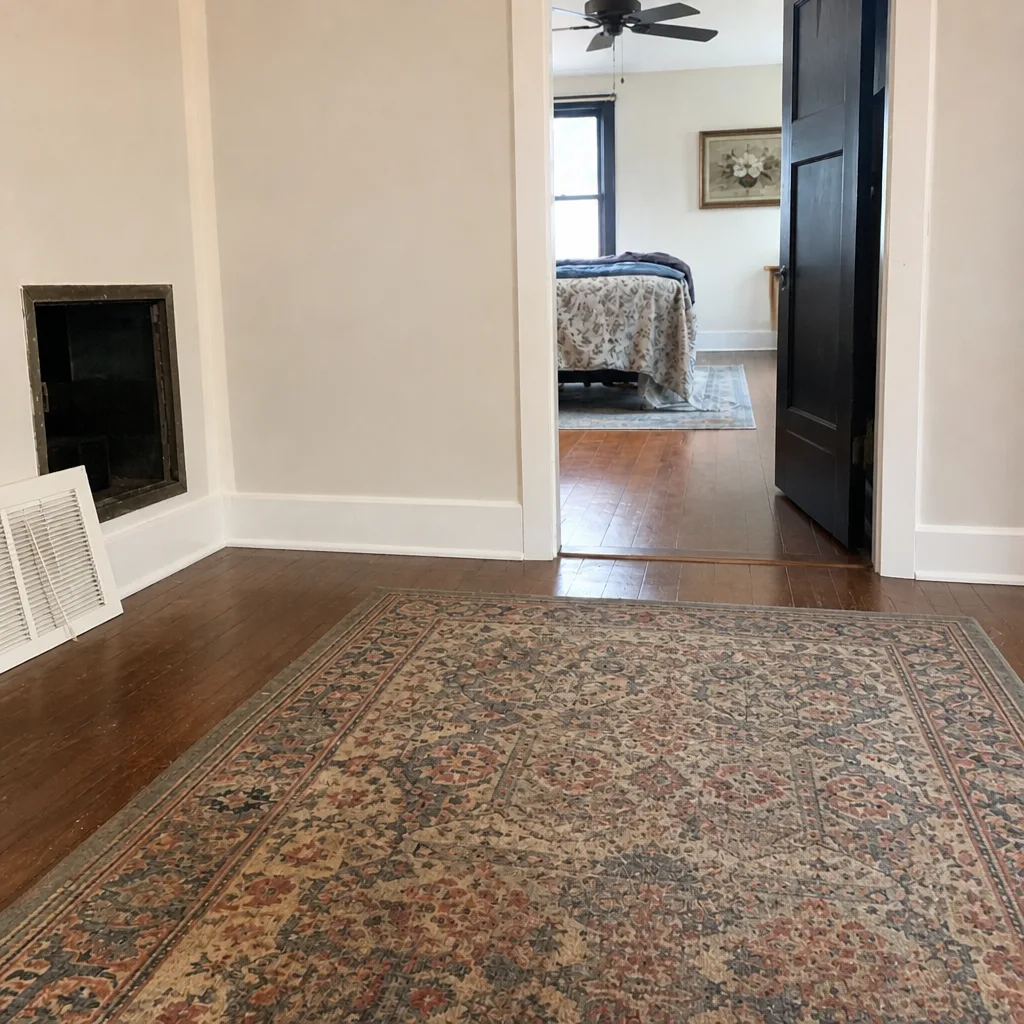 After
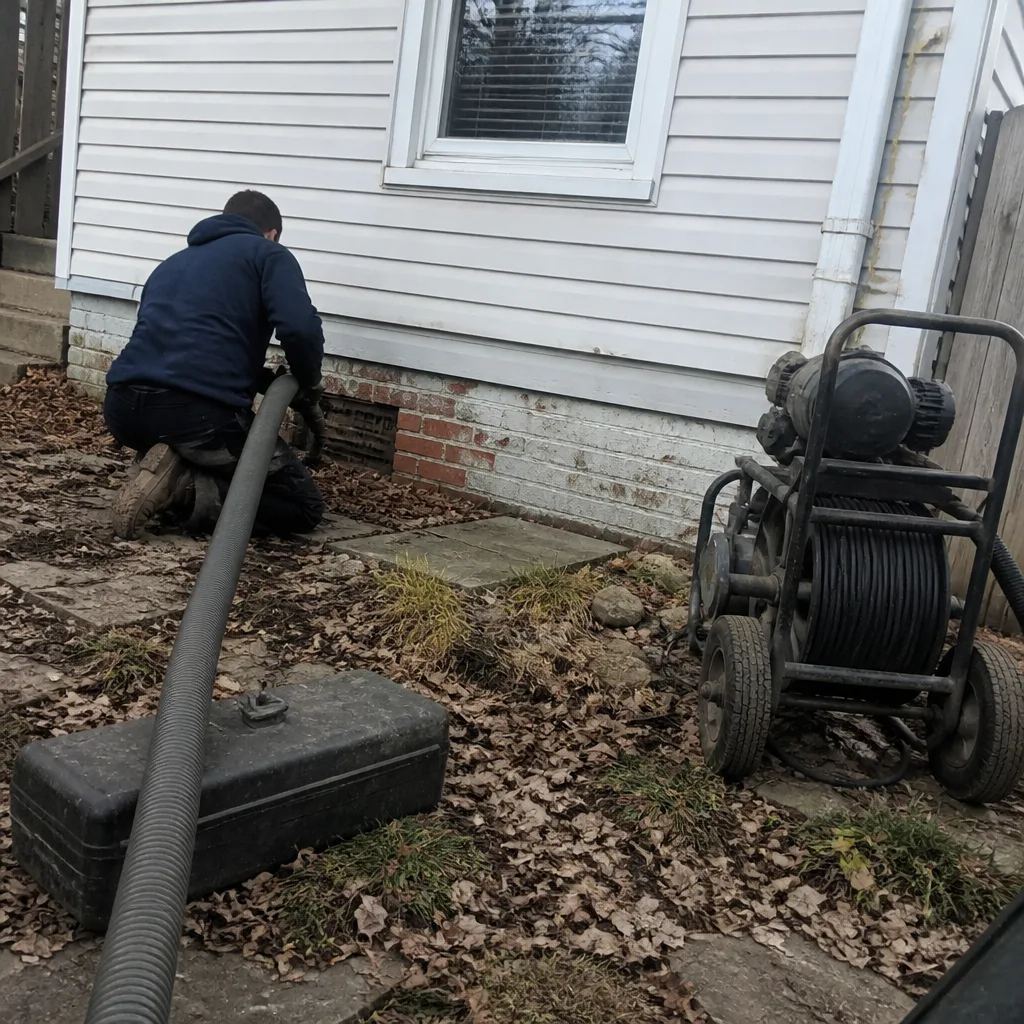 Before
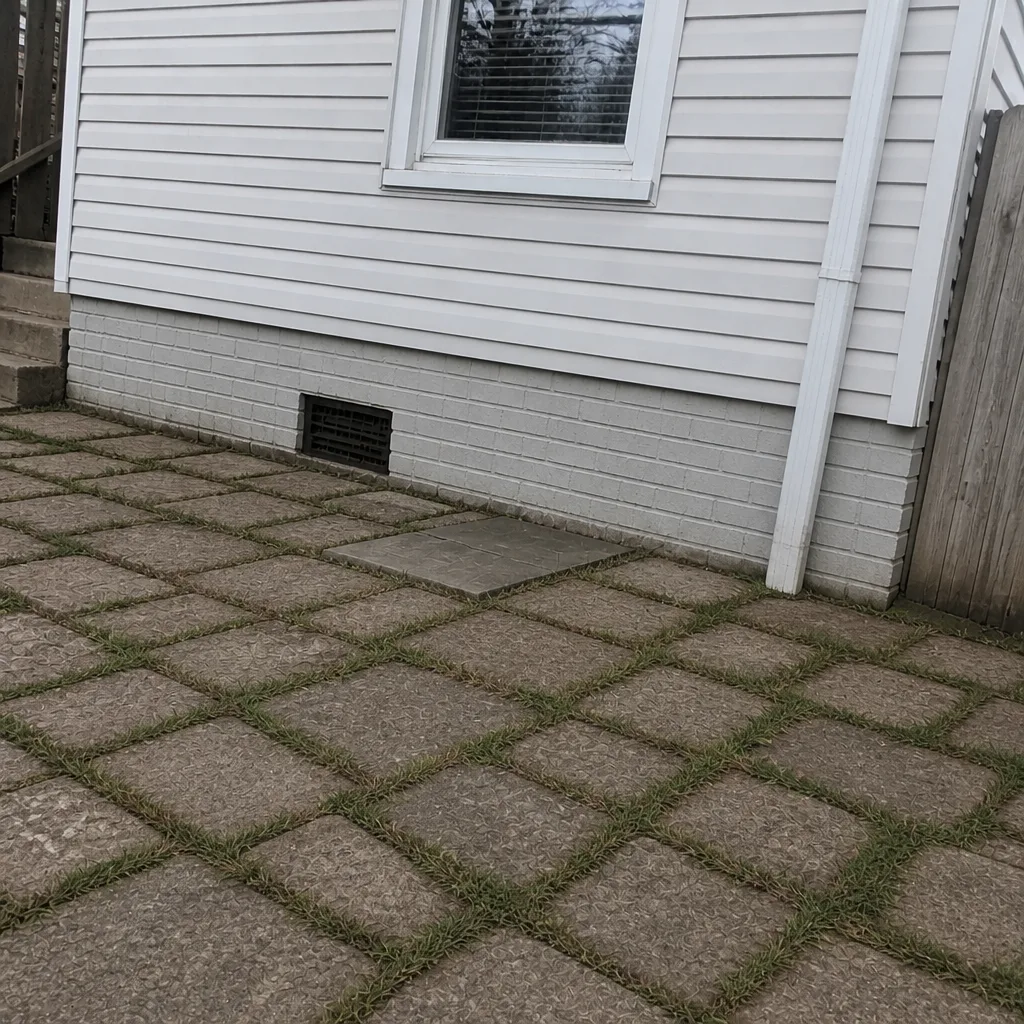 After
Cleaning and Sealing: Where the Two Come Together
For most East Nashville duct problems, the honest answer lives between two services rather than inside one. Our air duct cleaning East Nashville service handles contamination and debris. Our air duct cleaning scope includes the mechanical agitation and HEPA extraction needed for a proper clean, using Rotobrush rotary brushes and Nikro HEPA-rated vacuums rather than a repurposed shop-vac. When the inspection turns up leaks, collapsed runs, or torn jacket insulation, our HVAC cleaning scope extends into repair and sealing work so the system stops re-contaminating itself after it’s cleaned.
The mechanical difference matters. Rotary brushes actually scrub the duct interior. A shop-vac pulls the loose dust off the surface and leaves the adhered debris behind. If you’ve had a cleaning before and your ducts look just as dust-loaded the next season, that’s the difference you were probably feeling rather than seeing.
Our technicians have up to 13 years of experience with residential duct systems, including the specific retrofit failures that show up in East Nashville’s older Craftsman, shotgun, and mid-century homes. We answer 24/7. Fast dispatch from 7am to 7pm, Sunday through Friday.
When to Call a Professional
Some duct problems are clearly a professional job the moment you identify them, and some can wait. Call us when:
- Any room in the house won’t heat or cool properly and the HVAC system has been serviced recently.
- You smell a musty or earthy odor coming from a specific register or from the whole house.
- You’ve had a cleaning before and dust is already back after a few weeks.
- You see visible moisture, stains, or damp patches near ducts in the attic or crawlspace.
- You bought a home in East Nashville that’s never had documented duct service – even if there’s no complaint yet, an inspection is worth the visit.
- Your dryer vent hasn’t been cleaned in over a year, or the dryer takes two cycles to dry a load.
Air Duct Cleaning East Nashville offers free estimates in East Nashville – call (877) 417-5183. Every estimate is a flat price per system, agreed in writing before work starts, and comes with before-and-after photos so you can see exactly what was removed and what was repaired. Air Duct Cleaning East Nashville connects homeowners with independent local professionals who are licensed as their state requires and insured and bonded. Call (877) 417-5183. We answer 24/7. Fast dispatch from 7am to 7pm, Sunday through Friday.
Frequently Asked Questions
You tell them apart with a static pressure reading and a camera inspection. If the ducts are visibly contaminated and static pressure is within the air handler’s rated range, it’s a cleaning problem. If static pressure is high and cleaning doesn’t move it, the restriction is structural – collapsed flex, a disconnected run, or an undersized trunk – and the answer is repair and sealing, not a second cleaning. Call (877) 417-5183 to schedule an inspection – estimates are free.
Because they’re a per-vent teaser price that rarely survives the first hour on site. The quote that shows up at $99 via a coupon becomes a several-hundred-dollar invoice once the technician is inside and finds “additional work needed.” We don’t quote per vent and we don’t use coupon pricing. You get a flat price per system, agreed in writing before work begins, with before-and-after photos of your own ducts. Call (877) 417-5183 for a free estimate.
Most homes go several years between cleanings if the system is sealed and the filter is changed on schedule. Homes with pets, recent renovations, or return chases that pull from framing cavities are on a shorter cycle. If your ducts were professionally cleaned and the same dust is back within a month, the real problem is a leak, not a cleaning frequency. Call (877) 417-5183 and we’ll inspect before we schedule anything.
Ask for before-and-after photos of your own ducts, and be present for the camera inspection. A proper cleaning crew will show you what’s inside before the work starts and confirm the condition afterward. Our process includes photo documentation of the interior runs, and we use Abatement Technologies filtration during the job so the debris stays contained. If you can’t see evidence, you can’t verify, and you shouldn’t accept the invoice.
It’s usually the duct, and specifically a collapsed or disconnected flex run feeding that room. Older East Nashville homes were retrofitted with central air after construction, so flex duct was often routed through tight chases with minimal support. A camera inspection of that specific run answers the question in under an hour. If it’s collapsed, cleaning won’t fix it – section replacement is the honest service. Call (877) 417-5183 for a free inspection and estimate.
Yes. Our dryer vent cleaning service is a standalone safety service, not an add-on. Lint buildup in a dryer vent is a leading cause of residential house fires, and the vent is a completely separate system from your supply ducts. If your last duct cleaning didn’t include the dryer vent, that’s a gap worth closing. Call (877) 417-5183 to book it.
The Bottom Line
Most duct problems respond to one of three fixes: cleaning, sealing, or section replacement. The mistake homeowners make is paying for the wrong one. Get a static pressure reading and a camera inspection before you spend money. Read your symptoms against the matrix – musty smell points to contamination, weak airflow points to a collapsed or disconnected run, dust returning quickly points to a leak. East Nashville’s older Craftsman and shotgun homes fail in specific patterns tied to their retrofit history, and a technician who knows those patterns will spot them faster. Then verify the work with a tissue-paper test and a register wipe, and keep an eye on the dryer vent as a separate fire-safety system. If you’re not sure which service you need, get an honest answer before the invoice forces the issue.
Written by the team at Air Duct Cleaning East Nashville.