
Last updated November 23, 2026
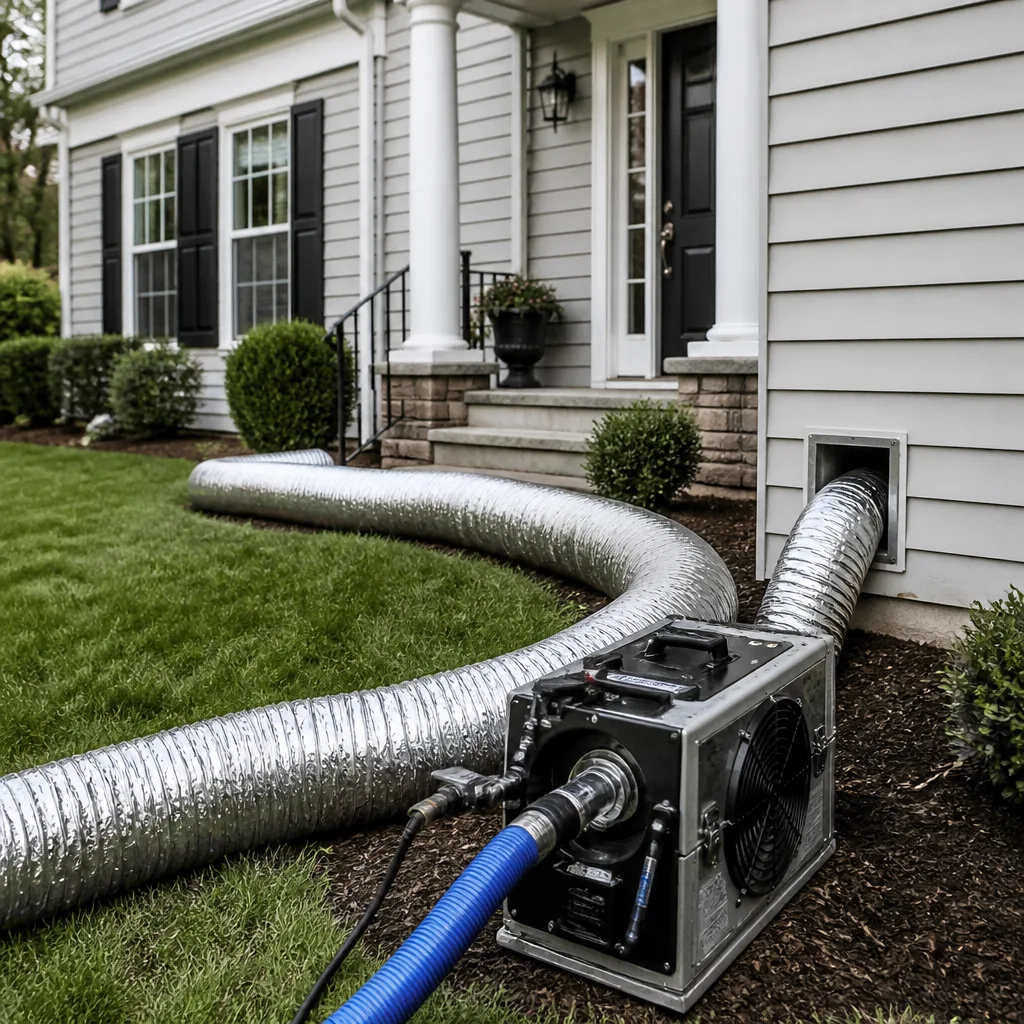 Whole-home duct cleaning
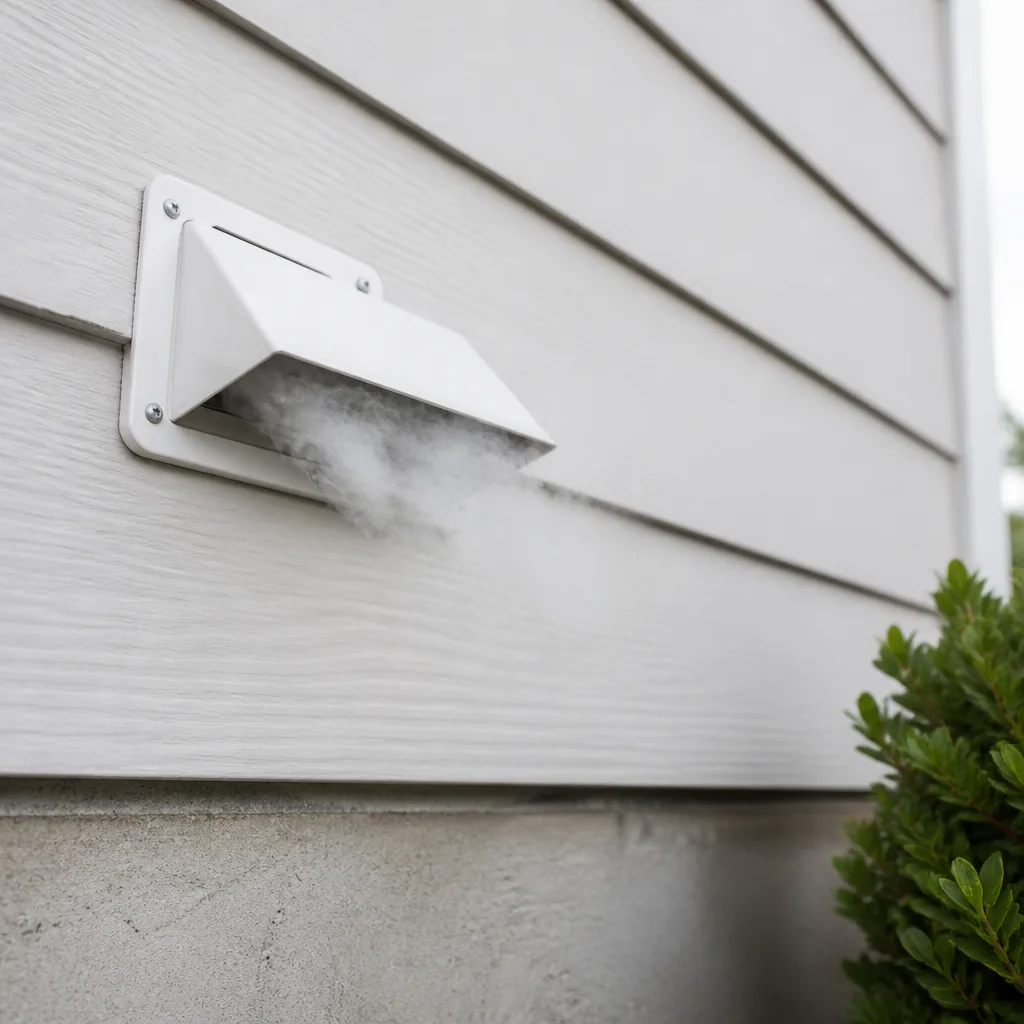 Dryer vent cleaning
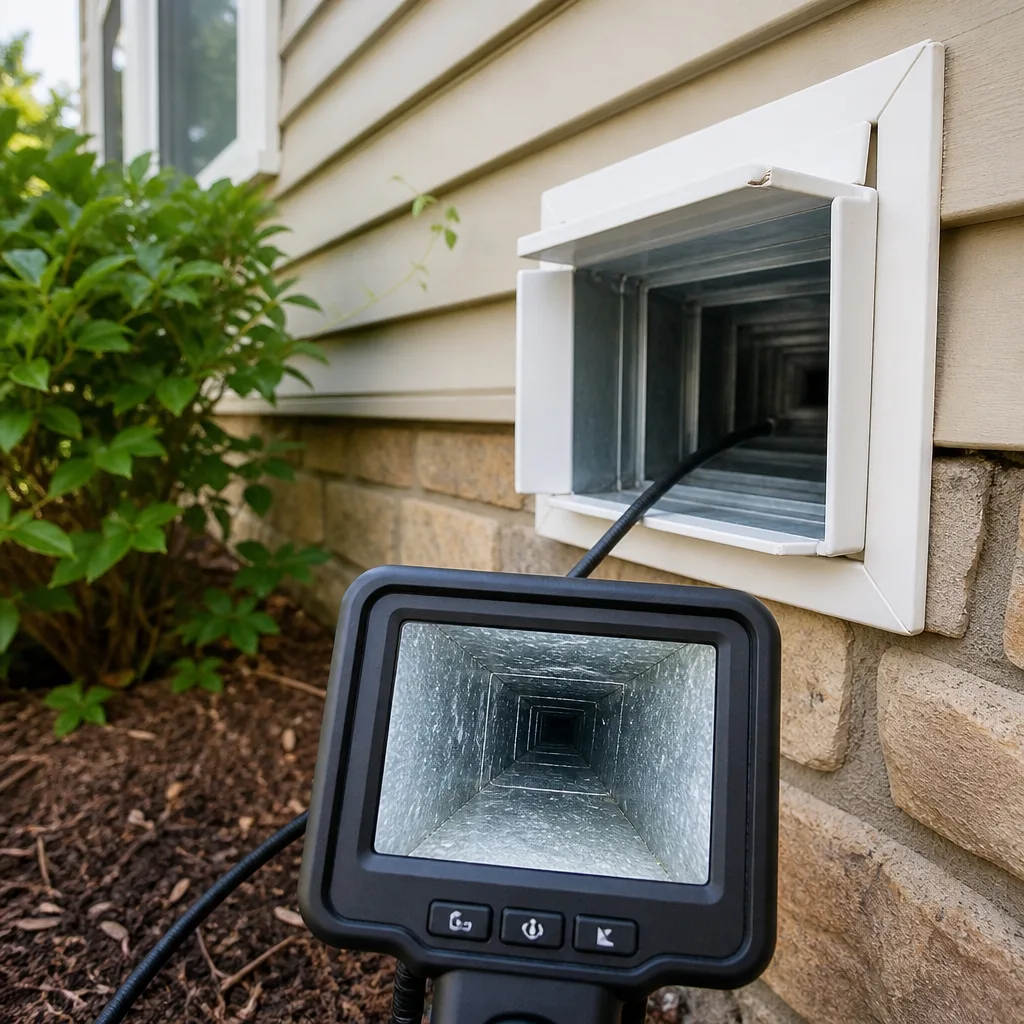 Camera inspection
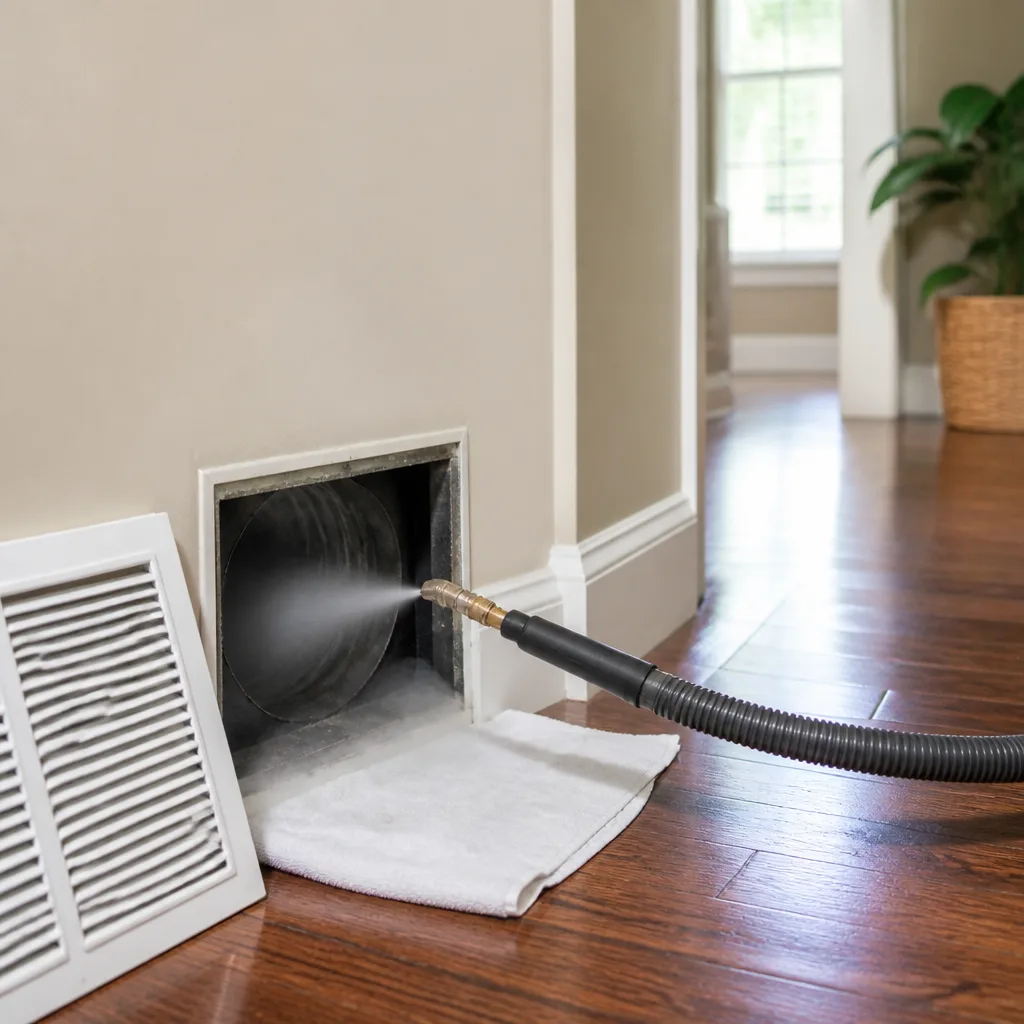 Sanitizing & deodorizing
Whole-system duct and dryer vent check with before-and-after photos - you see exactly what came out of your vents
That "$99 whole-house special" is a bait ad - the real number appears once they are in your hallway, or the "clean" is a shop-vac at the register. We photograph the inside of your ducts before and after instead.
Air Duct Cleaning Emergency Preparedness Guide for East Nashville Homes
Most East Nashville homeowners think about ductwork only when something else has already gone wrong. The floors are wet, the ceiling is down, the smoke smell won’t leave, and the HVAC system is the last thing on anyone’s mind. That’s the mistake. After a flood, ductwork that ran through a crawl space that took on water becomes a distribution system for whatever grew in that standing moisture, and it will circulate through your house the moment the HVAC kicks back on. This guide covers what to do with your HVAC and duct system before, during, and after the emergencies East Nashville actually lives through: tornadoes, flash flooding, and house fires.
Quick Answer
After a flood, storm, or fire in East Nashville, do not restart your HVAC system until the ductwork has been inspected and, if needed, cleaned and dried. Contaminants pulled into ducts during a disaster get pushed into every room the moment the system runs, so the correct order is inspect first, clean second, restart last. For a comprehensive walkthrough of the full service, see our air duct cleaning East Nashville page.
Styles & brands we work with
- Whole-home duct cleaning
- Dryer vent cleaning
- Camera inspection
- Sanitizing & deodorizing
Table of Contents
- Post-Flood Protocol for Duct Systems With Crawl-Space Runs
- What Tornado and Storm Debris Does Inside Ductwork
- Fire and Smoke Damage: Why It Needs Different Equipment
- Pre-Storm Preparation for Your Duct System
- How to Document Duct Damage for Insurance
- The Restart Checklist: Before You Turn the System Back On
- Dryer Vents: The Overlooked Emergency Risk
- When to Call a Professional
Post-Flood Protocol for Duct Systems With Crawl-Space Runs
Flooding in East Nashville doesn’t always announce itself the way people expect. A creek that jumps its banks, a storm drain that backs up, a low-lying yard that holds water for two days after the rain stops. When water reaches a crawl space and your ductwork runs through it, the ducts become a moisture trap. Insulated flex duct holds water in the insulation jacket. Sheet metal sweats. And whatever was already settled in the ducts now has the moisture it needs to grow.
The sequence matters more than the speed. Here’s the order we’d follow:
- Photograph everything before you touch it. Water lines on the duct insulation, standing water in the crawl space, visible debris. You’ll need these for insurance.
- Keep the HVAC system off. Not on fan-only mode, not on circulate. Off. Running the blower pushes moisture and any microbial growth through the entire house.
- Get the standing water out of the crawl space and start drying it. Ducts can’t dry while the space around them stays wet.
- Have the duct system inspected before any cleaning. Insulated duct that has been submerged often can’t be cleaned back to a safe condition and needs replacement rather than cleaning.
- Clean, sanitize, then restart. Cleaning removes the debris and growth. A sanitizing treatment using Honeywell or Aprilaire-compatible products addresses what’s left at the source. Only then does the system go back on.
Skipping step two is the most common and most costly mistake. We’ve seen homeowners dry out a crawl space, turn the system on to “test it,” and undo days of drying work in an afternoon. If you’re not sure whether water reached your ducts, that’s a call worth making before the system runs again.
What Tornado and Storm Debris Does Inside Ductwork
Tornado exposure is part of living in East Nashville. Even a storm that doesn’t put a tornado on the ground can drive wind-blown debris into a home’s duct system through openings most homeowners never think about. The return-air grille on an exterior wall. A fresh-air intake. The gap where a filter sits loose in its frame. A disconnected duct in the attic that a strong gust finds.
What gets pulled in during a severe storm usually falls into a few categories:
- Insulation fibers torn from attic or wall cavities that lost their covering
- Roof grit and shingle granules driven in through attic penetrations
- Fine soil and dust carried in on wind and pulled into return air
- Leaf and plant material near ground-level intakes or crawl-space openings
- Water from driven rain entering through a compromised penetration
Debris that settles in the ducts doesn’t stay settled. Every time the blower runs, a portion of it re-enters the living space. It collects on the evaporator coil, which is one of the reasons an older system starts running harder after a big storm. A professional air duct cleaning service after storm damage addresses the source rather than the symptoms. Rotary-brush agitation from equipment like a Rotobrush system loosens what’s bonded to the duct walls, and a HEPA-rated Nikro vacuum pulls it out under containment. Wiping a grille or vacuuming a return doesn’t reach what’s sitting ten feet down the trunk line.
Fire and Smoke Damage: Why It Needs Different Equipment
Smoke residue isn’t dust. It’s a mix of fine particulates, soot, and acidic compounds that bond to surfaces and penetrate porous materials, including the inside of your ductwork. After any fire in an East Nashville home, even a contained kitchen fire, the HVAC system becomes a distribution channel for smoke residue that settled into the ducts while the system was running or after it stopped.
This is the job where equipment matters most. Routine duct cleaning with a standard setup isn’t enough for post-fire work, because the priority shifts from removing loose debris to containing and removing fine soot without spreading it through the house. Two things change:
- Containment comes first. Abatement Technologies negative-air and filtration devices keep soot particles out of the living space while the work is happening. Without them, cleaning the ducts can push residue into rooms that were previously clean.
- Extraction has to be fine enough for soot. HEPA-rated extraction captures what a standard vacuum would blow back into the air. Nikro equipment is built for this, and it’s a different class of machine than a shop vacuum.
Odor is the tell. If a home still smells like smoke weeks after the fire was cleaned up, the ducts are usually why. A sanitizing treatment addresses the residual odor at the source rather than covering it. The full scope of that kind of job is worth understanding before you accept any quote that treats post-fire ductwork like routine cleaning; our HVAC cleaning work covers the system components, and post-fire duct cleaning is a separate, more demanding protocol that follows it.
Pre-Storm Preparation for Your Duct System
Before storm season, there are a few things you can do to limit how much contamination your duct system takes on. None of them are complicated, and all of them make the after-storm assessment easier.
- Walk the attic and check every duct connection. Look for disconnected joints, torn insulation jackets, and gaps at the air handler. A disconnected duct in an attic is an open door for wind-driven debris.
- Seal exterior penetrations. Fresh-air intakes and exterior return grilles should have intact screens and proper covers. If a penetration is damaged, seal it before the next storm.
- Check the filter fit. A filter that doesn’t seat properly lets unfiltered air bypass into the system. Replace it and confirm it sits flush.
- Know your shutdown procedure. Before a storm arrives, know where the breaker or service switch for the HVAC system is. After the storm passes, if there’s any chance water or debris entered the system, leave it off until it’s inspected.
- Photograph the duct system while it’s clean. Attic duct runs, the air handler, the return grilles. Clean pre-storm photos make post-storm damage documentation far easier for an adjuster to read.
The shutdown point is the one people skip. If a storm drives water into a crawl space or attic, the last thing you want is the blower running through it while you sort out the rest of the house. Turn it off, then assess. Sealing and repair work done before storm season pays for itself in the cleanup you don’t have to do; duct repair and sealing is how we handle the root causes rather than just the symptoms.
How to Document Duct Damage for Insurance
Insurers process property claims on evidence. Duct damage that isn’t photographed and described in professional terms often gets overlooked or denied as “not related” to the covered event. Here’s what to capture before anything gets cleaned or removed:
- Wide shots first. The crawl space or attic from the entry point, showing the extent of water or debris.
- Water lines. Close-ups of the water line on duct insulation and on nearby structural elements. Water lines tell the adjuster how deep the water got.
- Chutes of the duct system. Return and supply runs, connections, and the air handler. Photograph any disconnected or damaged sections with a tape measure in frame if the size matters.
- A note on the HVAC system’s status. Document when the system was last run and whether it was shut off after the event. Adjusters ask.
- Debris samples that show the type. A clear photo of visible debris in a duct opening helps establish the source.
For the written side, ask for an assessment that uses clear technical language. “The insulated flex supply run in the east crawl space was submerged to approximately eight inches; insulation is saturated and the duct interior shows visible microbial growth” goes further with an adjuster than “the ducts are damaged and need cleaning.” A professional assessment should name the affected components, describe what was found, and state whether cleaning or replacement is appropriate. Take a look at what a documented inspection covers here: air duct cleaning East Nashville. The photos and report matter as much as the work.
The Restart Checklist: Before You Turn the System Back On
This is the step East Nashville homeowners most often rush, usually because the house is getting warm or the family wants to get back to normal. Don’t. A quick checklist keeps you from turning a cleanup problem into a whole-house problem.
- Confirm the crawl space or attic is dry. Damp building materials will re-wet your ducts as soon as the blower starts pulling air through them.
- Check the air filter and replace it. A filter loaded with storm debris or smoke residue won’t do its job.
- Confirm no duct runs are disconnected or crushed. A crushed run starves the system, and a disconnected one vents into a crawl space or attic.
- Have visible contamination assessed. If you can see debris, moisture staining, or growth inside a grille or at a disconnected duct, don’t restart the system until it’s been evaluated.
- Run the system briefly once it’s cleared. Note any odors, unusual sounds, or weak airflow. Those are the signals that something is still wrong.
If cleaning was done, ask for before-and-after photographs of your own ducts. Flat prices per system, agreed in writing before the work starts, are the norm for a professional job; per-vent pricing and coupon prices that grow once the technician is on site are a real industry problem. Ask what will be done, how it will be documented, and what the price covers before the work begins.
Dryer Vents: The Overlooked Emergency Risk
The duct system isn’t the only ventilation path in the house. A clogged dryer vent is a fire risk that builds up quietly, and after a storm or renovation, lint and debris can pack a vent that was already marginal. In homes where the vent runs a long distance or has multiple elbows, lint collects faster and is harder to see.
After any construction, storm, or long stretch of use, have the vent inspected. Cleaning removes the built-up lint and confirms the vent is actually exhausted to the outside. Dryer vent cleaning is on our service menu because it’s a standalone safety service, not a comfort upgrade; a house with a compromised dryer vent has a fire risk that has nothing to do with indoor air quality. You can see what that service includes at dryer vent cleaning.
When to Call a Professional
Most duct emergencies are obvious in hindsight and easy to miss in the moment. Call a professional if any of the following is true: water reached a crawl space or attic where duct runs are located; the system was running during a fire or during a storm that drove debris indoors; visible debris, moisture staining, or growth is present inside a grille or duct run; a burned or smoky odor won’t clear weeks after the event; the system short-cycles or airflow has dropped noticeably after a storm; or a dryer vent hasn’t been inspected in a long time. A documented inspection and professional cleaning are the difference between fixing the problem and moving contamination through the house. Air Duct Cleaning East Nashville offers free estimates in East Nashville and works with your insurer on documented damage. Call (877) 417-5183 to start the assessment.
See the difference
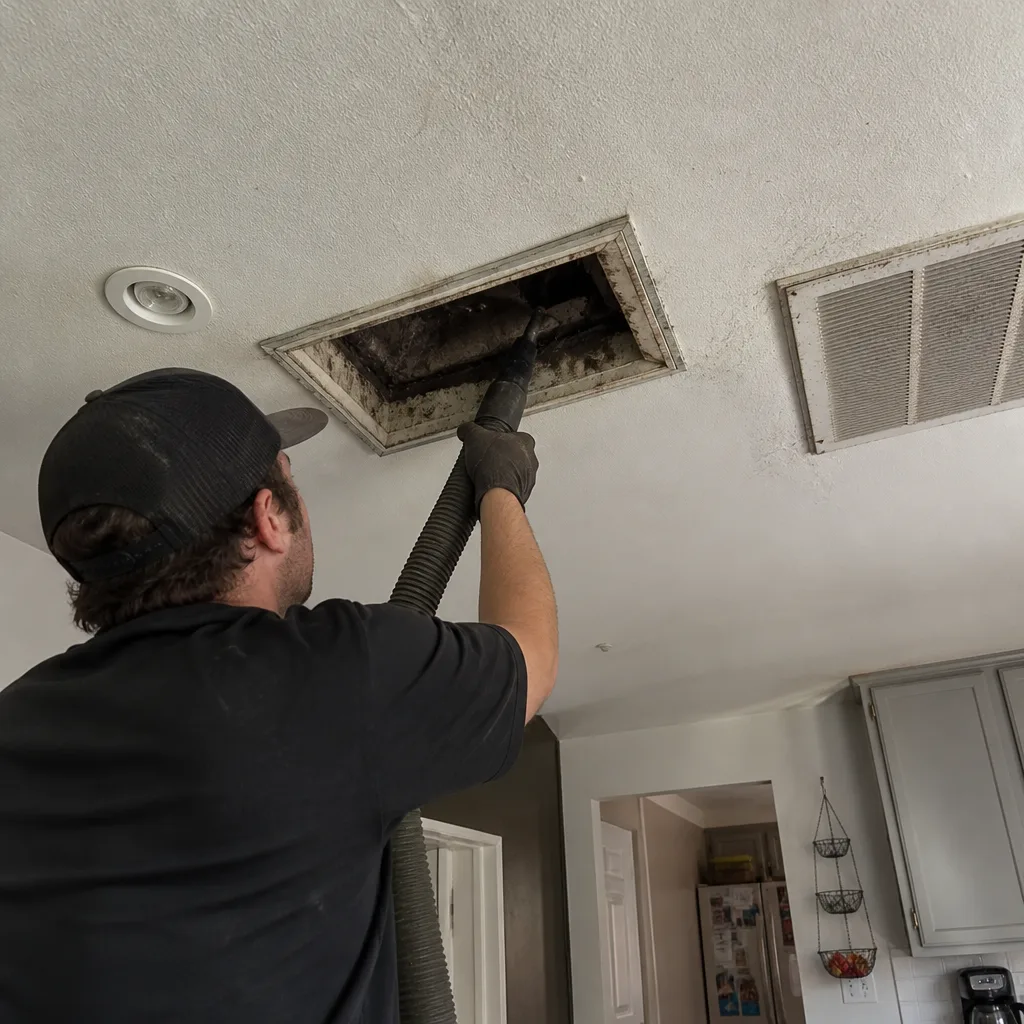 Before
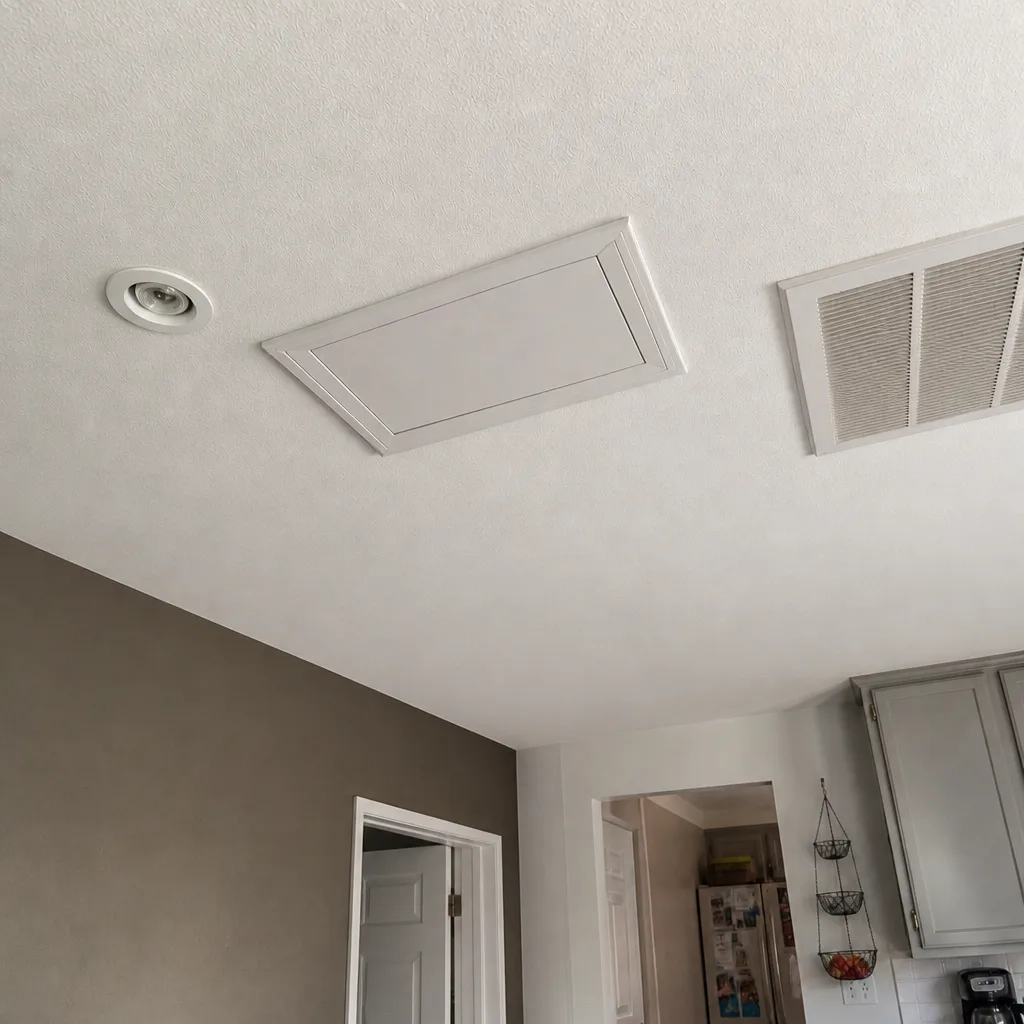 After
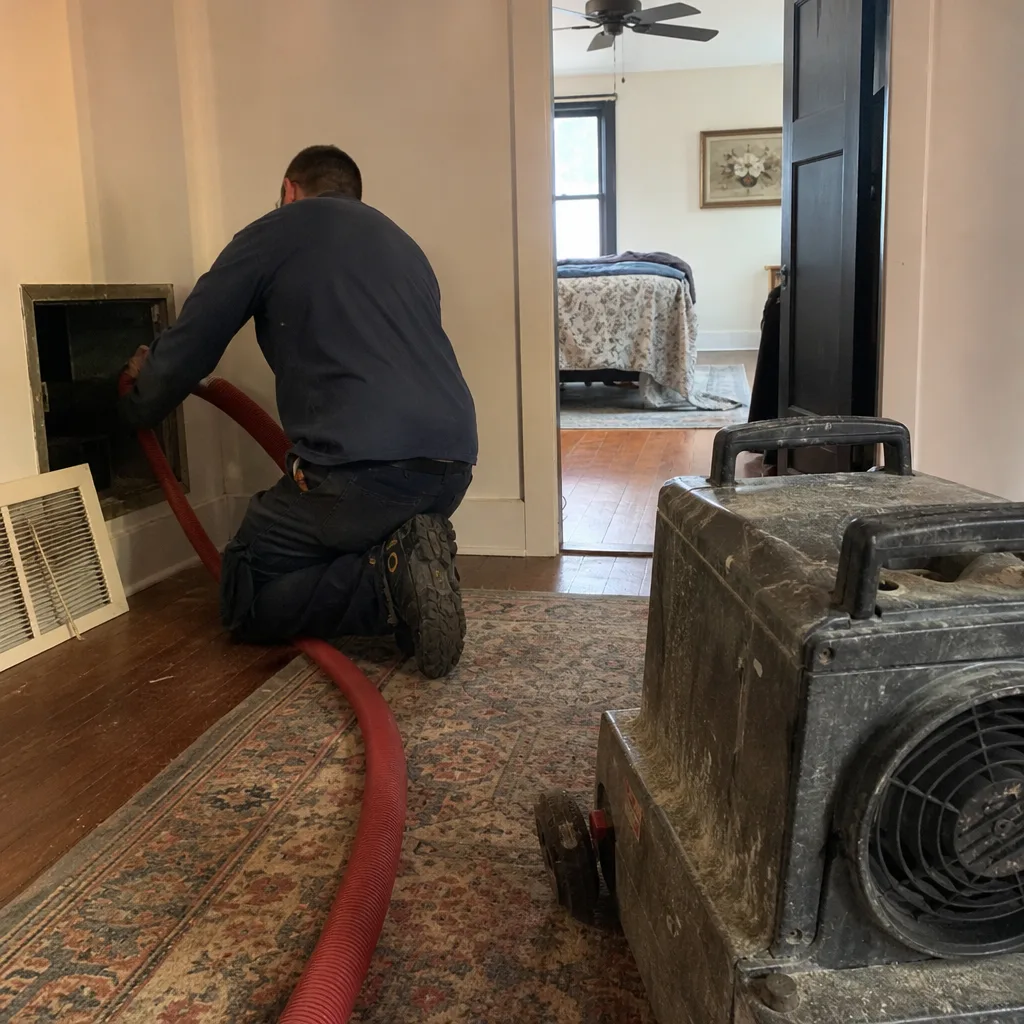 Before
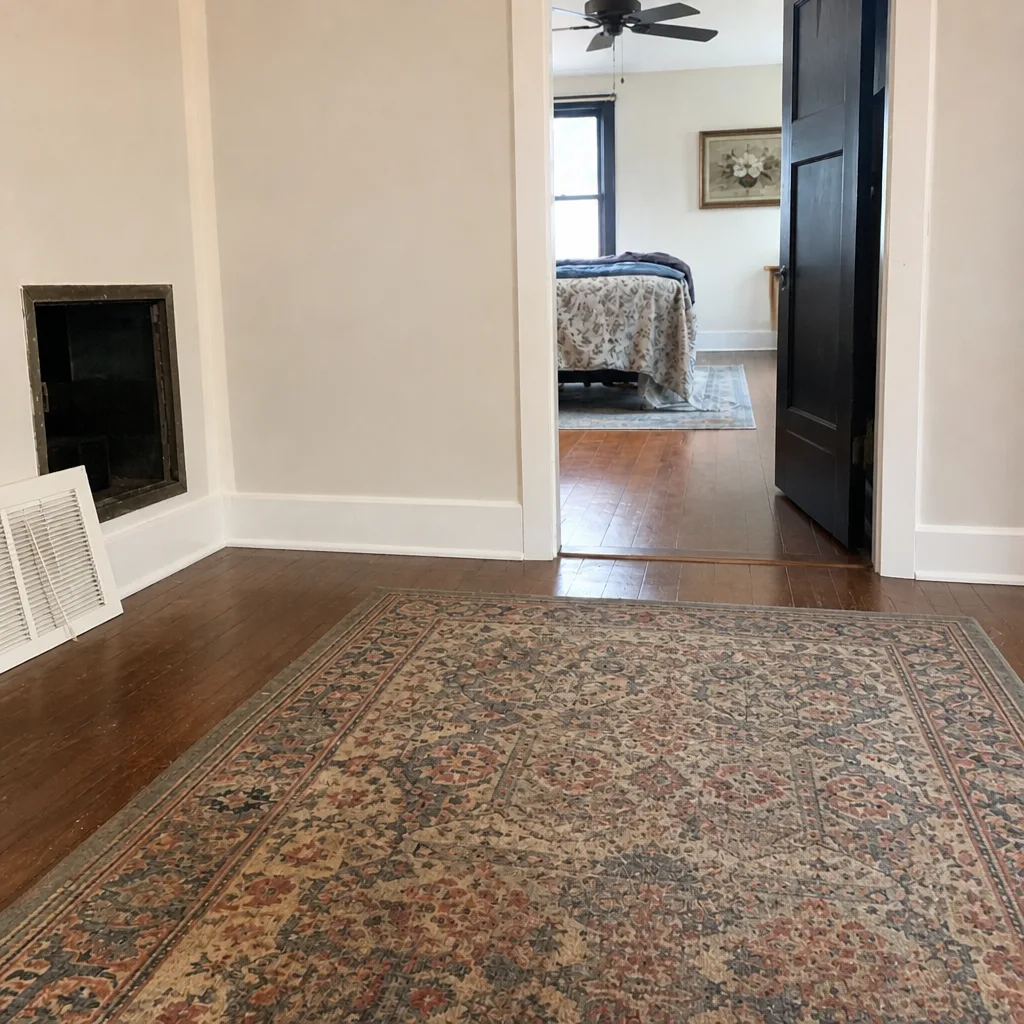 After
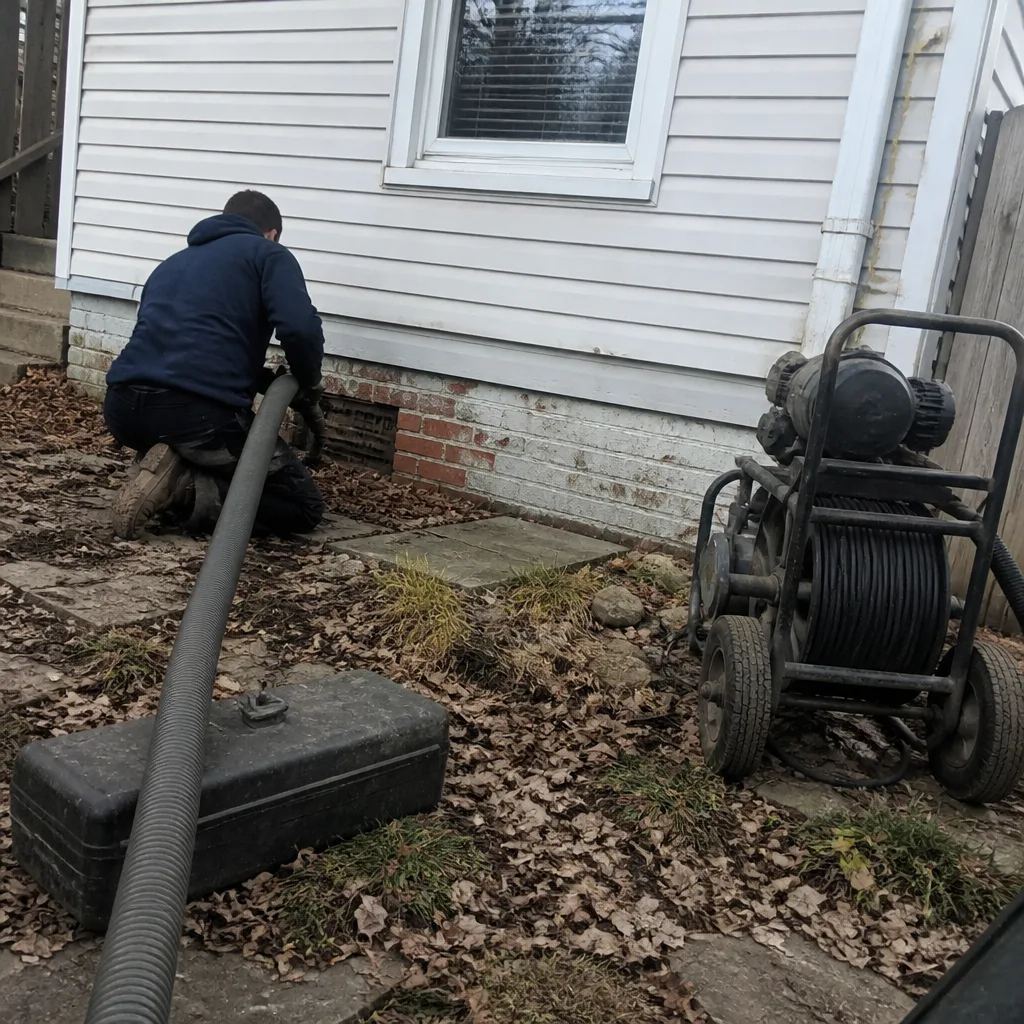 Before
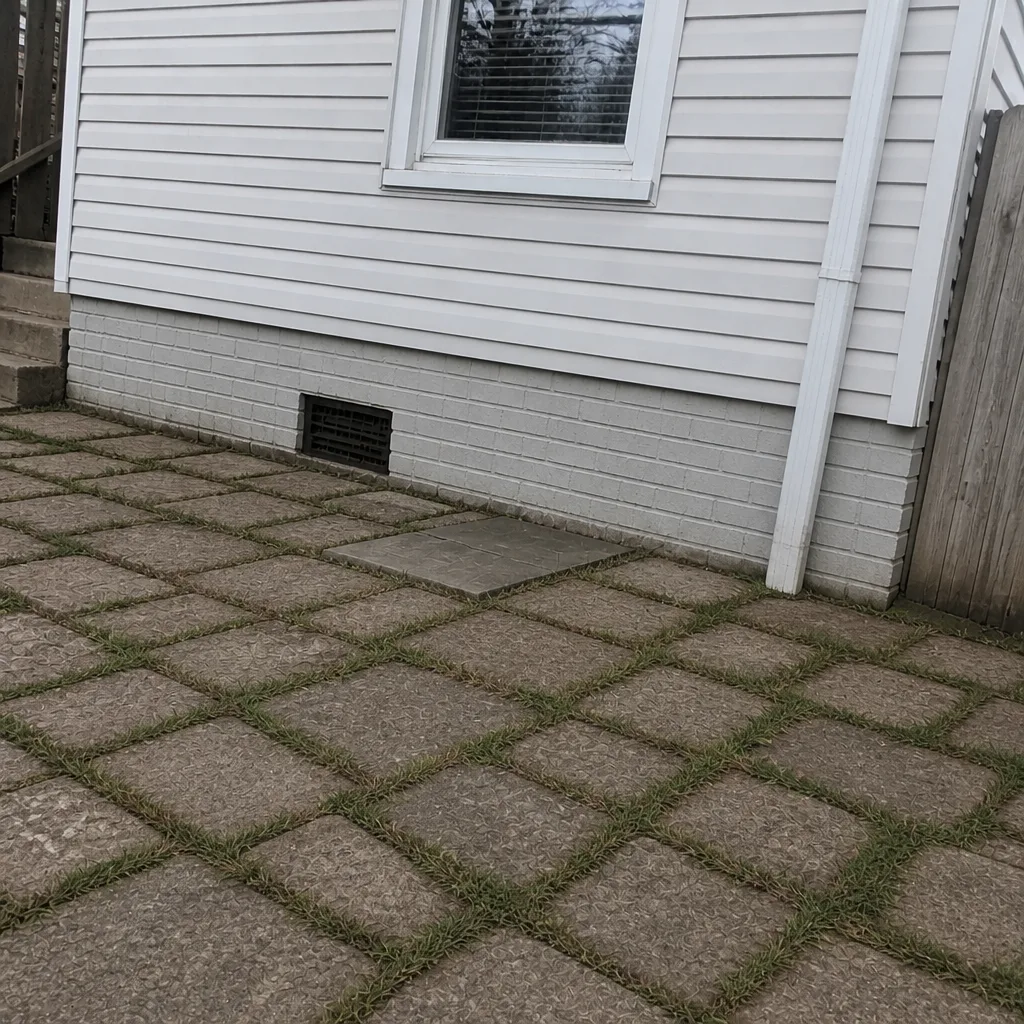 After
Frequently Asked Questions
If water reached your crawl space, attic, or the ducts themselves, you need an inspection before the system is restarted, and cleaning or replacement depending on what’s found. Submerged insulated flex duct often needs replacement rather than cleaning, while surface debris and moisture in sheet metal runs can be cleaned and sanitized. Call (877) 417-5183 for an exact quote; estimates are free.
Air duct cleaning in East Nashville is priced per system rather than per vent, with the price set by a written estimate before work begins. Whole-system cleaning, sanitizing, and any repair or sealing are quoted together so the final number reflects the actual job, not a teaser rate that grows on site. Call (877) 417-5183 for an exact quote; estimates are free.
Cheap quotes usually cover less work: less time in the system, less equipment, and no containment, which is why the price can look dramatically lower. Ask what equipment will be used, whether negative-air containment is part of the job, and whether before-and-after photos of your own ducts will be provided. Call (877) 417-5183 for an exact quote; estimates are free.
No, not until you’ve confirmed the crawl space or attic is dry and no duct runs are disconnected or crushed. Running the blower through a wet or debris-filled system pushes whatever is in the ducts into every room. The system stays off until the inspection is done.
Ask for before-and-after photos of your own ducts, an itemized description of the work performed, and confirmation of what was sanitized or repaired. A professional job includes documented findings from the system, not just a final invoice. Call (877) 417-5183 for an exact quote; estimates are free.
Under normal conditions, most homes go several years between cleanings. After a flood, fire, or severe storm, the schedule resets: any event that introduced water, debris, or smoke into the system calls for an inspection and cleaning right away, regardless of how recently the ducts were last serviced. Call (877) 417-5183 for an exact quote; estimates are free.
Common Mistakes to Avoid
- Running the HVAC to “test it” after a flood. This is the single most common mistake we see after storm damage. It pushes moisture and contamination through the whole house in minutes and undoes the drying work inside the crawl space.
- Assuming a shop vacuum can do the job. Any restoration task of this scale, from a flooded crawl space to a post-fire duct system, is a system inspection and cleaning job that requires the right equipment. Shop vacuums spread fine particles rather than capturing them.
- Skipping pre-storm photos. Once the storm is over, clean photos of your duct runs are the easiest evidence an adjuster will accept. Take them while the system is dry and intact.
- Treating post-fire smoke like routine cleaning. Soot residue needs containment and HEPA-rated extraction. A standard cleaning without negative-air protection can re-contaminate rooms that were previously clean.
- Accepting per-vent pricing without understanding the scope. A low per-vent rate that excludes containment, sanitizing, and repair invites a much larger invoice later. Ask for one flat price per system in writing.
- Ignoring the dryer vent. A clogged dryer vent is a fire risk that has nothing to do with your HVAC system, and it gets missed in almost every storm-damage cleanup.
- Forgetting the insurance documentation. Cleaning the ducts before photographing them can make the claim harder to prove. Document first, clean second.
The Bottom Line
East Nashville’s storm and flood history makes ductwork an emergency-response issue, not just a maintenance one. After a flood, storm, or fire, the correct order is always inspect first, clean second, restart last. Photograph everything before the cleanup starts. Keep the HVAC system off until the ductwork has been assessed. Ask for one flat price per system in writing, before-and-after photos of your own ducts, and a documented assessment that names the equipment and the findings. Our technicians have up to 13 years of experience with the equipment these jobs require. Call (877) 417-5183 for a free estimate. We answer 24/7. Fast dispatch from 7am to 7pm.
Written by the team at Air Duct Cleaning East Nashville.