
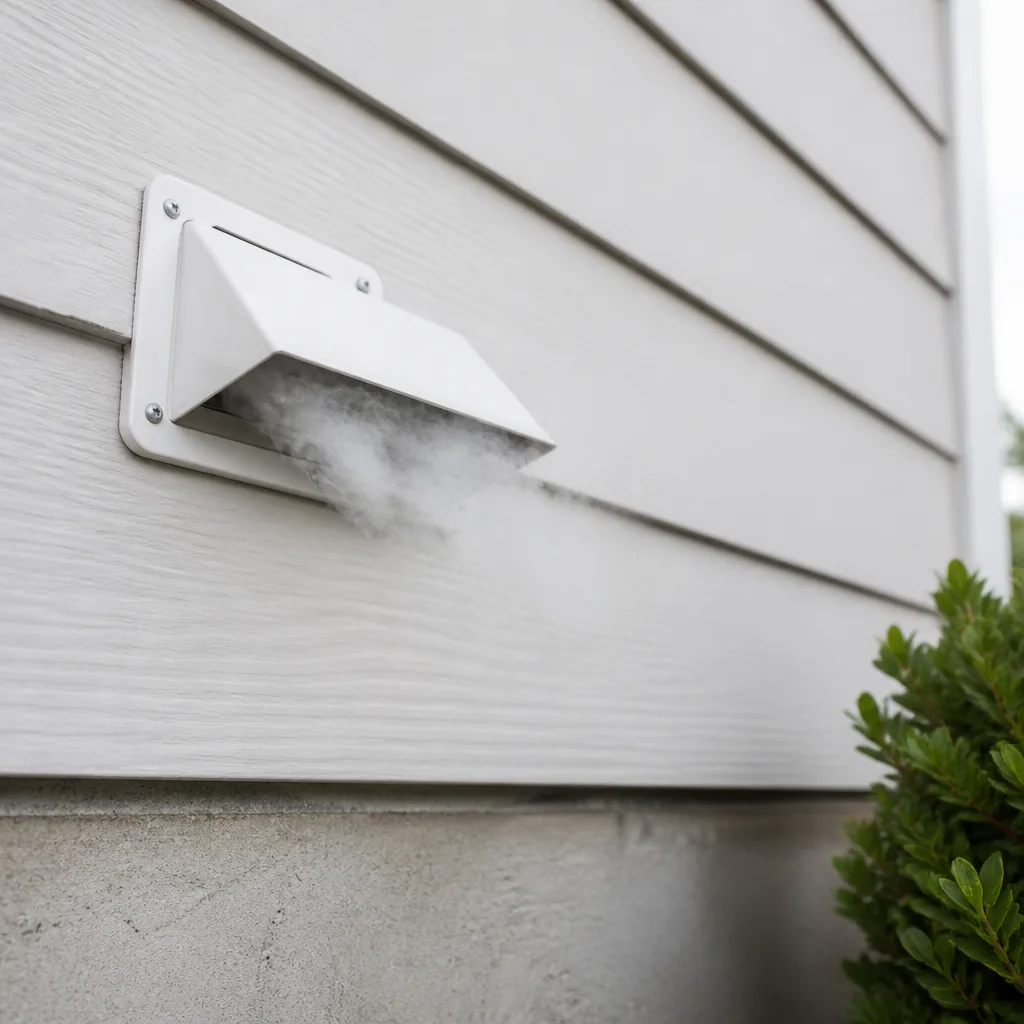
 Dryer vent cleaning
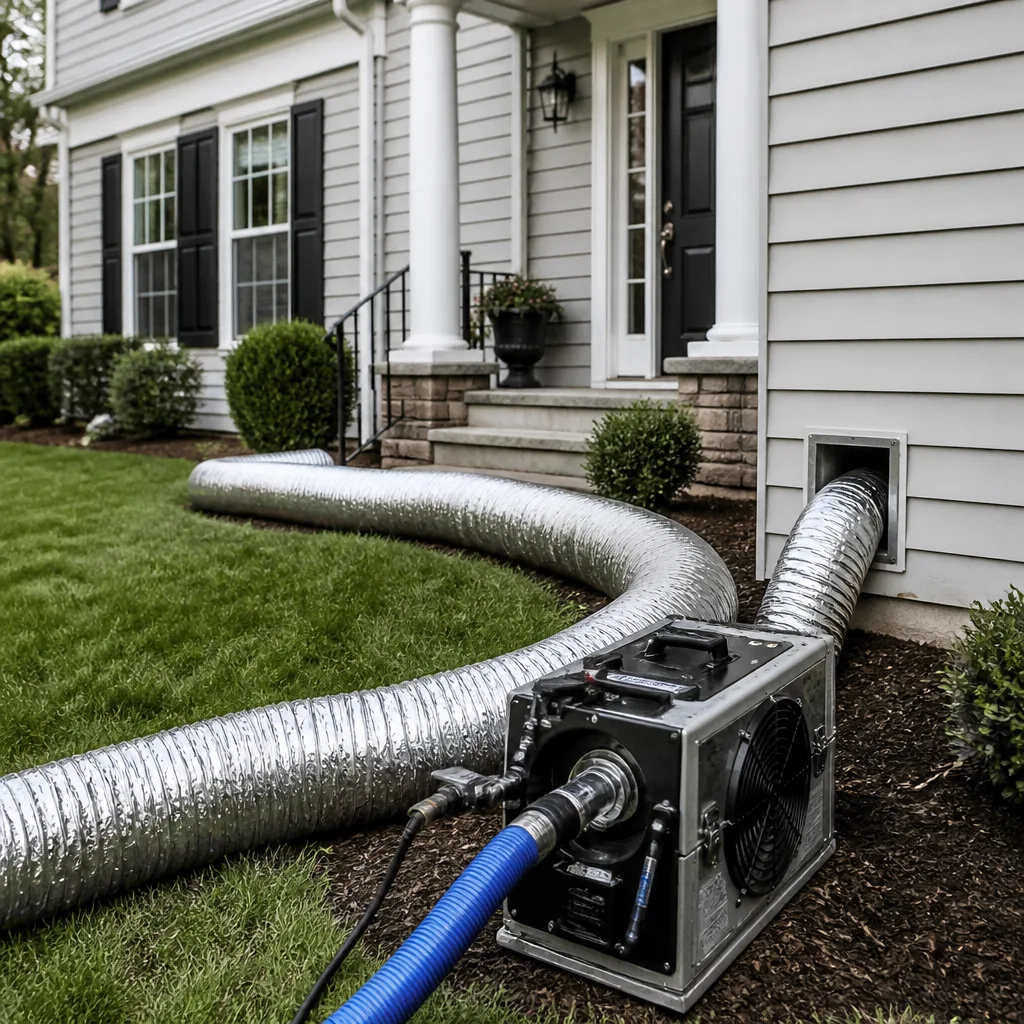 Whole-home duct cleaning
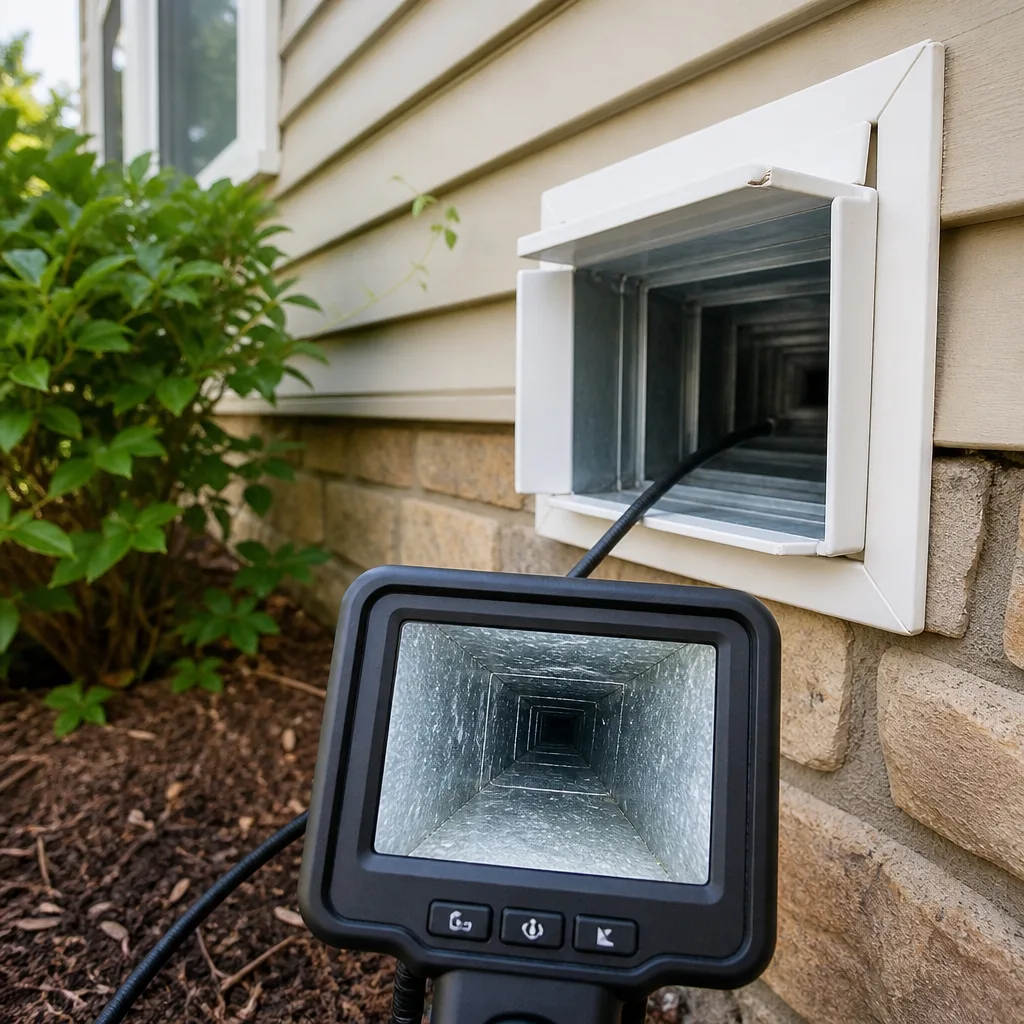 Camera inspection
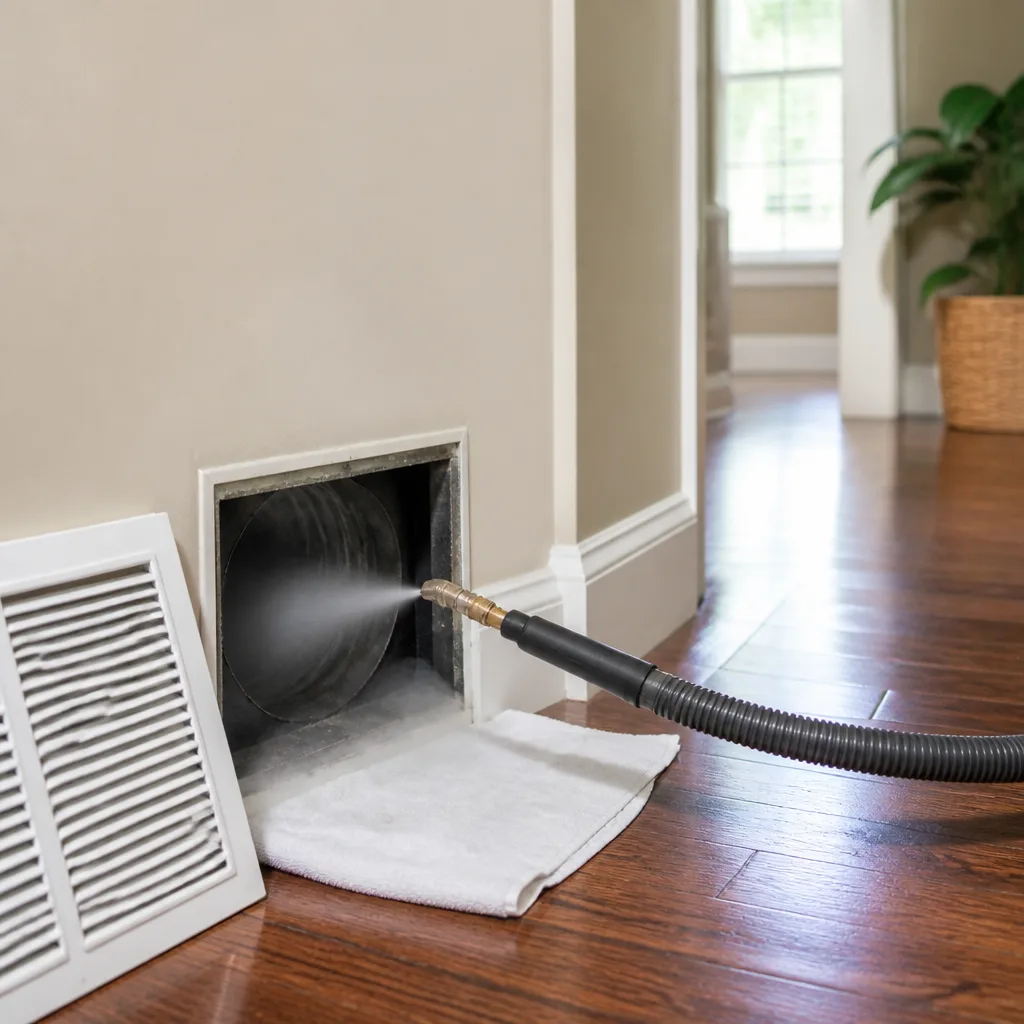 Sanitizing & deodorizing
Whole-system duct and dryer vent check with before-and-after photos - you see exactly what came out of your vents
That "$99 whole-house special" is a bait ad - the real number appears once they are in your hallway, or the "clean" is a shop-vac at the register. We photograph the inside of your ducts before and after instead.
Styles & brands we work with
- Whole-home duct cleaning
- Dryer vent cleaning
- Camera inspection
- Sanitizing & deodorizing
See the difference
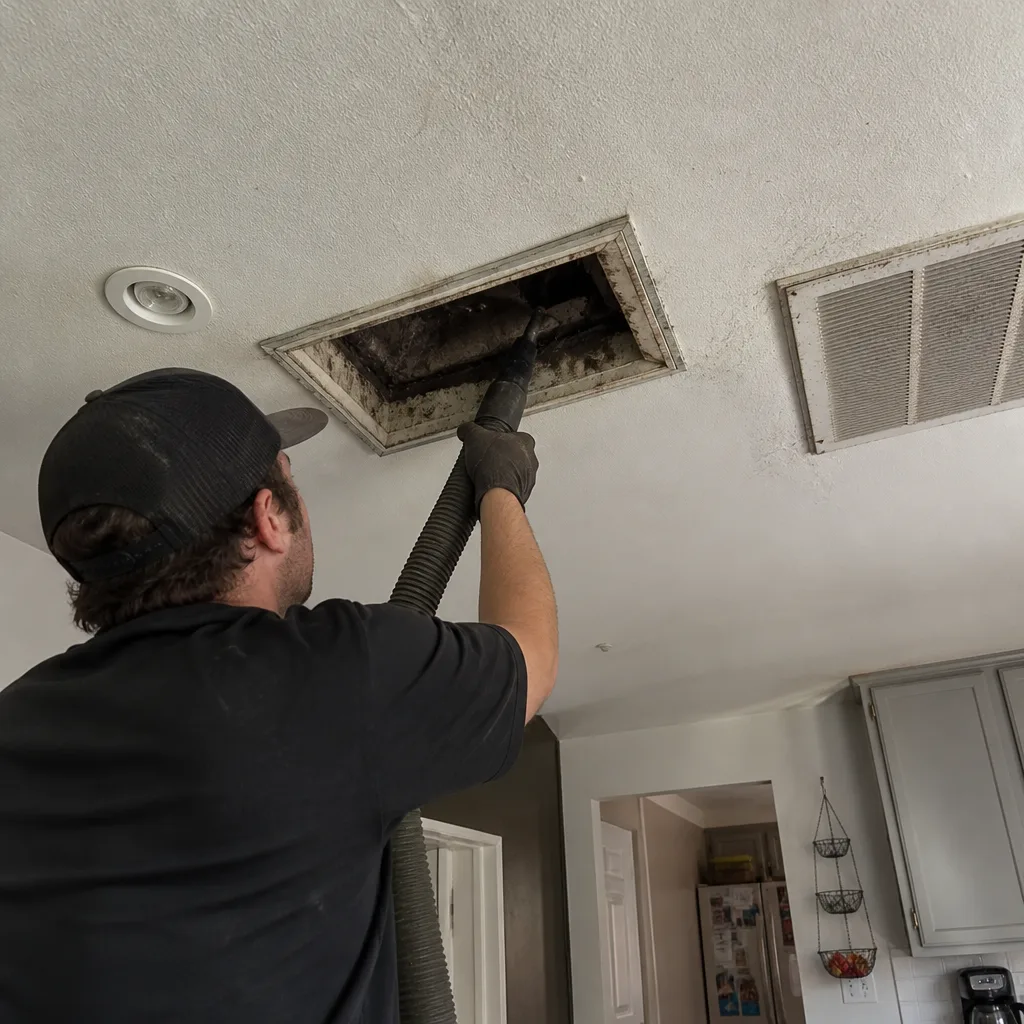 Before
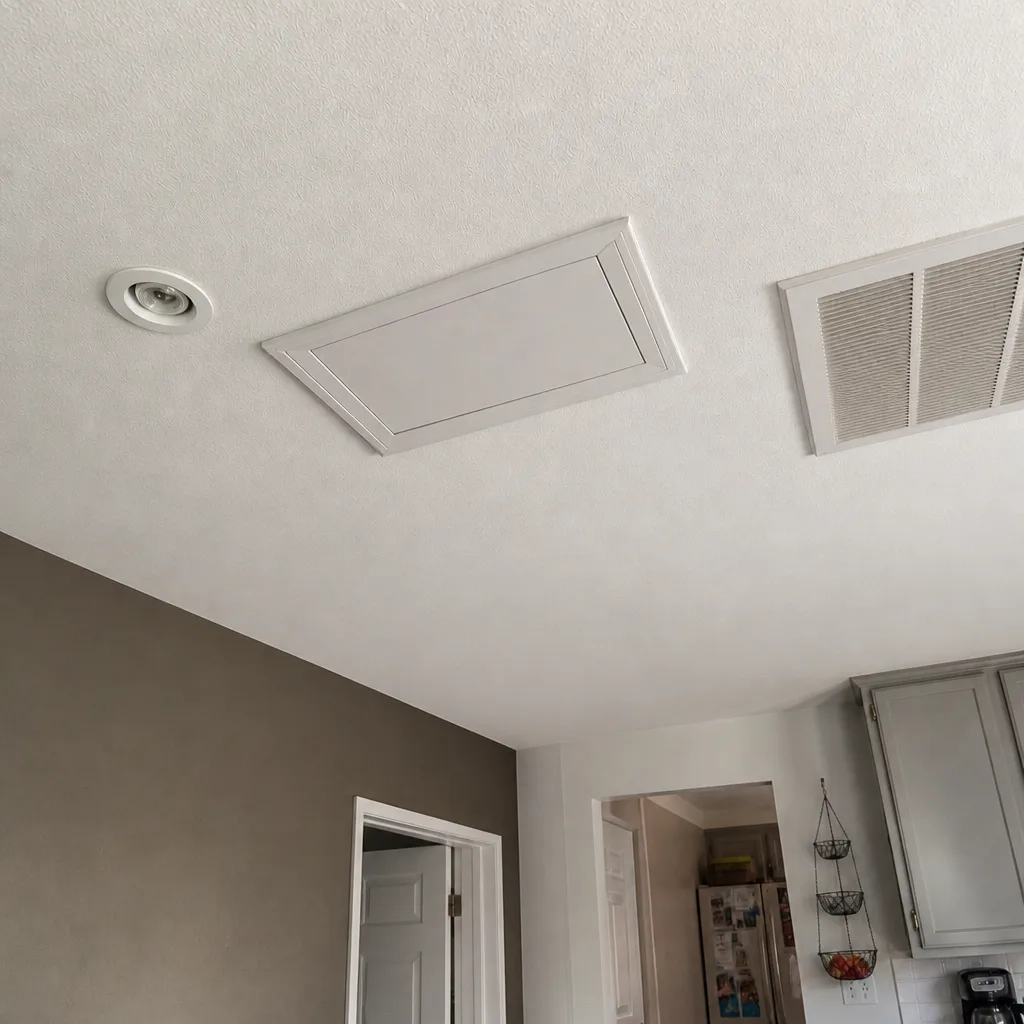 After
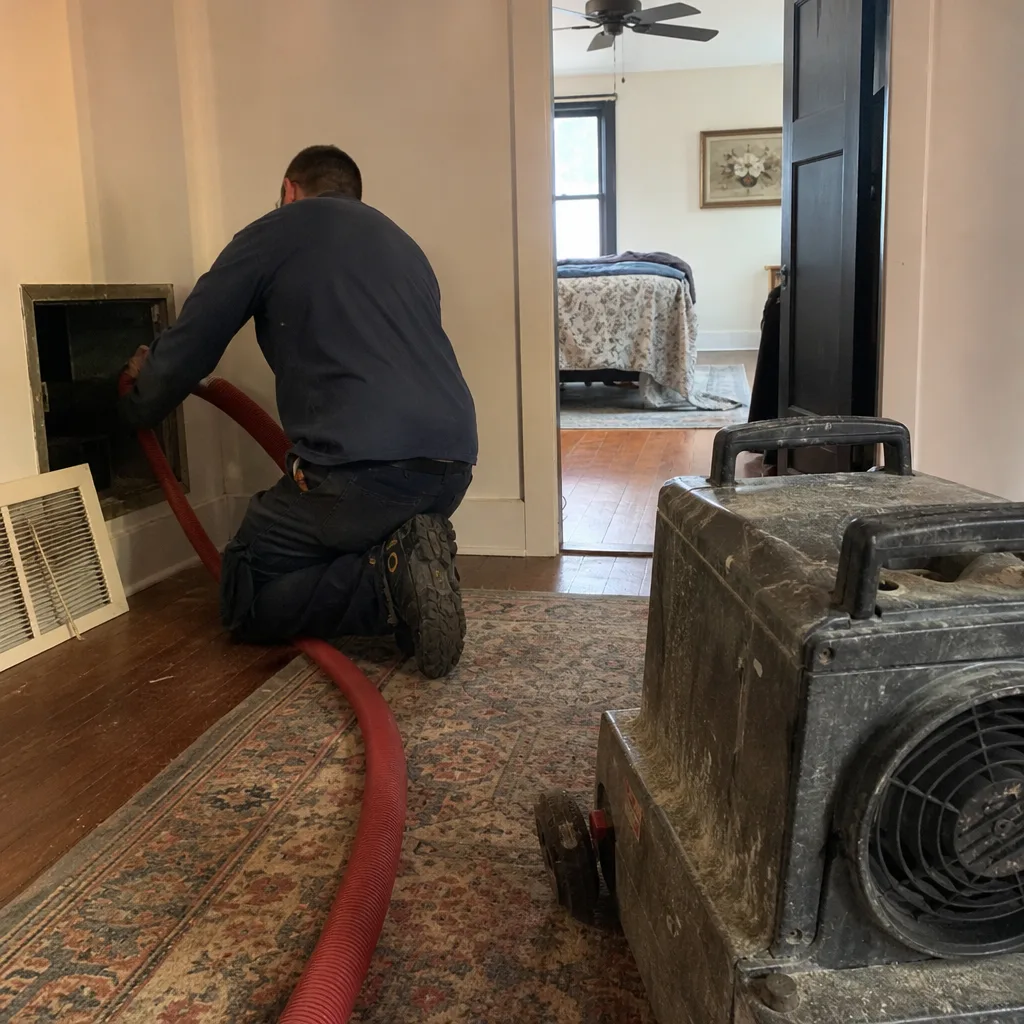 Before
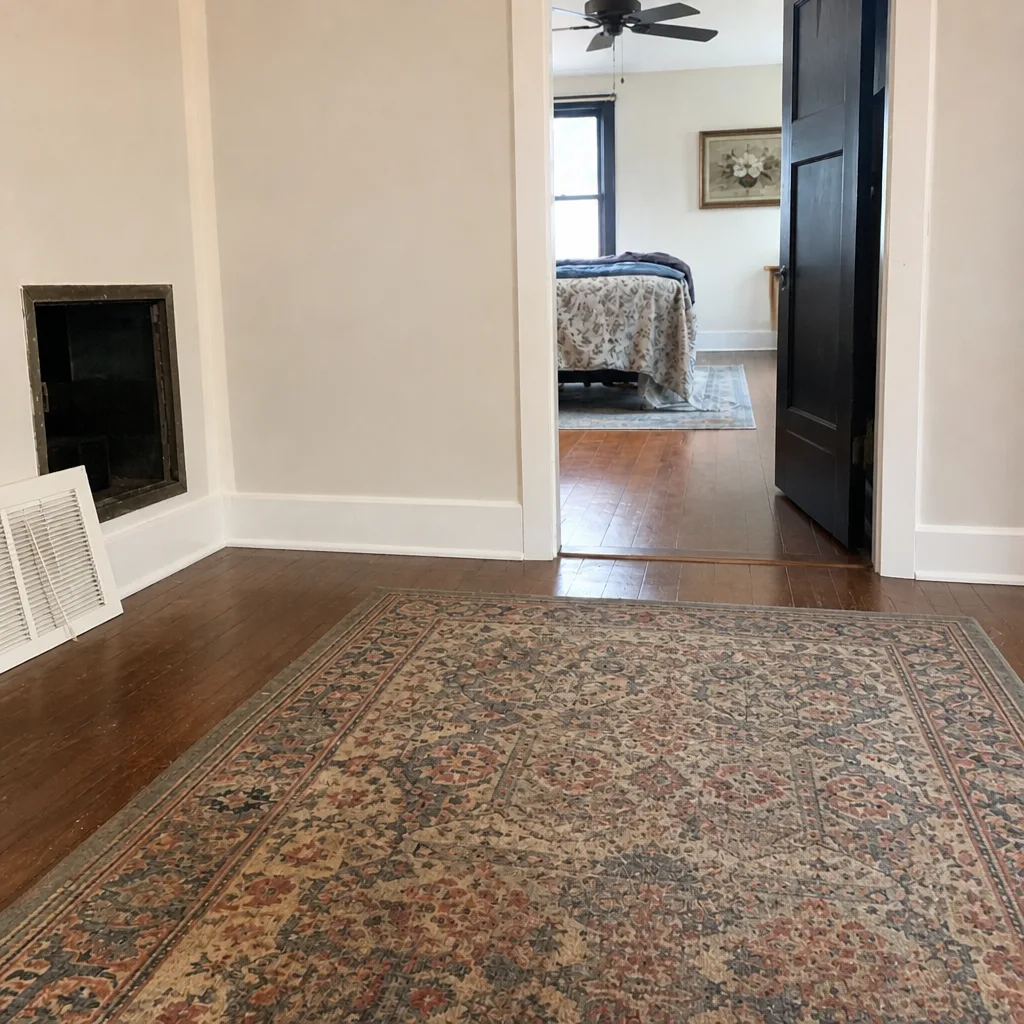 After
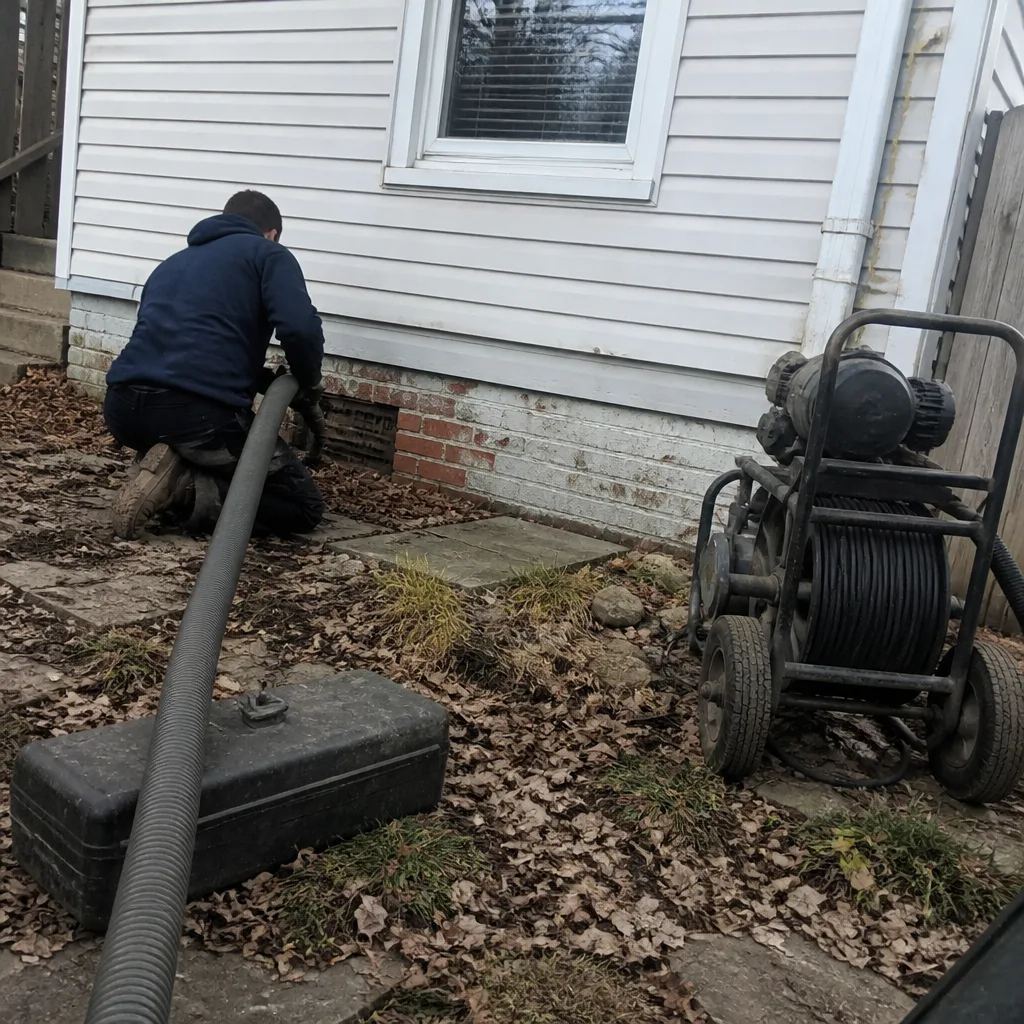 Before
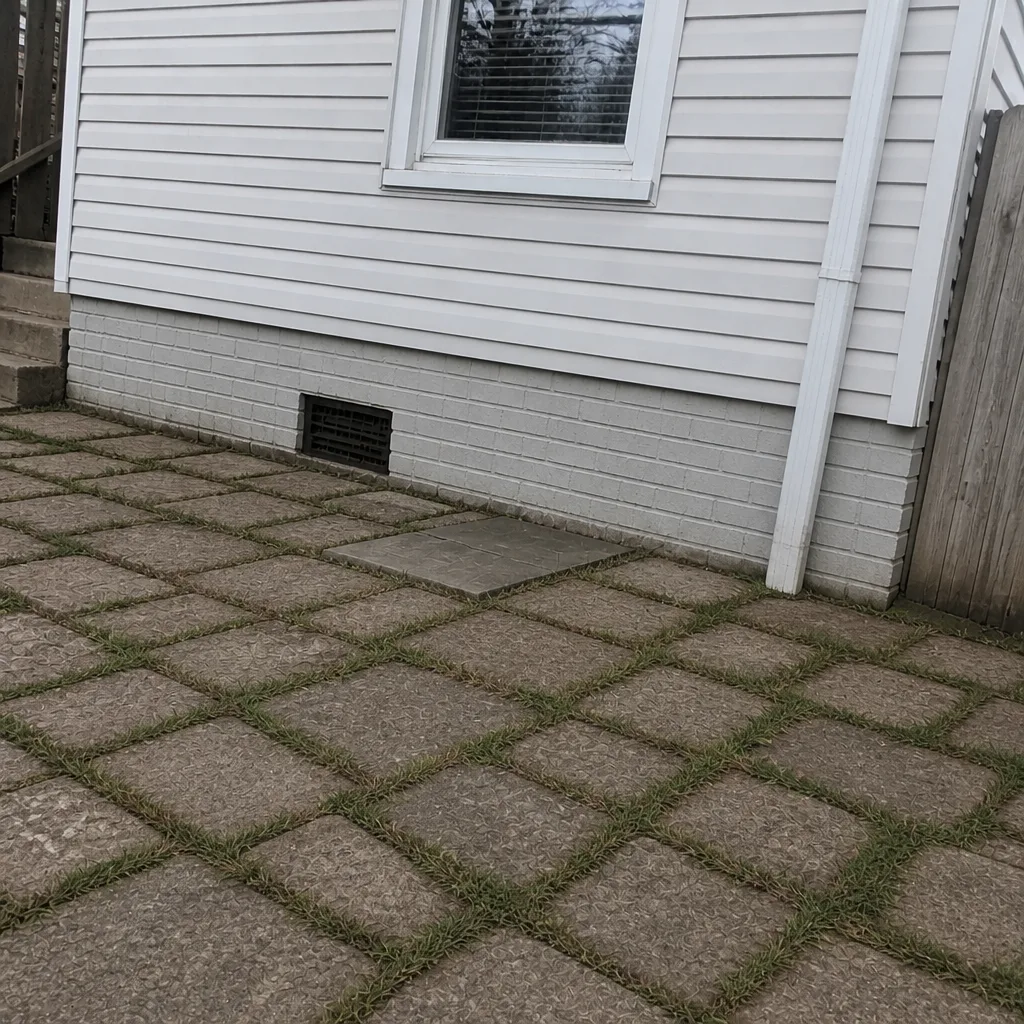 After
How Much Does Dryer Vent Cleaning Cost in East Nashville?
Dryer vent cleaning in East Nashville typically costs $120 to $225 for a standard single-story home with an accessible vent run, and $225 to $350 when the duct is long, partially clogged with hardened lint, or routed through a two-story wall or roof. Most jobs land closer to the middle of those ranges, and the written estimate you get before we start is what sets the final price. We give free estimates, so you’ll know the number before any equipment comes off the truck.
A clogged dryer vent is one of the most common causes of residential house fires, and it’s also the reason your dryer takes two cycles to finish a load. Cleaning the vent addresses both at once. Call (877) 417-5183 and we’ll talk through your setup. We answer 24/7, with fast dispatch from 7am to 7pm, Sunday through Friday.
Key Takeaways
- Typical dryer vent cleaning in East Nashville runs $120 to $225; long or hard-to-reach runs run $225 to $350.
- Cost depends on vent length, how many elbows are in the run, roof or wall termination, and how packed the lint is.
- Free estimates, and the written quote sets the final price.
- Cleaning is a safety service first. Lint buildup is a leading cause of house fires, not just a laundry nuisance.
- Our technicians have up to 13 years of experience.
Dryer Vent Cleaning Cost Breakdown (2026)
Here’s how the numbers break down by job type and setup. These are typical East Nashville ranges, not exact quotes for your home. The written estimate is what counts.
| Service or Scenario | Typical Cost Range |
|---|---|
| Standard dryer vent cleaning (single-story, short run) | $120-$175 |
| Long duct run (over about 15 feet, multiple elbows) | $175-$250 |
| Roof-terminated vent or second-story laundry | $225-$350 |
| Heavily packed lint (dryer taking multiple cycles) | $200-$300 |
| Vent with a bird or rodent nest | $180-$300 |
| Flexible foil or vinyl duct replacement (per run) | $150-$275 |
| Vent screen or termination cap replacement | $40-$90 |
| Camera inspection of a hidden or buried run | $75-$150 |
What pushes a job toward the top of those ranges: a vent that exits through the roof instead of a wall, a laundry room that’s on the second floor, a run with several elbows that catch lint at every turn, and a dryer that’s been running slow for months without anyone cleaning it. Short, straight, wall-exit vents in a one-story East Nashville bungalow sit at the bottom. If your run is buried behind drywall or runs through a finished ceiling, a camera inspection tells us whether it’s even reachable before we quote the cleaning.
What does not change the price: how the work is scheduled. Same-day jobs are quoted the same way as any other. The price is set per job by the written estimate.
What Affects Dryer Vent Cleaning Pricing in East Nashville
- Vent length and route. A short run straight out the back wall is quick work. A duct that winds through a crawlspace or climbs through a two-story wall takes longer, and the equipment has to work harder to agitate lint packed against the sides.
- Termination point. Many East Nashville homes vent through the roof. Roof terminations require ladder access and careful containment so lint doesn’t blow free onto the shingles. That’s more setup, which shows up in the price.
- Lint density and buildup. If your dryer finishes a load in one cycle, the lint is likely still loose. If it takes two or three cycles and the clothes come out warm but damp, the lint has compacted against the duct walls. Compaction means more mechanical agitation, which means more labor.
- Duct material. Rigid metal duct cleans well and lasts. Flexible foil or vinyl duct collects lint on its ridges and can trap it at each fold. If we find crushed flexible duct, we’ll tell you what replacement costs before doing it.
- Age of the home and any recent renovation. Older homes in the East Nashville neighborhoods around Lockeland Springs, Historic Edgefield, and Eastwood sometimes have vent runs that were modified or rerouted over the years, and the visible portion doesn’t tell you what’s happening behind the wall. Renovation dust and insulation fibers also get drawn into dryer vents during and after construction work.
- Bird and rodent activity. Nests in the vent or at the termination cap are common in this region. Removing a nest is more involved than removing lint, and the cap usually needs to be replaced so it doesn’t happen again.
One more factor worth naming: what else is in your home’s ductwork. If the dryer vent has never been cleaned and the HVAC ducts haven’t either, doing both in one visit usually costs less than scheduling them separately. That’s a conversation worth having when we’re on site. See our air duct cleaning East Nashville page for what that involves.
Why East Nashville Dryer Vents Fill Up the Way They Do
The climate here is warm and humid for a good part of the year, and that matters for dryer vents. Damp lint is tacky lint. It sticks to the inside of a duct instead of blowing through, and once a layer builds up, the next load’s lint has something to grab onto. East Nashville homes that run the dryer several times a week in summer can build a meaningful lint layer faster than the same household would somewhere dry.
Add to that the housing stock. The bungalows and cottages around Eastwood, Maxwell, and Inglewood were built in an era when dryer vent runs were often short and vented to the side of the house, and many have been updated since with longer routes and different terminations. A vent that was originally 6 feet might now run 18 feet to reach a roof cap. Longer runs trap more lint and need attention more often.
The other local pattern: transplant households that moved here from drier places and assume the vent needs cleaning about as often as they’re used to. Our experience is that in this climate, once-a-year cleaning is a reasonable cadence for a household running the dryer several times a week, and it’s worth checking more often if anyone in the house notices delayed drying. If your dryer suddenly needs two cycles, the vent is the first place to look.
How to Save on Dryer Vent Cleaning
The biggest savings come from getting the vent cleaned before the lint compacts. Loose lint is a straightforward cleaning. Compacted lint is more labor. Catching the problem when drying times first stretch out keeps you in the lower range instead of the upper.
- Watch your drying times. If loads that used to finish in 45 minutes now run 70 or 80, the vent is telling you something. That’s a lower-cost cleaning than waiting another six months.
- Check the outdoor termination. If your vent exits at a wall, look at the flap with the dryer running. It should open freely. If it’s stuck or the screen is packed, that’s a cheap fix even before cleaning.
- Keep the run short when you can. If you’re renovating or replacing a dryer, a short, straight run to a wall cap costs less to clean and works better.
- Skip the extra screening. Screens at the vent cap block lint and create a clog point. A flap or louver is easier to keep clear.
- Combine with other ductwork. If your HVAC ducts have never been cleaned, doing both in one visit usually comes in below the cost of two appointments.
- Get a free estimate up front. Every job we quote starts with a free written estimate so the number doesn’t move when the tech finds something. Call dryer vent cleaning to schedule and tell us about the setup.
We also handle duct repair and sealing in the same visit if the cleaning reveals a gap, a disconnected joint, or a crushed run. Cleaning a vent that’s leaking air at a joint doesn’t solve the problem. Sealing it does.
What Dryer Vent Cleaning Actually Involves
Cleaning a dryer vent isn’t just running a brush through the duct. The work starts with finding out where the vent runs, confirming it’s connected from the dryer to the outside termination, and checking for lint that’s packed against the ducts or trapped at elbows. Then we agitate the lint loose with mechanical brushes, pull it out with HEPA-rated vacuum equipment, and contain the dust so it doesn’t land on your laundry room floor.
Our tools are purpose-built for duct cleaning, not modified shop vacuums. We use Rotobrush rotary-brush equipment for mechanical agitation and Nikro professional HEPA-rated vacuums for contained debris extraction. Abatement Technologies negative-air and filtration devices keep the work area under negative pressure while the job is in progress so contaminants stay where we can collect them.
What you get out of that process: a dryer that dries in one cycle again, a lower fire risk, and a written record of what we removed. It’s also the moment when we can tell you whether the vent runs need repair. Flexible foil duct crushed behind the unit, duct tape that’s dried and falling off, joints that pulled apart behind the wall, terminations that don’t close properly. Most dryer vent cleaners don’t handle that work. We do, and we’ll tell you what it costs before doing it.
How Often Should East Nashville Homeowners Clean a Dryer Vent?
Once a year is a reasonable baseline for most households that run a dryer several times a week, and more often if any of these apply:
- You have a large household with frequent laundry loads.
- Your vent run is long or has several elbows.
- The vent terminates through the roof or on a second-story wall.
- You’ve recently done a renovation and there’s construction dust in the house.
- You’ve noticed longer drying times, hotter clothes, or a warming laundry room.
- You’ve had birds or rodents nest in the vent before.
- Your vent is flexible foil or vinyl duct instead of rigid metal.
If the dryer itself is running hot or the vent cap doesn’t open when the dryer runs, don’t wait for an annual cleaning. That’s a safety issue, and it’s worth a call.
Safety: Why This Is Not a DIY Job You Should Guess At
Dryer vent cleaning itself is mostly safe work, but the parts around it are not something to take on without the right tools. Getting up on a roof to clear a termination cap is steep-roof and height work, and it’s where most homeowner injuries in this category happen. Reaching behind a dryer to remove a crushed flexible duct can involve disconnecting a gas line if you have a gas dryer, and that’s a job for a licensed technician. Electrical work inside a dryer cabinet is the same story. A trained professional handles it safely.
The safety angle that matters after any cleaning: the vent has to run the full way from dryer to outside. If a cleaning stops short of the termination because the access is tricky, the risk stays where it was. That’s why we inspect the full run, sometimes with a camera, before calling the job done.
FAQs – Dryer Vent Cleaning Cost
How much does dryer vent cleaning cost in East Nashville?
Expect $120 to $225 for a standard single-story vent run and $225 to $350 for a roof-terminated or highly clogged run. The written estimate before we start sets the final price. Call (877) 417-5183 to get yours.
Is it cheaper to clean a dryer vent or repair the ductwork?
Cleaning is almost always cheaper, usually between $120 and $225. Duct repair runs higher, but it’s the right call if the vent has crushed flexible duct, pulled-apart joints, or a blocked termination that cleaning can’t fix. A camera inspection at $75 to $150 tells you which one you need.
Why is my dryer taking two cycles to dry a load?
Restricted airflow is the most common cause, and it’s usually lint buildup in the vent adding $175 to $300 in extra energy costs per year before you factor in the fire risk. If the vent cap opens cleanly and the duct is clear, the dryer itself needs a look. Call (877) 417-5183 for a diagnostic visit.
My vent goes through the roof. Does that cost more to clean?
Yes, roof-terminated vents usually run $225 to $350 because they require roof access and careful containment at the shingles. That’s standard for a lot of East Nashville homes. We confirm the route before quoting, so the price you get includes that access work.
Can you come today?
Same-day service is often available, with fast dispatch from 7am to 7pm, Sunday through Friday. There’s no extra charge for same-day work. Call (877) 417-5183 and we’ll book the earliest opening.
Is dryer vent cleaning covered by homeowner’s insurance?
Not usually. Routine cleaning is a maintenance expense, not a covered event, so you’ll pay the $120 to $350 out of pocket. We can work with your insurer if a fire or water event does end up relating to ductwork, but routine service isn’t a claim.
Book a Clean Dryer Vent in East Nashville
Dryer vent cleaning removes one of the leading causes of residential house fires for a price in the low hundreds, not the thousands. A free estimate tells you where your setup lands on the range. Our technicians have up to 13 years of experience and use professional-grade equipment, not a shop vacuum. We’ll also tell you honestly when the vent needs repair rather than just a cleaning, and quote it before any work starts.
Call (877) 417-5183 for a free estimate. We answer 24/7, with fast dispatch from 7am to 7pm, Sunday through Friday. If you’d like a look at your HVAC ductwork in the same visit, we handle that too.
Pricing reflects the East Nashville market as of 2026. Air Duct Cleaning East Nashville offers free estimates – call (877) 417-5183.
Written by the team at Air Duct Cleaning East Nashville.
What Our Customers Say
"Got a text with the technician's name and photo before he arrived. Small thing, but as a woman home alone during the day I actually really appreciated it."
- Michelle Park"Fair price and thorough work. They ran about an hour and a half past the estimated finish time, so don't schedule anything tight after."
- Destiny Grant"Found a disconnected run in the crawlspace while they were in there and told me about it rather than cleaning around it."
- Brooke Ackerman