
Last updated November 23, 2026
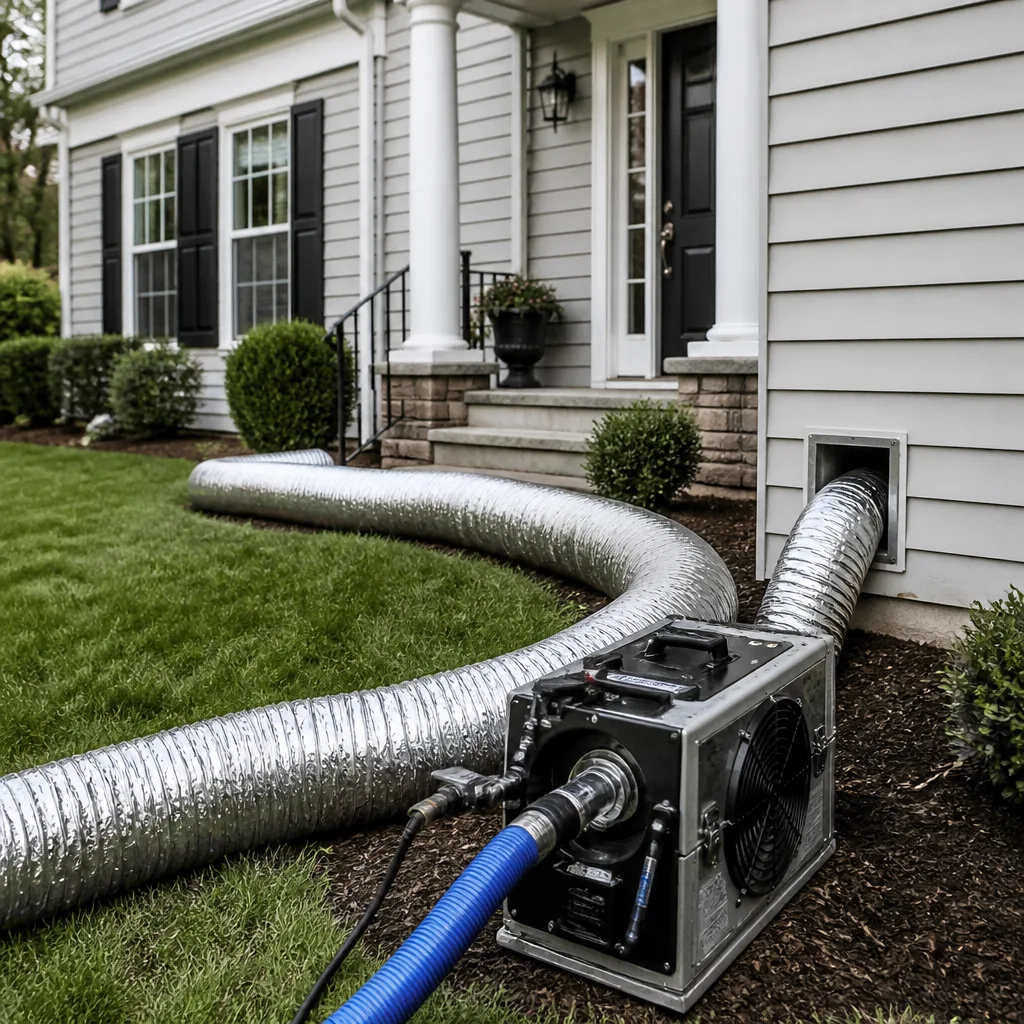 Whole-home duct cleaning
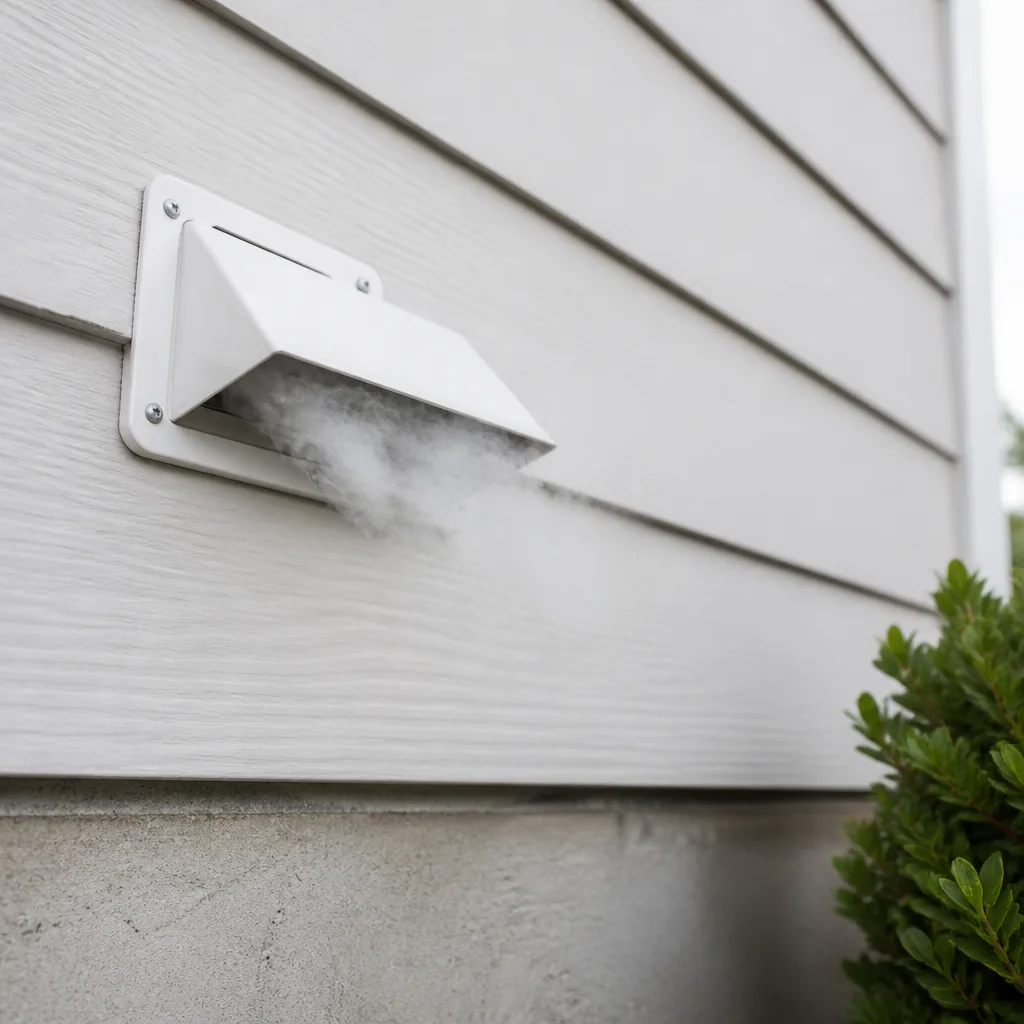 Dryer vent cleaning
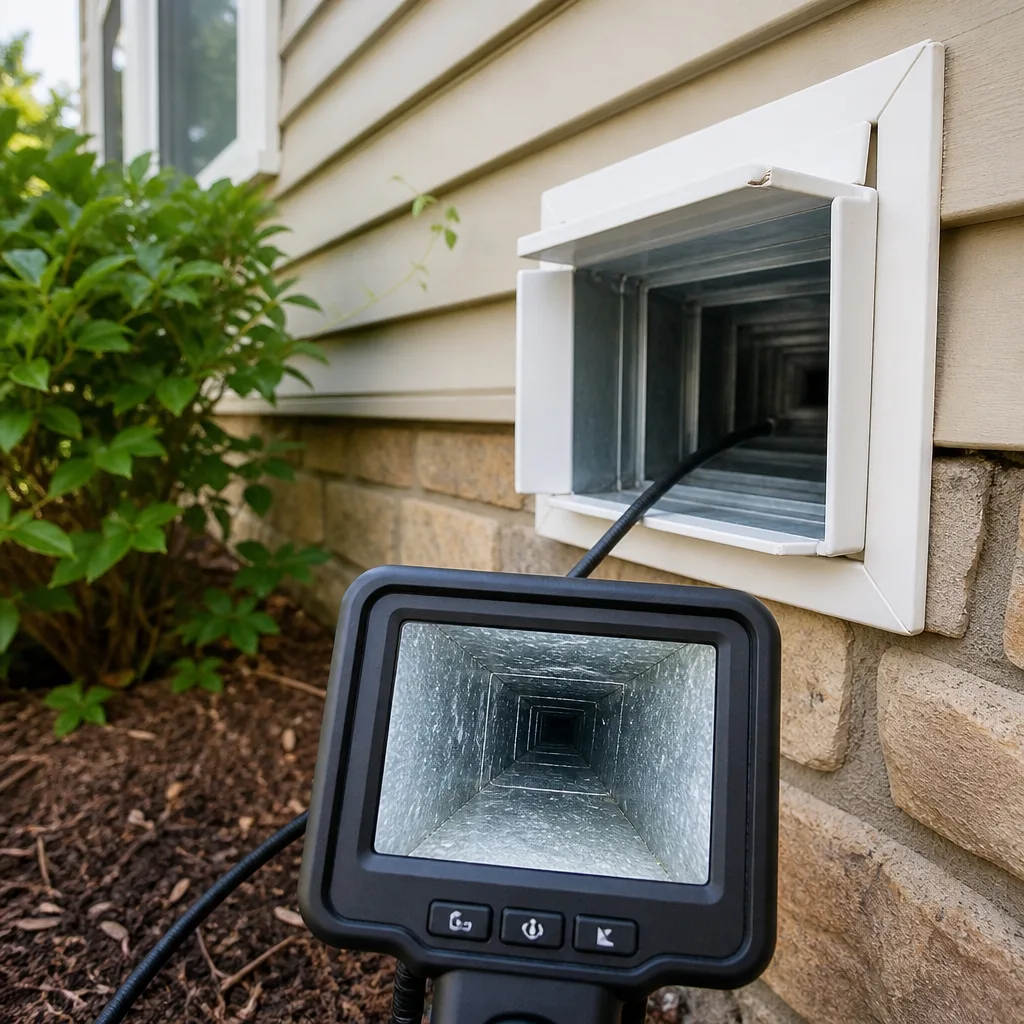 Camera inspection
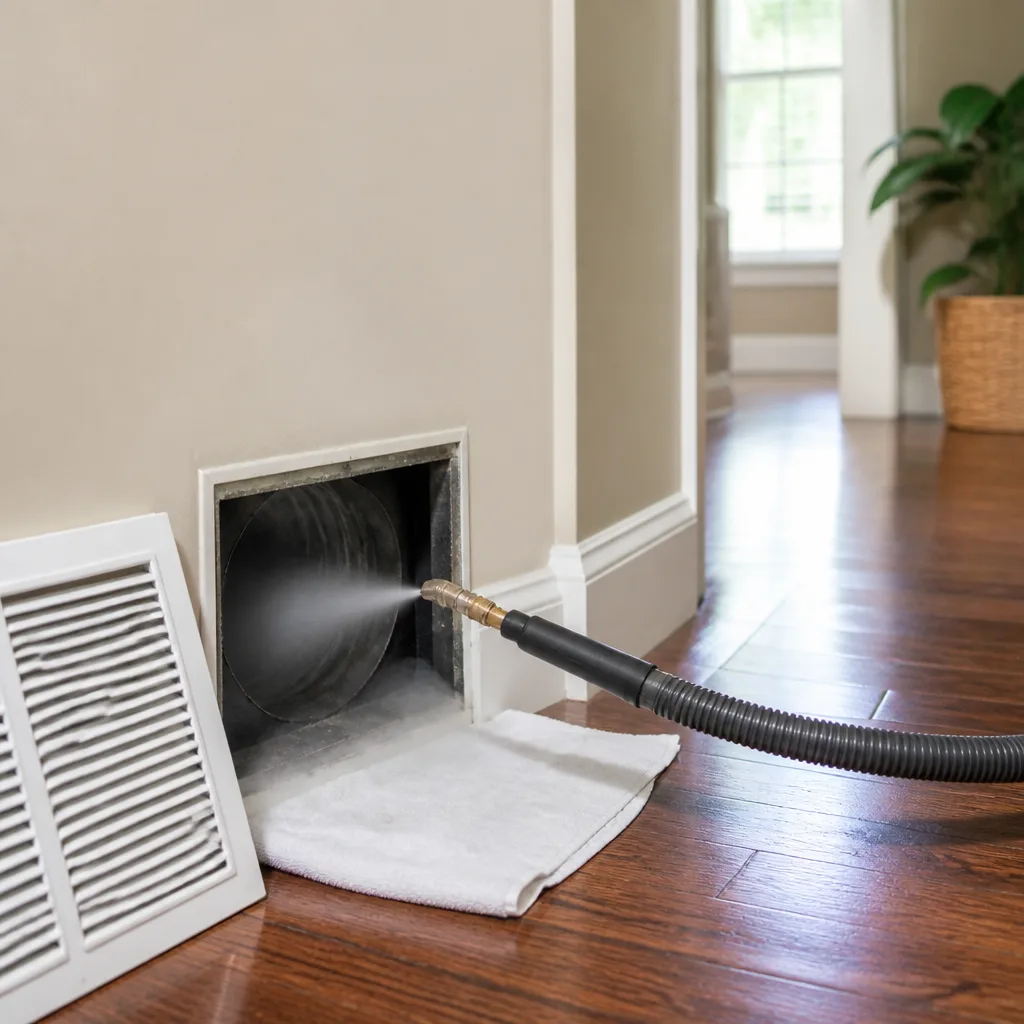 Sanitizing & deodorizing
Whole-system duct and dryer vent check with before-and-after photos - you see exactly what came out of your vents
That "$99 whole-house special" is a bait ad - the real number appears once they are in your hallway, or the "clean" is a shop-vac at the register. We photograph the inside of your ducts before and after instead.
Air Duct Cleaning Maintenance Checklist for East Nashville Homeowners
The standard advice says to change your filter every 90 days. In East Nashville’s shoulder seasons, when the system runs for twenty minutes and then sits idle for two hours and the humidity swings from damp morning to dry afternoon, that calendar interval is usually wrong in one direction or the other. Filters load by runtime and by what’s airborne, not by the wall clock. This guide is built around what actually happens to ductwork in East Nashville homes: the runtime patterns, the crawl-space runs under older bungalows, the renovation dust from a kitchen reno on a street of 1940s houses. We’ll walk through filter logic, visual inspection you can do without tools, moisture checks specific to local housing stock, and the decision points that separate a checklist item from a call to a professional.
Quick Answer
A working duct maintenance checklist for an East Nashville home covers five things: filter changes timed to actual system runtime rather than the calendar, a no-tools visual inspection of accessible joints and returns every few months, a moisture and insulation check on crawl-space duct runs, a post-renovation cleaning sequence, and a professional inspection when you see specific warning signs rather than on a fixed schedule. Most homeowners can handle the first three themselves; the last two are where professional equipment earns its place.
Styles & brands we work with
- Whole-home duct cleaning
- Dryer vent cleaning
- Camera inspection
- Sanitizing & deodorizing
Table of Contents
- Filter Intervals: Why the Calendar Lies
- The No-Tools Visual Inspection
- Crawl-Space Duct Runs in Older East Nashville Homes
- Post-Renovation: The Cleaning Sequence That Works
- Do It Yourself or Call a Pro: The Decision Criteria
- What Professional Equipment Actually Does
- Building an Annual Duct Schedule for East Nashville
- Common Mistakes to Avoid
Filter Intervals: Why the Calendar Lies
A filter interval should be set by runtime hours and airborne load, not by a 90-day default. In East Nashville, that means the correct interval in April looks nothing like the correct interval in August. Spring and fall here bring mild days when the HVAC cycles on and off unpredictably, so the filter sees less continuous airflow than the calendar suggests. Summer and the colder stretches of winter run the system hard, and the filter loads far faster than a quarterly rule accounts for.
Here’s how we think about it:
- Heavy cooling season: Check the filter monthly. In a home with pets or anyone with allergies, plan to replace it every 4 to 6 weeks rather than waiting out a quarter.
- Heating season: Same logic. Runtime drives loading, so a cold snap pushes the interval down.
- Shoulder seasons: The system runs intermittently. A filter that looks clean may have been lightly used; a filter that looks gray may be pulling more dust because of open windows during mild weather. Check it, don’t assume.
The simplest habit is to hold the filter up to a light every three to four weeks during peak season. If you can’t see light through it evenly, it’s done. That visual test beats any calendar reminder. It also matters which filter you buy: a very high-MERV filter in an older East Nashville system with undersized return ductwork can restrict airflow and strain the blower. Match the filter rating to what your system was designed to move.
The No-Tools Visual Inspection
You can learn a lot about your ductwork with a flashlight and five minutes at each supply register. You don’t need tools, and you shouldn’t take anything apart. What you’re looking for is pattern: where dust collects, where joints separate, and where discoloration suggests something other than ordinary dust.
- Shine a light into each supply register. Note whether the visible duct interior is uniformly dusty or whether dust concentrates on one side. A concentrated streak often points to a joint leak pulling air from an unconditioned space.
- Look at the register face and the surrounding drywall. Dark streaking around the edges of a register is a sign of air escaping at the boot rather than traveling through the duct.
- Check the return grilles. A return that’s visibly loaded with dust on the grille face is often drawing from a room that needs more frequent filter attention.
- Look for discoloration. Gray-black dust is normal. Greenish, white, or fuzzy patches suggest moisture and possible microbial growth – that’s a stop-and-call situation, not a wait-and-see one.
- Feel the joints you can reach. On accessible rigid duct in a basement or utility closet, run your hand along a seam. If you feel air moving, that joint is leaking.
Write down what you see, with the date. A log of observations over a year tells you far more than a single snapshot, and it gives a technician a specific starting point if you do call one. In our experience, homeowners who keep that log catch joint separation and moisture issues months before they’d otherwise notice.
Crawl-Space Duct Runs in Older East Nashville Homes
A large share of East Nashville’s older housing stock – the bungalows and cottages built from the 1920s through the 1950s – routes at least some ductwork through a crawl space. That single fact changes the maintenance checklist. A crawl-space run is exposed to ground moisture, temperature swings, and the occasional rodent or insect, and it’s usually the first place duct problems start.
What to check, ideally twice a year and always after heavy rain:
- Insulation separation: Look at the exterior wrap on flex or rigid duct. If the insulation has pulled away from the duct or is hanging loose, the run is losing conditioned air and sweating in humid weather.
- Moisture intrusion: Standing water, damp soil, or condensation dripping from the duct surface all signal a problem. Ductwork sitting in a damp crawl space is a re-contamination risk no matter how clean the interior was.
- Support and sag: Flex duct that sags between hangers restricts airflow and collects debris at the low point.
- Pest evidence: Droppings, nesting material, or chewed insulation near a duct run mean the system should be inspected before it’s run again.
If the crawl space stays damp, the fix isn’t cleaning alone. Sealing the duct and addressing the moisture source together is what keeps a cleaned system clean. That’s why duct repair and sealing belong on the same checklist as cleaning – cleaning around a known leak just means the debris comes back.
Post-Renovation: The Cleaning Sequence That Works
Construction dust is finer and more pervasive than household dust, and a renovation pushes it into every return in the house. Drywall dust in particular is alkaline and abrasive, and it settles into duct interiors where a vacuum can’t reach it. The order of operations after a renovation matters more than the effort.
- Finish the construction first, including a full clean-down. Cleaning ducts while trades are still cutting and sanding is wasted work.
- Seal off any remaining open duct ends and returns before the final clean-down of surfaces, so drywall dust doesn’t get pulled back in.
- Replace the filter with a fresh one before running the system again. The old filter has already taken the worst of the dust load.
- Run the system briefly and check the filter again. If the new filter loads quickly, there’s still debris in the return side.
- Schedule professional cleaning if the renovation involved significant drywall work, floor sanding, or demolition. Mechanical agitation and HEPA extraction are what remove settled construction dust from duct walls; a household vacuum doesn’t reach it.
- Consider sealing and, if indicated, sanitizing after cleaning, so any remaining fine dust isn’t pulled back into the living space.
If your East Nashville renovation involved moving walls or adding a return, this is also the moment to have the duct system itself looked at. We’ve seen plenty of renovations where a new return was added but the old one was never sealed off, leaving a dead run pulling dust into the system.
Do It Yourself or Call a Pro: The Decision Criteria
Most checklist items are yours to handle. A few aren’t, and knowing which is which saves money and avoids risk. Here’s the split we use.
Handle it yourself:
- Changing filters on a runtime-based schedule.
- Visual inspection of accessible registers and returns with a flashlight.
- Keeping a written log of what you see and when.
- Removing and cleaning register grilles.
- Checking crawl-space duct insulation for separation (no disassembly required).
Call a professional:
- You see visible mold or microbial growth inside a duct or on a register.
- Airflow has dropped noticeably in part of the house and a filter change didn’t fix it.
- Pest activity has reached the ductwork.
- A crawl-space run has moisture issues that cleaning alone won’t solve.
- The home has never had ductwork professionally serviced and is more than a decade old.
- A renovation produced heavy construction dust.
- Discoloration or a persistent musty smell appears at multiple registers.
The general rule: anything that requires opening, agitating, or extracting from inside the duct is a professional job. That’s where purpose-built equipment and containment matter, and it’s where a flashlight inspection stops being enough.
What Professional Equipment Actually Does
There’s a real difference between a service that agitates and extracts with purpose-built equipment and one that runs a modified shop vacuum through the registers. If you’re going to put ductwork on a maintenance checklist, it’s worth understanding what the professional step involves so you can ask the right questions.
Professional duct cleaning uses rotary-brush systems to agitate the duct walls mechanically, breaking loose the settled debris that airflow alone won’t move. HEPA-rated vacuum equipment then extracts that material while negative-air filtration devices keep it contained, so it doesn’t end up recirculating through the living space during the job. Rotobrush rotary-brush systems are the benchmark for the agitation step; Nikro HEPA equipment handles extraction; Abatement Technologies units provide the negative-air containment. A service that can’t explain its equipment can’t explain what it did inside your ducts.
The second piece is what happens after the cleaning. If the duct has a leak or a separated joint, cleaning without sealing means the system starts re-contaminating immediately. Duct repair and sealing addresses the root cause. And where microbial growth or odor is the issue, post-clean air quality and sanitizing with Honeywell or Aprilaire-compatible components addresses it at the source rather than masking it. For a full picture of how professional air duct cleaning fits together with HVAC and air quality work, it helps to see the whole service scope rather than the cleaning step alone.
Building an Annual Duct Schedule for East Nashville
A schedule is only useful if it matches the season and the house. Here’s a framework we’ve found works for East Nashville homes, adjusted for house age and system type.
- Spring (before cooling season): Fresh filter, full visual inspection of registers and returns, crawl-space moisture check after the wettest months.
- Start of cooling season: Confirm filter rating matches system design, check for airflow drops, log any changes.
- Mid-summer: Filter check every 3 to 4 weeks, register inspection if you notice musty smells or visible dust streaks.
- Fall (before heating season): Fresh filter, another visual inspection, crawl-space check, and a look at any joints you can reach.
- After any renovation: The full post-renovation sequence described above, regardless of where you are in the annual cycle.
- Every few years, or after a warning sign: Professional inspection and cleaning if indicated.
Homes that have never had ductwork serviced in the current owners’ time deserve a professional inspection early, not years from now. The same applies to homes with an older HVAC system where airflow has quietly declined. It’s also worth scheduling HVAC cleaning alongside duct work if the air handler or coil hasn’t been cleaned, since the two systems share the same airflow. And if your dryer vent has never been cleaned, that’s a separate fire-risk item worth booking in the same cycle: dryer vent cleaning addresses one of the leading causes of residential house fires, and it’s an easy item to overlook because it’s out of sight.
Common Mistakes to Avoid
- Treating 90 days as a fixed rule. Filter loading tracks runtime and airborne debris, not the calendar. In East Nashville’s shoulder seasons, checking the filter visually beats any fixed interval.
- Buying the highest-MERV filter available without checking the system. An overly restrictive filter in an older system with undersized returns can reduce airflow and strain the blower. Match the rating to the system.
- Cleaning ducts without addressing a leak. A separated joint or unsealed crawl-space run will re-contaminate a cleaned system quickly. Cleaning and sealing belong together.
- Skipping the crawl-space check. A damp crawl space under an older East Nashville home is the most common source of duct moisture and insulation failure, and it’s the part of the system nobody looks at.
- Cleaning ducts mid-renovation. Drywall dust keeps settling for days after the work ends. Cleaning before the final clean-down wastes the cleaning.
- Assuming a visual inspection covered everything. A flashlight shows you the register and the first few feet of duct. It doesn’t show you the interior walls or the crawl-space runs. Use it as a screening tool, not a diagnosis.
- Ignoring musty smells at one register. A single register that smells musty when the system starts can mean moisture is reaching that run. That’s a call-a-professional signal, not a wait-and-see one.
See the difference
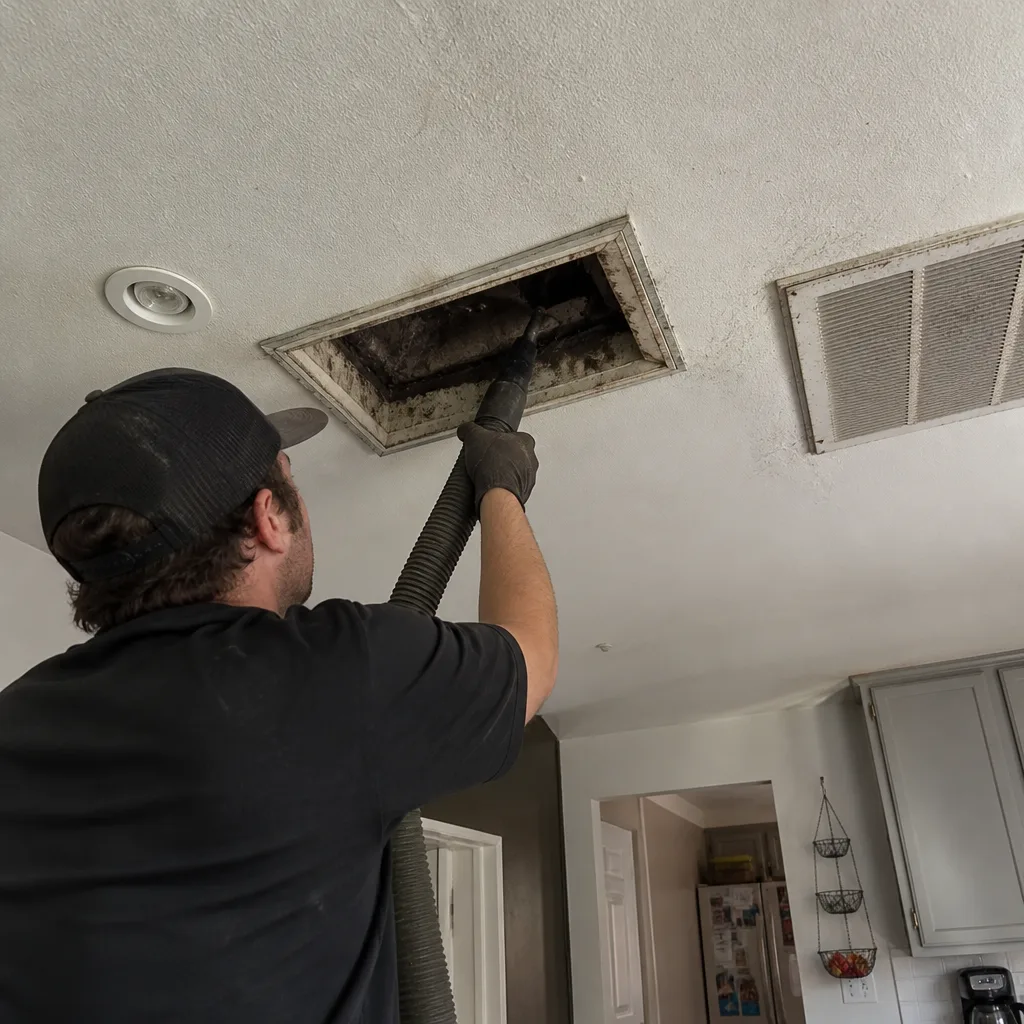 Before
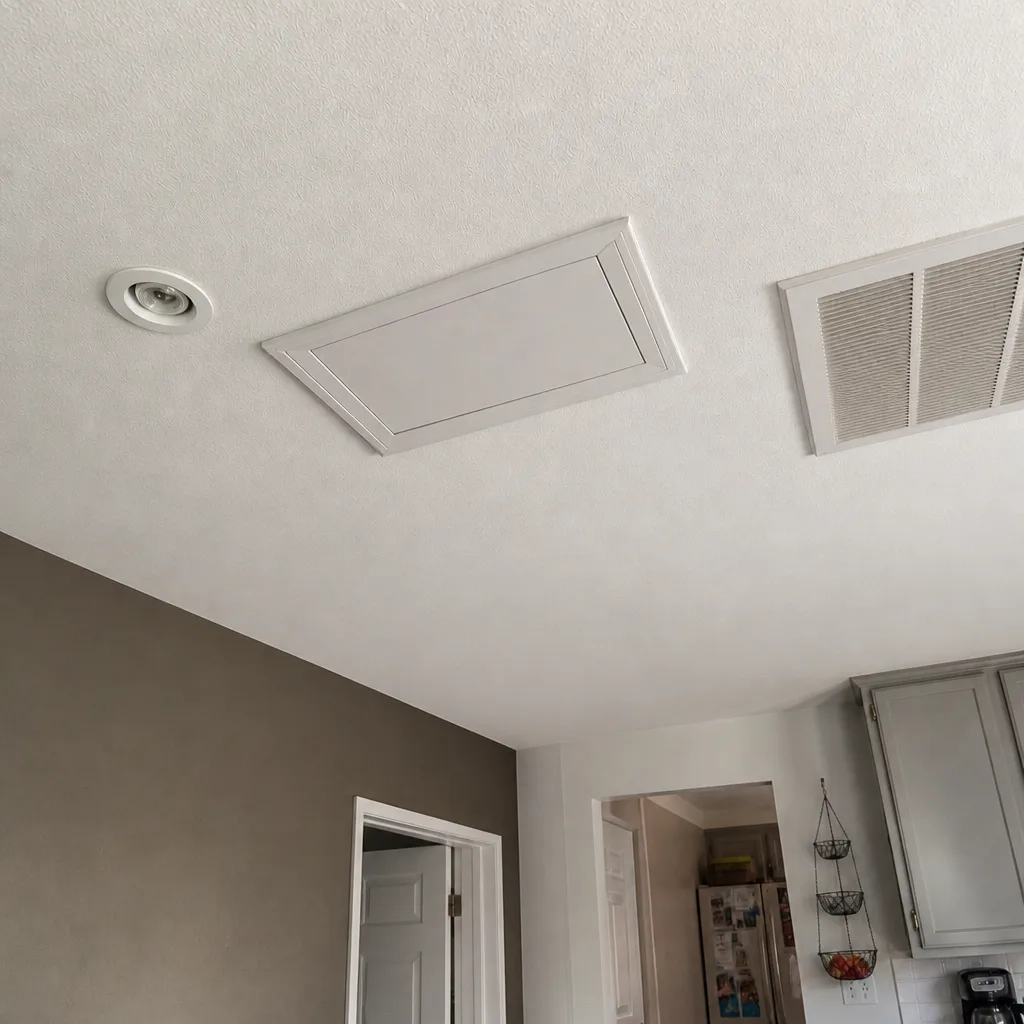 After
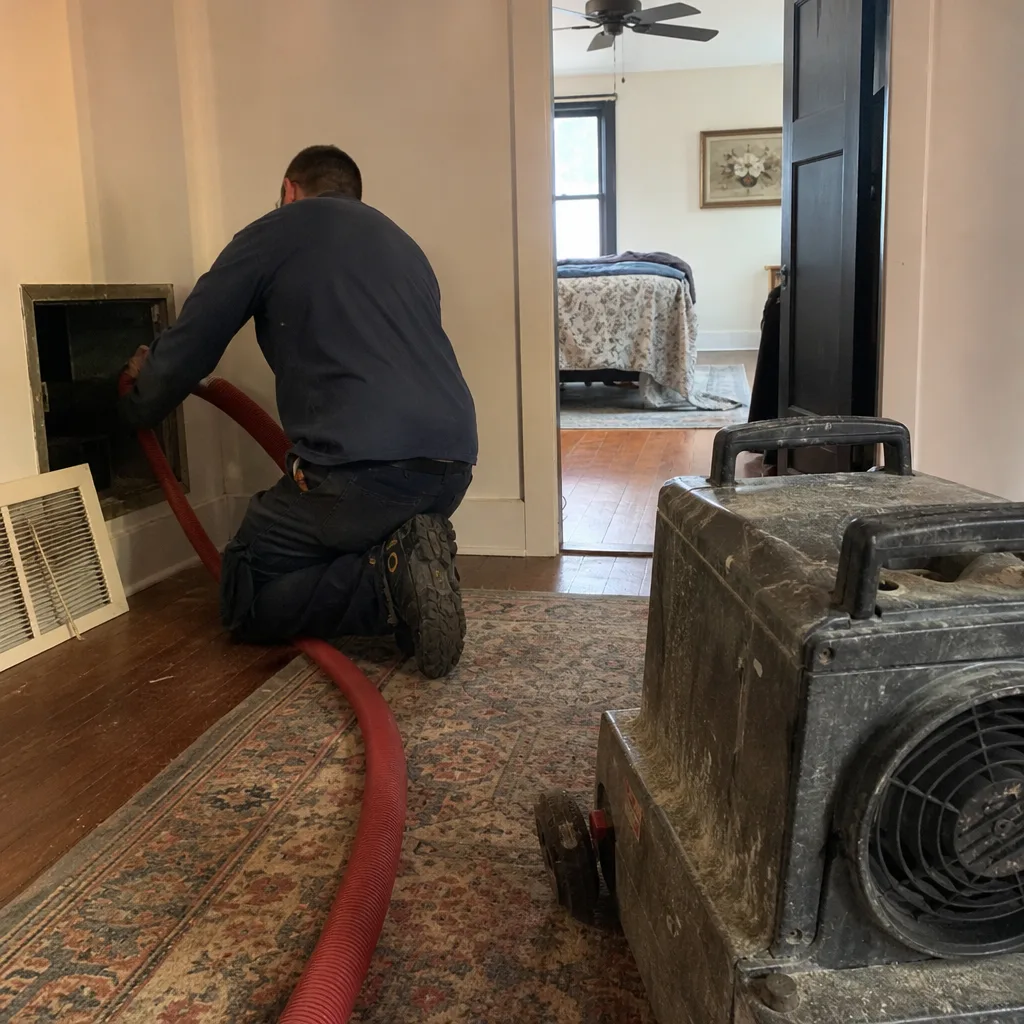 Before
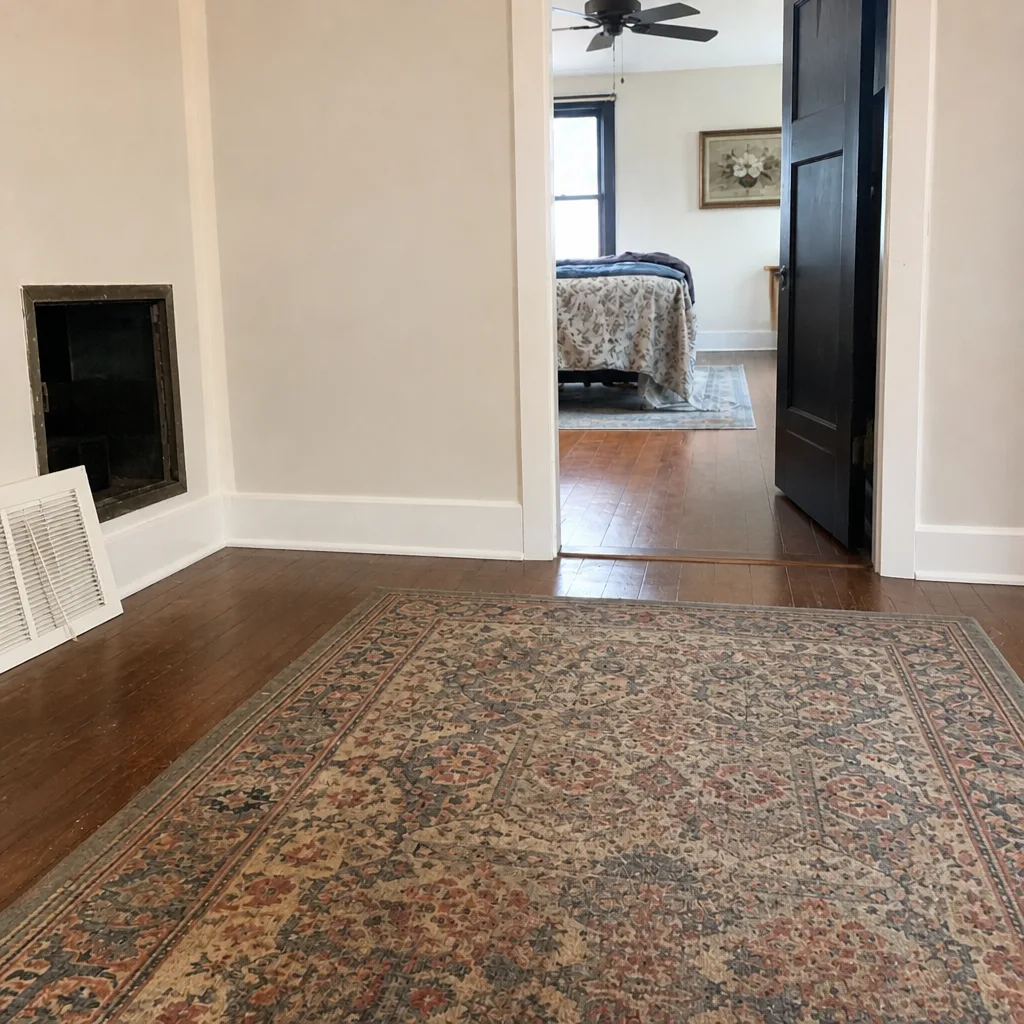 After
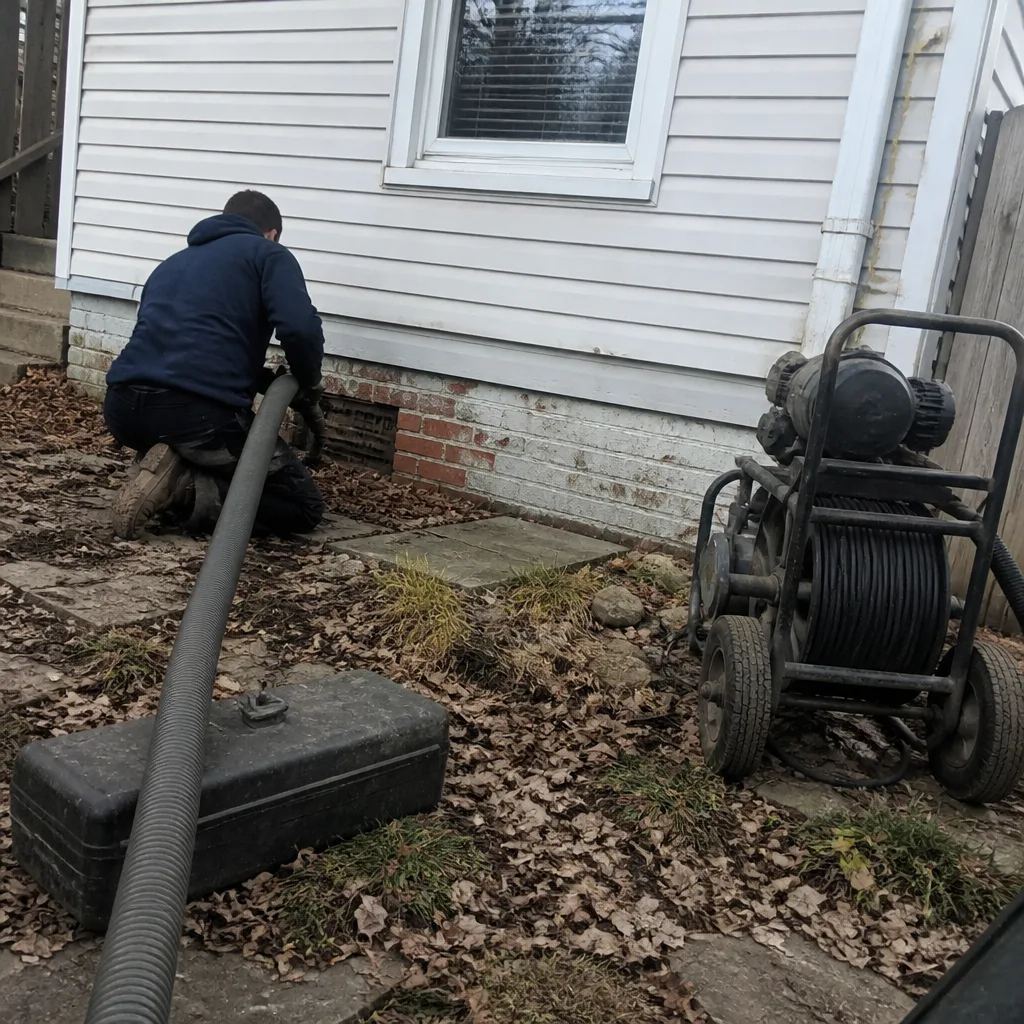 Before
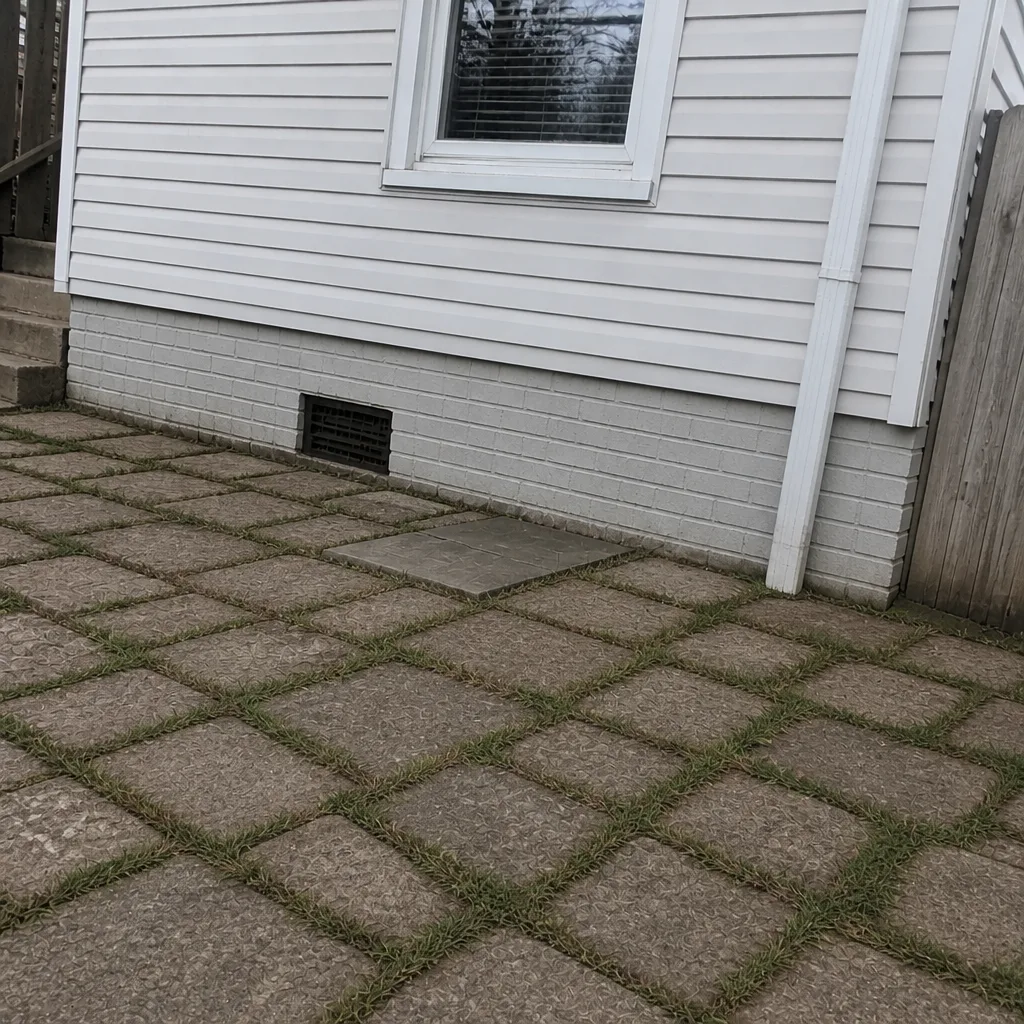 After
When to Call a Professional
Call a professional when the checklist turns up something you can’t safely or thoroughly address: visible mold or microbial growth inside a duct, pest activity in the ductwork, a crawl-space moisture problem that cleaning alone won’t fix, heavy construction dust from a renovation, airflow that dropped without a clear cause, or a home that has never had ductwork professionally serviced. Those are jobs for purpose-built agitation, HEPA extraction, and containment – not a household vacuum. If you’re unsure whether a finding crosses that line, a professional inspection answers the question before you spend money on a cleaning you may not need. Air Duct Cleaning East Nashville offers free estimates in East Nashville – call (877) 417-5183. We answer 24/7, with fast dispatch from 7am to 7pm, Sunday through Friday.
Frequently Asked Questions
Check the filter every three to four weeks during heavy cooling and heating season, and replace it when you can’t see light through it evenly – often every 4 to 6 weeks in peak season, less often in the intermittent shoulder seasons. The 90-day default is a starting point, not a rule. Call (877) 417-5183 if you want an inspection to confirm your filter and duct setup is sized correctly for your system.
Look for visible mold or microbial growth inside a duct, pest evidence, a persistent musty smell at one or more registers, or noticeable airflow loss that a filter change didn’t fix. Those are the signals that mean the checklist is done and it’s time for professional equipment. Call (877) 417-5183 for a free estimate.
Yes. A large share of East Nashville’s older housing stock – the bungalows and cottages from the 1920s through the 1950s – routes at least some ductwork through a crawl space. That’s why moisture and insulation checks belong on your annual checklist, and why a crawl-space inspection should come before any cleaning.
Finish all construction, replace the filter, check it again after a brief system run, and schedule professional cleaning if the work involved drywall, floor sanding, or demolition. Cleaning mid-renovation wastes the effort because dust keeps settling. Call (877) 417-5183 to schedule post-renovation cleaning.
No. A household vacuum can’t agitate duct walls or contain fine debris, and it can send dust back into the living space. Professional service uses rotary-brush agitation, HEPA extraction, and negative-air containment. That’s the difference between a cleaned duct and a disturbed one. Call (877) 417-5183 for a free estimate.
Cheap quotes typically skip mechanical agitation, containment, or both, and often price per vent with a low teaser figure that grows into a larger invoice on site. A flat price per system, agreed in writing before work starts, is the honest structure. Call (877) 417-5183 for a free estimate and before-and-after photos of your own ducts.
The Bottom Line
A duct maintenance checklist for an East Nashville home works when it’s built around runtime, climate, and housing stock rather than a generic calendar. Change filters on a visual schedule, inspect registers and returns with a flashlight every few months, and check crawl-space runs twice a year for moisture and insulation separation. Handle those yourself. Call a professional when you see mold, pests, a damp crawl space, post-renovation dust, or airflow that won’t recover. Clean, seal, and inspect as one system, and the ductwork will hold up far longer than a quarterly reminder can manage. For each step, work from what you actually observe in your own home.
Have a checklist finding you’re not sure about, or a system that’s never been serviced? Call (877) 417-5183 for a free estimate. We answer 24/7, with fast dispatch from 7am to 7pm, Sunday through Friday. Our technicians have up to 13 years of experience, we use Rotobrush and Nikro equipment alongside Abatement Technologies containment, and we handle cleaning, sealing, and air quality as one scope.
Written by the team at Air Duct Cleaning East Nashville.